FRP for Wet and Outdoor Service: What to Specify
Understand how resin choice, water exposure, UV finish, joints and maintenance affect the specification of outdoor FRP components.
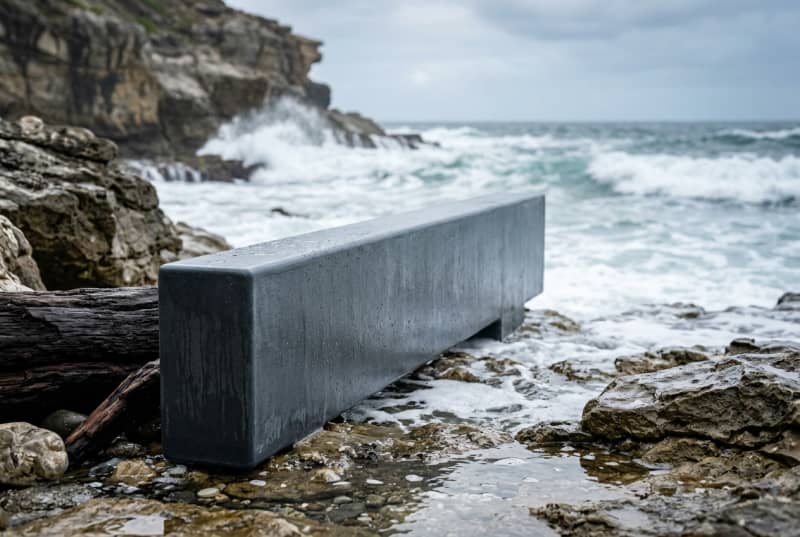
In the United States, buyers in water treatment, industrial processing, utilities, marine infrastructure, and outdoor equipment often choose fiberglass because corrosion creates real operating costs. Steel can rust, wood can rot, and some conventional plastics can weaken under heat, chemicals, or sunlight. Fiberglass, especially well-engineered FRP products, offers a practical alternative where moisture, salt air, washdown cycles, and chemical exposure are part of daily service conditions.
For decision-makers responsible for long-life assets, the value of fiberglass is not only that it resists damage today. The larger advantage is that it can help control lifecycle cost over many years by reducing coating repair, replacement frequency, structural degradation, and service interruptions. This matters in coastal regions such as Florida, Texas, Louisiana, California, New Jersey, and Washington, where marine air, storms, industrial pollutants, and humidity can accelerate material failure.
This guide explains how fiberglass products resist corrosion, moisture, and weathering in demanding environments, what product types are most common, how buyers should evaluate suppliers, and where well-designed FRP solutions can outperform traditional materials in real American operating conditions.
How Fiberglass Performs in Humid, Coastal, Chemical, and High-Exposure Environments
Fiberglass performs well in harsh environments because it does not corrode in the same way metals do. Rust is an electrochemical reaction tied to iron and steel, while fiberglass composites rely on glass reinforcement and resin systems that can be engineered for resistance to water, chemicals, and weather. This makes FRP attractive in regions where humidity stays high for long periods, such as the Gulf Coast, the Southeast, and many Mid-Atlantic states.
In coastal locations like Houston, Miami, Tampa, Norfolk, Long Beach, and Seattle, salt-laden air can aggressively attack exposed steel fasteners, housings, railings, and covers. Fiberglass structures and enclosures avoid red rust, and when the resin system is properly selected, they can also maintain appearance and structural performance longer under marine exposure. In ports, marinas, desalination support systems, and waterfront utilities, this durability supports a lower-maintenance asset strategy.
Chemical environments place different demands on materials. Wastewater treatment plants, industrial washdown areas, fertilizer handling, pulp and paper sites, food processing facilities, and chemical storage systems often expose equipment to acids, alkalis, vapors, chlorides, or cleaning agents. Here, corrosion resistance depends heavily on the resin system. Vinyl ester resins are often selected for stronger chemical resistance, while polyester options may suit less aggressive service. In highly specific environments, a corrosion liner or custom laminate schedule may be necessary.
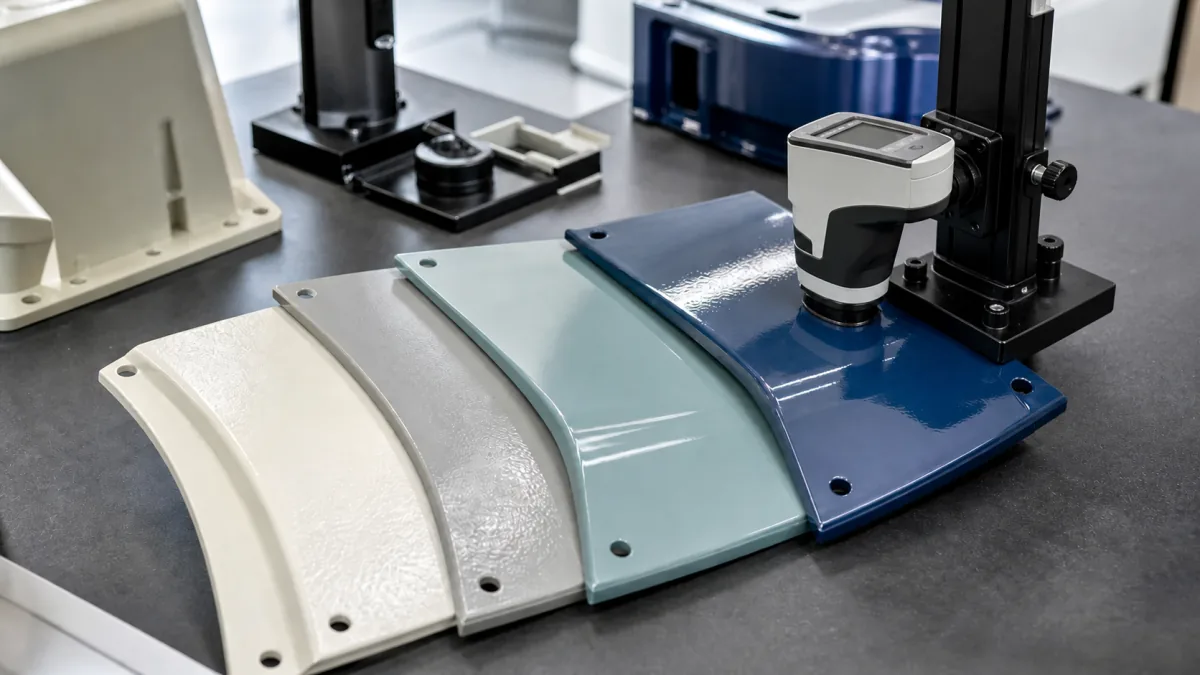
High-exposure environments also include continuous ultraviolet radiation, thermal cycling, windblown debris, standing water, and repeated opening and closing of equipment housings. Fiberglass can be manufactured with UV-resistant gel coats, protective topcoats, and reinforcement strategies that preserve mechanical performance. This is particularly important in the Southwest, where sun exposure is intense, and in coastal storm zones where driving rain and debris impact are regular risks.
One important point is that fiberglass performance is not automatic. Poor design, weak quality control, incompatible resin selection, and low-grade fabrication can result in cracking, surface degradation, or reduced service life. Buyers should therefore view fiberglass not as a commodity, but as an engineered material platform. The environmental profile must guide the final specification.
What Types of Fiberglass Products Are Commonly Used Where Rust and Rot Are Major Risks
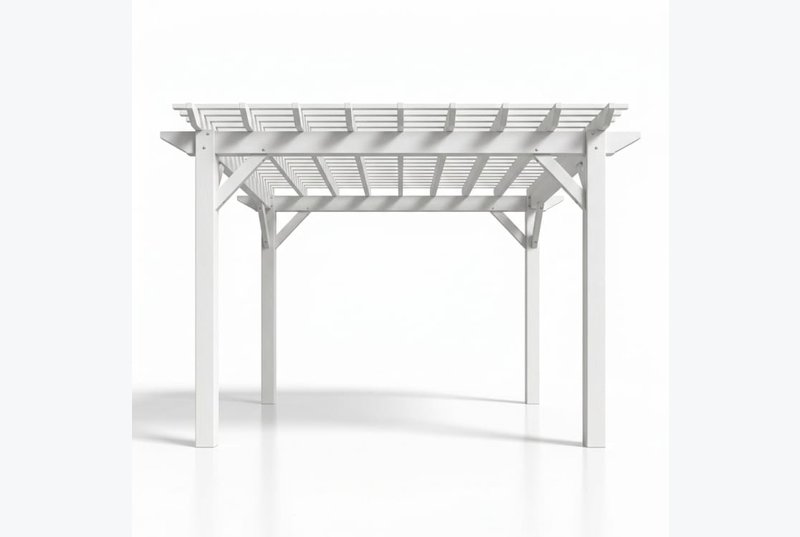
In corrosive environments, fiberglass is used in a broad range of standard and custom products. Some are structural, some are protective, and some are process-related. The common theme is that they replace materials that fail too quickly when exposed to water, salt, chemicals, or weather.
One of the most common product families is tanks and vessels. Water storage, wastewater containment, and process tanks benefit from fiberglass because the material can resist corrosion both inside and outside the structure. For municipalities, agricultural operations, and industrial plants, custom FRP tanks can offer long service life with reduced surface maintenance. Buyers exploring project-specific options often review solutions such as fiberglass water tank systems for storage applications where moisture resistance and structural stability are priorities.
Another major category is sewage and wastewater equipment. Sewage exposure introduces not only moisture but also corrosive gases and biological conditions that degrade many traditional materials. FRP is widely used for sewage tanks, wet-well covers, ducting, and access structures. In these conditions, custom FRP sewage tank solutions are often selected for their ability to handle corrosive service while limiting long-term rust and rot concerns.
Pump station enclosures are also common in municipal and utility settings. These housings protect controls, pumps, valves, and instrumentation from rain, flooding, and corrosive atmospheres. Compared with metal enclosures, FRP options often provide a better combination of weather resistance, low upkeep, and thermal stability. Many operators use FRP pump station enclosures where salt exposure, splash zones, and frequent washdowns would shorten the life of painted steel alternatives.
Other widely used fiberglass products include electrical cabinets, junction housings, trench covers, gratings, ladders, wall panels, process guards, fan stacks, ducts, roof units, and composite shelters. In agriculture, fiberglass is used in washdown-resistant housings and tank systems. In transportation and marine sectors, it appears in cabinets, covers, and structural components exposed to wet, high-salt conditions.
Custom FRP manufacturing is especially valuable when projects involve unusual dimensions, aggressive media, or integration with existing systems. Instead of forcing a standard steel or aluminum part into an unsuitable environment, custom fiberglass fabrication allows engineers to control wall thickness, reinforcement orientation, hardware interfaces, insulation allowances, opening geometry, and corrosion allowances.
Why Moisture Resistance Matters in Outdoor Equipment, Tanks, and Utility Systems
Moisture is one of the most underestimated causes of premature equipment failure. Even when direct chemical attack is minimal, repeated wetting, condensation, standing water, and humidity can degrade coatings, attack joints, and create hidden corrosion in metal systems. In the United States, this is especially relevant in wastewater networks, irrigation districts, utility yards, food processing facilities, and transit infrastructure.
Outdoor equipment has to survive much more than rainfall. It may face condensation inside housings, freeze-thaw cycling, splash from vehicles or process water, storm-driven infiltration, and prolonged exposure to coastal humidity. Once moisture enters seams or breaches a coating, corrosion can begin in steel systems and accelerate without being immediately visible. That leads to service calls, downtime, and structural repair costs.
Tanks face a dual challenge: internal and external moisture. Internally, water storage and wastewater systems are in constant contact with liquid. Externally, they face rainfall, UV exposure, and thermal cycling. Fiberglass works well here because the composite structure can be built to resist both sides of the environment, reducing dependence on sacrificial coatings or frequent repainting.
Utility systems are another critical area. Enclosures for controls, pumps, metering, telemetry, and distribution equipment often sit in remote locations where maintenance access is expensive. A moisture-resistant FRP enclosure can help reduce emergency visits and extend service intervals. That is especially useful for infrastructure around ports, stormwater systems, lift stations, treatment networks, and highway utility corridors.
Moisture resistance also supports hygiene and cleanliness. In facilities that require routine washdown, such as food plants or certain municipal installations, materials that do not absorb water and do not corrode easily are easier to maintain. This contributes to operational reliability as well as appearance and asset life.
The explanation is straightforward: when moisture exposure is continuous or cyclical, the best long-term material is usually the one that does not rely on constant surface repair to stay functional. That is one of the strongest reasons FRP remains a preferred choice for harsh outdoor service.
The demand profile reflects where moisture resistance and corrosion protection deliver the greatest economic value. Water and wastewater systems remain among the strongest markets because exposure is constant and the cost of failure is high.
How Proper Design and Manufacturing Improve Long-Term Durability in Harsh Conditions
Durability in harsh environments does not depend on fiberglass alone. It depends on the quality of engineering behind the product. Proper design starts with understanding the actual service environment: chemical concentration, exposure duration, UV intensity, temperature range, structural loading, vibration, impact risk, cleaning methods, and installation constraints.
For example, a tank used for wastewater in Jacksonville may need a different laminate schedule than a dry electrical enclosure installed near Phoenix. A coastal pump housing in Galveston may require more attention to hardware, seals, and UV protection than an indoor process cover in Ohio. The right fiberglass product is therefore one that has been designed for the job rather than simply described as “corrosion resistant.”
Technological capability is a key part of long-term performance. Advanced FRP suppliers typically support resin selection, laminate engineering, mold development, CAD integration, load-path evaluation, and environmental matching. These capabilities make it possible to tailor a product to aggressive service conditions instead of relying on generic assumptions. For U.S. buyers, that often means receiving a solution optimized for compliance requirements, installation realities, and climate exposure in the target state.
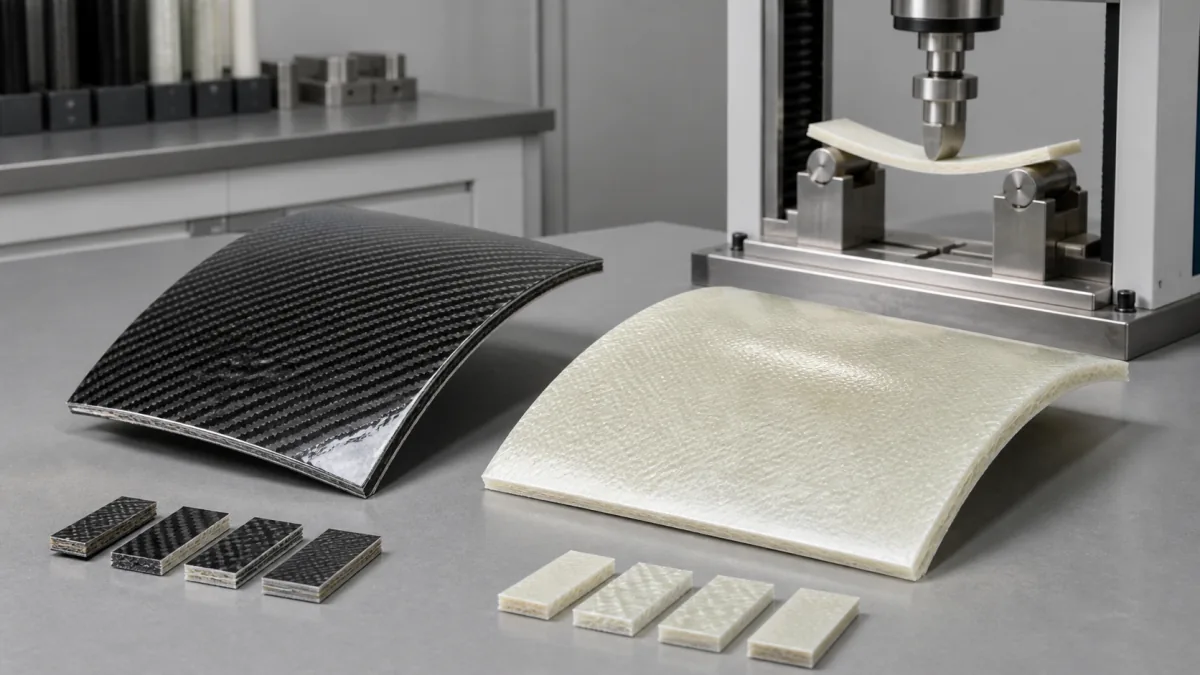
Manufacturing capability matters just as much. Consistent layup quality, controlled curing, dimensional accuracy, repeatable reinforcement placement, and proper finishing all influence durability. Weaknesses introduced during production can reduce service life even when the design concept is strong. Buyers sourcing premium fiberglass products should look for suppliers that can handle prototype development, custom tooling, batch consistency, and production scalability without sacrificing laminate integrity.
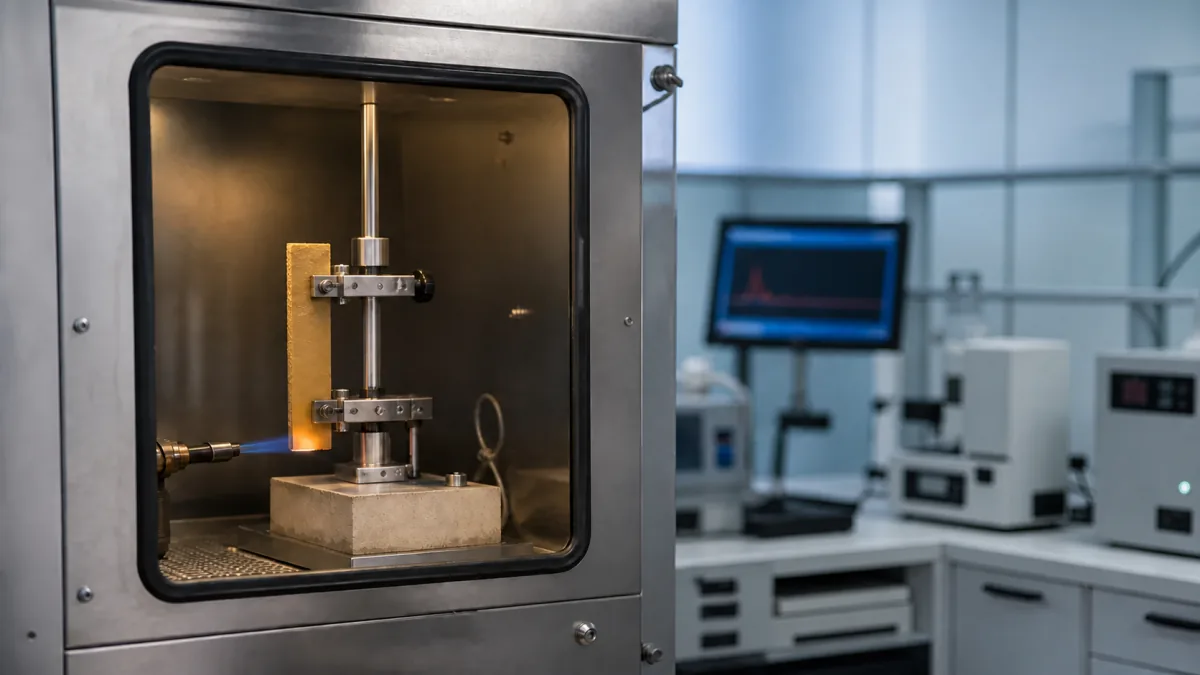
Service capability is the third pillar. Complex projects benefit when the supplier can support design consultation, specification review, sample validation, production communication, and post-delivery coordination. In demanding environments, the cost of a wrong assumption is high. Responsive technical support helps align resin system, structure, fittings, and installation details before problems reach the field.
Long-term durability also depends on detail decisions: edge sealing, drain paths, hardware isolation, rib placement, panel stiffness, access geometry, gasket compatibility, and finish systems. In weather-exposed applications, UV-resistant coatings and color-stable gel coats can reduce surface degradation. In chemical service, corrosion barriers and resin-rich inner layers may be required. In structural applications, deflection control can matter as much as nominal strength.
The table highlights an important buying principle: the most durable fiberglass products are usually the result of good engineering and disciplined manufacturing, not simply material substitution. That difference is especially visible in high-exposure applications where product failure is expensive.
This trend illustrates how owners are changing procurement logic. Rather than focusing only on upfront material price, more U.S. buyers are evaluating lifecycle performance, maintenance labor, outage risk, and environmental exposure together.
What Buyers Should Consider When Sourcing Fiberglass for Corrosive Environments
When sourcing fiberglass for corrosive environments, buyers should start with application clarity. The supplier needs to know where the product will be used, what it will contact, how often it will be exposed, and what loads it must carry. Terms like “outdoor use” or “chemical resistant” are not enough on their own. Better sourcing decisions come from specific operating data.
Buyers should define whether the exposure involves immersion, intermittent splash, vapor, salt fog, washdown, UV, abrasion, impact, or temperature cycling. A product for a municipal lift station in New Orleans may not need the same resin system as a process tank in a Midwest chemical plant, and neither should be specified the same way as an enclosure at the Port of Los Angeles.
It is also important to assess supplier fit. Not every fiberglass producer has the same technical depth. Some specialize in standard molded items, while others are better equipped for custom FRP design and production. For demanding environments, buyers often benefit from working with a manufacturer that can support concept refinement, engineering review, production planning, and consistent quality execution.
Lead time, tooling strategy, documentation, testing practices, finish options, and shipment protection should all be reviewed. For larger programs, repeatability and scale are just as important as prototype performance. A supplier that can build one strong part but cannot maintain quality over a production run may not be the right long-term partner.
How Fiberglass Can Reduce Maintenance Demands Compared with Traditional Materials
Maintenance savings are one of the strongest arguments for fiberglass in corrosive environments. Traditional materials often remain functional only if owners invest in routine coating touch-ups, rust treatment, repainting, wood sealing, or periodic replacement of corroded sections. Over time, these activities consume labor, shut down assets, and increase total ownership cost.
Fiberglass can reduce these burdens because it is not dependent on paint alone to resist corrosion. While protective finishes may still be used for UV stability or appearance, the underlying material is already suited for wet and corrosive service. This lowers the likelihood of hidden rust propagation beneath damaged coatings.
For municipalities and utilities, reduced maintenance is especially valuable because crews are often stretched across wide service areas. A corrosion-resistant enclosure or tank that requires fewer interventions can free labor for higher-priority operational tasks. In sectors such as wastewater, remote utility control, and stormwater management, this can improve overall system reliability.
Industrial owners see similar benefits. In plants where shutdown windows are expensive, replacing corroded sheet metal, supports, or housings can become a recurring maintenance issue. FRP solutions can help extend intervals between repairs, particularly when paired with sound installation and inspection practices.
That said, fiberglass does not eliminate maintenance entirely. Buyers should still inspect for mechanical damage, seal condition, hardware integrity, and wear from unusual loading or impact. The advantage is that the maintenance model often shifts from corrosion repair to routine condition monitoring, which is generally less disruptive and more predictable.
Examples of Corrosion-Resistant Fiberglass Solutions Used in Real Projects
Real-world project use helps show where fiberglass creates measurable value. In coastal municipal infrastructure, FRP enclosures are commonly specified for pump controls and lift stations because steel cabinets in salt-rich environments can require frequent coating repair. Along the Gulf Coast, operators often prioritize materials that can handle humidity, storm exposure, and salt spray with fewer maintenance visits.
In Florida and the Carolinas, developers and utilities frequently use fiberglass housings and tank systems in wastewater installations near low-lying coastal areas. These projects benefit from moisture resistance, corrosion resistance, and design flexibility where standard metal units may experience rapid degradation. Similar logic applies around the Port of Houston and industrial corridors in Louisiana, where chemical exposure and marine conditions can overlap.
In California, especially near ports such as Long Beach and Oakland, corrosion-resistant materials are important for utility and marine-adjacent applications. FRP components are often selected where exposure combines UV intensity with salt air. In the Northeast, including New Jersey and Massachusetts, freeze-thaw cycles plus coastal conditions can also make fiberglass attractive for enclosures, covers, and utility structures.
Industrial projects provide another strong example. Process facilities often use custom FRP tanks, ducts, and covers where acids, cleaning chemicals, or corrosive vapors would rapidly attack carbon steel. When correctly engineered, fiberglass can provide a stable, non-rusting solution that simplifies maintenance planning and improves plant uptime.
In agricultural applications across California’s Central Valley, Texas, and parts of the Midwest, fiberglass tanks and equipment housings are used where irrigation, fertilizers, washdown conditions, and sunlight create a demanding mix of exposure factors. The same principle applies in remote utility applications, where every avoided service visit helps reduce operating cost.
These examples are representative rather than identical to every project, but they show how fiberglass products are applied across U.S. infrastructure and industrial markets when corrosion and moisture control are central priorities.
Final Advice for Selecting Fiberglass Products for Demanding Environments
The best fiberglass product for a demanding environment is the one that has been specified with real operating conditions in mind. Buyers should begin by defining the exposure profile clearly: water contact, salt air, chemical media, UV intensity, thermal cycling, mechanical load, and maintenance access. This information shapes the correct resin, laminate, finish, and configuration.
Next, buyers should evaluate whether the supplier offers the right mix of technological, manufacturing, and service capability. A strong partner can help translate concept requirements into a durable FRP product, whether the project involves tanks, enclosures, structural components, or specialized process equipment. Custom engineering is particularly valuable where standard products do not fully address local climate, chemical exposure, or dimensional constraints.
For U.S. sourcing, it is wise to think beyond initial purchase price. Consider lifecycle cost, repainting needs, replacement frequency, downtime risk, and labor availability. In many harsh-service applications, fiberglass proves competitive because it reduces the hidden costs that conventional materials accumulate over time.
If your application involves corrosive, wet, coastal, or high-exposure service, fiberglass deserves serious consideration not as a generic substitute, but as a performance-driven material system. With thoughtful design, controlled manufacturing, and responsive project support, custom FRP solutions can provide dependable long-term value in some of the most challenging operating environments in the United States.
FAQ
What makes fiberglass resistant to corrosion?
Fiberglass resists corrosion because it does not oxidize like steel. Its performance comes from glass reinforcement combined with resins selected for moisture, chemical, and weather resistance.
Is fiberglass always better than stainless steel?
Not always. The right choice depends on load, temperature, chemical exposure, and budget. In many wet or corrosive outdoor applications, fiberglass offers lower maintenance and better resistance to rust.
Can fiberglass handle coastal environments in the United States?
Yes, when properly designed. Coastal applications should consider salt spray, UV exposure, hardware compatibility, and wind loading.
What industries use corrosion-resistant FRP most often?
Water and wastewater, chemical processing, utilities, marine infrastructure, agriculture, and outdoor equipment sectors are among the most common users.
What should buyers ask a fiberglass supplier?
Ask about resin selection, structural design basis, UV protection, manufacturing consistency, quality control, customization options, and experience with similar harsh-service applications.