Why Fiberglass Has Become a Versatile Material for Both Industrial and Commercial Applications
Explore common fiberglass applications in the United States, from enclosures and facades to medical and transit uses, with buyer guidance and 2026 trends.
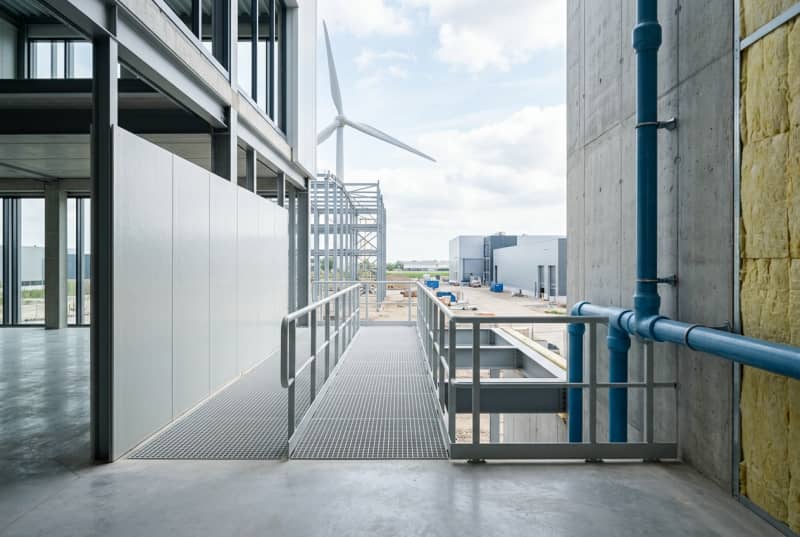
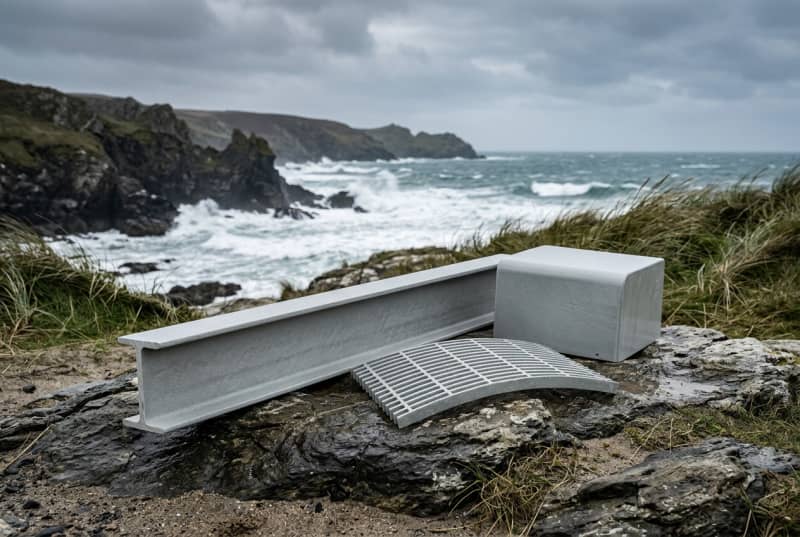
Fiberglass has become a practical material choice across the United States because it solves several problems at once: corrosion, weight, maintenance, design flexibility, electrical insulation, and long service life. In modern industry and construction, buyers often need components that perform reliably in outdoor weather, washdown environments, chemical exposure, coastal humidity, and high-traffic public settings. Fiberglass-reinforced plastic, often shortened to FRP, answers those needs by combining structural strength with lower weight than many metal alternatives and better corrosion resistance than untreated steel or wood.
In the U.S. market, fiberglass products are now widely used in manufacturing plants around Houston, water infrastructure projects near Chicago, transit systems in New York, healthcare equipment programs in Minneapolis, and architectural exterior packages in fast-growing Sun Belt cities such as Dallas, Phoenix, and Tampa. Its popularity is not limited to one sector. Instead, fiberglass appears wherever owners, engineers, and specifiers need a durable custom part that can be shaped to fit exact project requirements. That broad use is why many buyers now evaluate fiberglass not as a niche composite, but as a mainstream option for industrial and commercial components.
For project teams comparing materials, the key question is not whether fiberglass can be used, but where it delivers the best value over the full life cycle. That value often comes from fewer replacements, easier installation, reduced corrosion-related shutdowns, and greater design freedom. For companies seeking custom FRP solutions in the United States, the strongest suppliers are those that can move from concept to production with engineering support, dependable fabrication, and consistent quality across repeat orders.
This guide explains where fiberglass products are commonly used, how different product categories fit different project goals, and what buyers can learn from real-world applications across U.S. industries.
Common Uses of Fiberglass in Equipment Covers, Utility Enclosures, and Process Systems
One of the most established uses of fiberglass is in protective equipment covers and industrial enclosures. In facilities where moisture, chemicals, UV exposure, or electrical sensitivity are constant concerns, fiberglass offers a stable and low-maintenance solution. Utility providers, OEMs, municipalities, and process-system builders use FRP for covers, housings, cabinets, and shielding panels because the material can be molded into precise forms while resisting rust and many corrosive environments.
Across wastewater plants in California, food processing operations in the Midwest, and petrochemical sites along the Gulf Coast, fiberglass equipment covers help protect pumps, valves, analyzers, and instrumentation from weather and contamination. The same material is often used for utility access housings, process skids, blower covers, fan shrouds, and custom shells around sensitive electronics. A major advantage is that the enclosure can be tailored for louvers, access doors, insulation layers, lifting points, embedded hardware, and cable penetrations without forcing the buyer into a one-size-fits-all metal box.
For control infrastructure, custom fiberglass cabinets are especially common where electrical insulation and corrosion resistance matter. Buyers evaluating outdoor controls can review solutions such as fiberglass control cabinet enclosures, which are often selected for water treatment, utility distribution, transportation systems, and industrial automation projects.
| Application | Typical U.S. Environment | Why Fiberglass Fits | Common Design Features | Main Buyer Benefit | Typical End User |
|---|---|---|---|---|---|
| Control cabinet enclosure | Outdoor utility sites | Non-corrosive and electrically insulating | Lockable doors, cable entries, mounting panels | Lower maintenance | Utilities and municipalities |
| Pump cover | Water and wastewater plants | Resists moisture and chemicals | Access panels, ventilation, reinforced ribs | Longer equipment protection | Public works departments |
| Process housing | Chemical processing areas | Handles aggressive environments better than many metals | Gaskets, inspection ports, integral flanges | Reduced corrosion shutdowns | Process engineers |
| Generator acoustic shell | Commercial facilities | Lightweight and customizable | Sound attenuation layers, removable sections | Installation efficiency | Mechanical contractors |
| Telemetry enclosure | Remote field locations | Weather resistant with low upkeep | Seal systems, antenna openings, equipment rails | Reliable outdoor operation | Infrastructure operators |
| Valve or meter box cover | Transportation and utilities | Durable in repeated service access conditions | Handles, hinges, anti-slip textures | Safer field use | Maintenance teams |
The table shows that fiberglass covers and enclosures are not valuable only because they resist corrosion. They also support better system integration. When a cabinet, cover, or housing is designed around the equipment inside it, service access improves, field modifications decrease, and installation is faster. This is especially important in retrofit work, where dimensions and connection points are already fixed by existing infrastructure.
In process systems, fiberglass is also used for ducting, tanks, guards, scrubber components, and secondary containment elements. Plants in New Jersey, Louisiana, and Ohio often choose FRP when they need chemical resistance without the weight or fabrication complexity of stainless steel. While exact resin and reinforcement selection still matters, the wider lesson is that fiberglass works best when performance, shape control, and life-cycle cost are considered together.
How Fiberglass Is Used in Building Facades, Decorative Panels, and Architectural Features
In commercial construction, fiberglass is no longer limited to hidden utility parts. It now plays a visible role in facades, rainscreens, soffits, column covers, sunshades, screen walls, and decorative architectural forms. Architects and facade consultants value fiberglass because it can reproduce complex geometry with a repeatable surface finish while remaining lighter than precast concrete or many metal assemblies. That lower weight can reduce demands on substructures, simplify installation, and open up more expressive building forms.
In cities such as Miami, Los Angeles, Atlanta, and Seattle, fiberglass facade elements are used on airports, schools, cultural venues, mixed-use developments, and branded commercial projects. Curved forms are one of the clearest examples of its value. A metal or concrete system can become expensive and structurally demanding when radii tighten or when many unique panels are required. Fiberglass can often achieve those shapes with fewer compromises. Buyers considering this category can review options like curved fiberglass facade panels for projects requiring smooth geometry, repeatability, and weather-resistant exterior skins.
Architectural fiberglass also works well in decorative wall panels, cornices, domes, louvers, and custom cladding details. It can be finished to meet specific visual goals, including smooth painted surfaces, textured appearances, or assemblies designed to blend with stone, metal, or modern composite systems. For renovation work, it is particularly useful when owners want to recreate a historical profile or distinctive design feature without adding excessive weight to an existing structure.
| Architectural Use | Typical Project Type | Performance Need | Design Advantage | Installation Advantage | Value to Owner |
|---|---|---|---|---|---|
| Curved facade panels | Office and civic buildings | Weather durability | Complex geometry | Lighter handling | Design freedom with manageable upkeep |
| Column covers | Retail and hospitality | Impact and UV resistance | Seam reduction | Faster wrap-around installation | Cleaner finished appearance |
| Decorative screens | Parking structures and campuses | Ventilation and sun control | Custom patterns | Modular panelization | Functional aesthetics |
| Soffit components | Transit and institutional buildings | Moisture resistance | Integrated shapes | Reduced structural load | Long service life |
| Canopy elements | Airports and public venues | Outdoor exposure resistance | Large formed profiles | Crane and labor efficiency | Distinctive identity |
| Renovation replicas | Historic restoration | Durability in aging structures | Profile reproduction | Less reinforcement needed | Preserves visual character |
This table highlights how fiberglass serves both performance and design. Owners often begin with an aesthetic goal, but they stay with fiberglass because it helps meet practical constraints such as load, schedule, and maintenance. In humid coastal zones, for example, fiberglass facade elements can avoid the corrosion issues that damage some metal systems over time. In cold climates with freeze-thaw cycling, reducing water-related deterioration can also support better long-term performance.
For U.S. projects that demand a balance between appearance and resilience, fiberglass architecture products are especially useful when custom shapes, repeat production, and predictable installation matter more than choosing the lowest first-cost material.
Why Fiberglass Is Also a Popular Choice for Medical, Transportation, and Public Space Projects
Outside heavy industry and building exteriors, fiberglass is widely used in sectors where hygiene, appearance, safety, and durability are equally important. Medical, transportation, and public-space applications show how versatile the material has become. In these sectors, project teams often need molded housings, smooth cleanable surfaces, moderate structural strength, and consistent repeatability across production runs.
Medical equipment is a strong example. Fiberglass can be used for equipment housings, imaging surrounds, carts, machine shells, and treatment-area components because it allows smooth forms, enclosed edges, and durable finishes. It can also support integration of mounting points, access openings, and ergonomic shapes. Buyers in this category may explore medical equipment housing solutions where custom fabrication and clean visual presentation are both essential.
In transportation, fiberglass appears in bus components, rail interiors, exterior panels, station features, electrical cabinets, and roadside utility structures. Transit authorities in cities such as Boston, Washington, D.C., San Francisco, and Denver often need components that can handle vibration, weather, repeated contact, and public exposure. Fiberglass works well because it is durable, formable, and suitable for custom replacement programs where standard parts are not available.
Public-space projects also benefit from fiberglass in benches, kiosks, protective housings, restroom components, signage structures, and decorative civic elements. Parks, university campuses, and sports venues use it for applications that require both visual quality and resistance to outdoor wear.
| Sector | Typical Product | Main Requirement | Why Fiberglass Is Chosen | Common U.S. Setting | Buyer Priority |
|---|---|---|---|---|---|
| Medical | Equipment housing | Cleanability and custom geometry | Smooth molded surfaces and durable shells | Hospitals and device OEMs | Function with professional appearance |
| Transit | Cabinet and panel systems | Weather and vibration resistance | Lightweight and durable | Rail and bus infrastructure | Long service life |
| Public space | Kiosk shell | Outdoor durability | Corrosion resistance and branding flexibility | Parks and campuses | Low maintenance |
| Education | Protective covers | Frequent public use | Impact-tolerant custom forms | Universities and schools | Safety and appearance |
| Aviation support | Ground equipment covers | Weather and handling stress | Strong but lighter than many alternatives | Airports in major hubs | Operational efficiency |
| Municipal facilities | Service enclosures | Long outdoor exposure | Low upkeep over time | City infrastructure | Budget stability |
The main lesson from these sectors is that fiberglass succeeds where functional requirements overlap. A medical housing must look refined, be easy to clean, and hold its shape. A transit part must fit legacy systems, survive outdoor conditions, and be economical to replace. A public-space enclosure must be durable, visually acceptable, and resistant to frequent contact. Fiberglass supports all of those goals when engineered correctly.
What Makes Fiberglass Adaptable to Different Shapes, Sizes, and Functional Requirements
Fiberglass adapts well because it is not a single rigid format. It is a family of composite manufacturing approaches that can be tuned for shape, thickness, reinforcement, surface quality, and performance priorities. That flexibility is one of the main reasons fiberglass appears in such different products, from compact equipment covers to large-scale facade assemblies.
Several characteristics drive this adaptability. First, fiberglass can be molded into curved, tapered, ribbed, or integrated forms that would be difficult or costly to make from sheet metal. Second, reinforcement patterns and laminate schedules can be adjusted to emphasize stiffness, impact resistance, or weight control. Third, resin systems can be selected based on environmental needs such as UV exposure, chemical resistance, flame requirements, or cleanability. Fourth, hardware, inserts, insulation, and mounting structures can often be built into the part design.
In practical terms, that means a buyer in Newark looking for corrosion-resistant process housings, an architect in Austin specifying curved cladding, and a medical OEM in Indiana needing a smooth machine shell may all choose fiberglass for different reasons, yet each is relying on the same core benefit: controlled customization.
| Requirement | How Fiberglass Responds | Design Method | Typical Application | Buyer Benefit | Important Note |
|---|---|---|---|---|---|
| Complex geometry | Accepts molded curves and contours | Custom tooling or formed layup | Facade panels | Fewer design compromises | Tooling quality matters |
| Corrosion resistance | Performs well in wet and chemical settings | Resin selection | Process enclosures | Longer service life | Environment must be defined accurately |
| Low weight | Lighter than many metal assemblies | Laminate optimization | Transit parts | Easier handling and installation | Stiffness still needs engineering review |
| Electrical insulation | Suitable for non-conductive enclosures | Composite design with proper clearances | Control cabinets | Improved safety profile | Codes still apply |
| Visual finish | Supports smooth and branded surfaces | Gel coat or paint-ready finish | Medical housings | Better product presentation | Finish requirements should be specified early |
| Integrated features | Can include inserts and access points | Built-in hardware planning | Utility housings | Less secondary assembly | Serviceability must remain accessible |
This table makes clear that fiberglass flexibility is not only about shape. It is also about matching engineering intent to operating conditions. The best custom FRP projects begin with a careful review of exposure, load, service access, code requirements, cosmetic expectations, and production volume. That review helps determine whether fiberglass is the right material and, if so, what manufacturing route will deliver the strongest value.
How Custom Manufacturing Expands the Range of Possible Fiberglass Applications
Custom manufacturing is what turns fiberglass from a generic material into a project-specific solution. Off-the-shelf products have their place, but many U.S. buyers need dimensions, cutouts, mounting provisions, shapes, and finishes that standard inventory cannot provide. This is especially true in retrofit infrastructure, OEM product development, specialized architecture, and low-to-mid volume industrial programs.
Custom production makes it possible to align the fiberglass part with the exact operating environment and installation method. A supplier may adjust wall thickness, reinforcement zones, opening locations, hardware mounting, edge details, and surface finish based on field needs. For buyers, this reduces post-delivery modifications and helps ensure better fit at installation.
Technological capability matters here. Strong FRP manufacturers typically support design refinement, CAD review, prototype development, and engineering feedback before full production begins. That is particularly valuable when a buyer is replacing a metal component that failed early or when an architect needs a complex facade profile to remain consistent across dozens of units.
Manufacturing capability is equally important. A supplier serving the U.S. market should be able to move from prototype to repeatable production with process control, tooling discipline, quality inspection, and reliable packaging for regional or national shipping. Projects serving ports in Long Beach, industrial corridors along the Mississippi, or large metro construction sites need more than design talent; they need production readiness.
Service capability completes the picture. Buyers often need support with drawings, material recommendations, scheduling, revisions, and logistics coordination. The best custom FRP partners help customers bridge the gap between concept and finished part without adding unnecessary complexity.
The line chart illustrates a realistic demand pattern for custom fiberglass products in the U.S. market. Growth is being supported by infrastructure upgrades, industrial modernization, healthcare equipment design, and architectural demand for lightweight custom forms. The projected rise into 2026 reflects continued interest in materials that reduce corrosion-related costs and support specialized manufacturing.
What Buyers Can Learn from Real-World Fiberglass Use Cases Across Industries
Real-world use cases show that fiberglass is most effective when the buyer starts with the operational problem rather than the material itself. Consider a municipal water authority near Philadelphia replacing rusting steel control housings. The key issue may not be appearance but repeated maintenance and ingress from weather exposure. In that case, fiberglass wins because it improves durability and reduces field service frequency.
Now consider a developer in Nashville installing a signature curved exterior feature on a hospitality project. The problem is achieving a precise form without excessive structural weight or fabrication complexity. Fiberglass becomes attractive because it offers smoother geometry, easier repetition, and more manageable installation logistics.
In a medical device setting around Minneapolis or Cleveland, the challenge may be to create a housing that looks refined, integrates internal equipment, and withstands repeated cleaning. Again, fiberglass is selected for a different reason: finish quality combined with custom fabrication. In a transit retrofit in Chicago, the priority may be replacing legacy components no longer available from the original supplier. Fiberglass supports reverse engineering and low-volume custom production.
| Use Case | Location Context | Initial Problem | Fiberglass Solution | Measured Value | Buyer Lesson |
|---|---|---|---|---|---|
| Utility control upgrade | Philadelphia region | Steel corrosion outdoors | FRP cabinet enclosure | Lower maintenance cycles | Look beyond first-cost pricing |
| Coastal facade package | Miami | Complex geometry with salt exposure | Curved FRP panels | Design plus durability | Material selection should match climate |
| Medical equipment shell | Minneapolis | Need for cleanable custom housing | Molded fiberglass cover | Improved product presentation | Form and function can align |
| Wastewater process retrofit | Houston | Chemical environment degrading metal parts | FRP covers and housings | Longer asset life | Environmental exposure drives ROI |
| Transit replacement program | Chicago | Obsolete legacy parts | Custom composite replacements | Extended system usability | Custom fabrication can solve supply gaps |
| Campus kiosk installation | Phoenix | UV and public wear concerns | Fiberglass kiosk shell | Lower upkeep in harsh sun | Outdoor durability matters in public spaces |
The explanation behind this table is simple but important: fiberglass performs best when aligned to a specific pain point. Buyers should identify whether the primary challenge is corrosion, geometry, weight, sanitation, replacement logistics, or maintenance cost. The right product category becomes much easier to define once that priority is clear.
The bar chart compares estimated application demand across major U.S. fiberglass segments. Utilities and water treatment remain leading categories because corrosion resistance and outdoor durability have direct operational payback. Architecture continues growing as custom facade design becomes more common, while medical and transportation maintain steady demand where molded performance parts are needed.
How to Identify the Right Product Category for Your Project Needs
Choosing the right fiberglass product category starts with the project environment and the role the part must play. Buyers often make better decisions when they sort needs into four groups: protection, appearance, structure, and access. A protective enclosure differs from an architectural panel, and both differ from a medical housing or public-use component. The same base material may be used in all cases, but the design logic and manufacturing approach will change.
If your priority is shielding equipment from weather, chemicals, or unauthorized contact, focus on enclosure and cabinet solutions. If your project needs visual impact or curved geometry, look at facade and decorative panel categories. If the part must house machinery while maintaining a smooth and professional appearance, consider molded housings. If replacement logistics, transportation loading, or public interaction is central, prioritize durability and service access in the design brief.
It also helps to evaluate expected production volume. One-time custom architectural elements may justify different tooling decisions than repeat medical housings or recurring industrial enclosures. U.S. buyers should ask suppliers how they handle prototyping, revisions, tolerance control, mounting integration, and finish consistency.
| Project Need | Best-Fit Product Category | Main Evaluation Criteria | Typical Questions to Ask | Common Risk | Best Buyer Action |
|---|---|---|---|---|---|
| Outdoor electrical protection | FRP enclosure or cabinet | Seal, insulation, corrosion resistance | What ingress and mounting options are available? | Under-specifying environment | Share site conditions early |
| Signature building exterior | Facade or decorative panel | Shape accuracy, finish, attachment method | How is panel consistency managed? | Ignoring installation sequencing | Coordinate with facade team |
| Custom machine shell | Molded housing | Appearance, access, hardware integration | Can prototypes be tested before production? | Late design changes | Freeze internal layout first |
| Chemical-process shielding | Process cover or housing | Resin compatibility and service access | What chemical exposure is the part rated for? | Using generic material specs | Provide exposure details |
| Transit replacement part | Custom retrofit component | Fit, durability, low-volume repeatability | Can legacy parts be reverse engineered? | Dimensional mismatch | Supply accurate field measurements |
| Public-use outdoor feature | Kiosk, cover, or civic shell | UV stability, impact tolerance, finish retention | How will the surface age in sunlight? | Overlooking maintenance planning | Review life-cycle upkeep |
The explanation from this table is that product category selection should be structured, not intuitive. A clear requirements matrix helps prevent common mistakes such as choosing an enclosure when a process housing is needed, or specifying an architectural panel without considering attachment hardware and field installation tolerance.
The area chart shows a trend shift already visible in the United States: buyers are moving from generic fiberglass products toward more specialized and performance-driven applications. This includes enclosure systems with integrated hardware, architectural panels with complex geometries, and molded housings developed for specific OEM programs. The shift is expected to continue into 2026 as buyers focus more on service life and tailored performance.
Final Guide to Understanding Where Fiberglass Delivers the Best Value
Fiberglass delivers the best value when the project combines at least two of the following demands: corrosion resistance, weight reduction, custom shape, outdoor durability, electrical insulation, low maintenance, and repeatable manufacturing. In the United States, that combination appears across utility infrastructure, industrial processing, architecture, healthcare equipment, transportation systems, and public spaces. The material is especially effective when the buyer is trying to solve a practical field problem while still meeting appearance or design goals.
For sourcing, local and regional supplier evaluation matters. Buyers in major logistics corridors such as Houston, Savannah, Los Angeles, Chicago, and New Jersey should review whether a supplier can support packaging, shipping, and schedule coordination for their region. Shorter lead times are helpful, but consistency is more important. A reliable supplier should demonstrate technical understanding, production discipline, and responsive service throughout the project cycle.
That is also where a capable custom manufacturer stands out. The strongest FRP partners do more than mold parts. They help assess performance needs, refine designs for manufacturability, build repeatable production methods, and support project teams from concept through delivery. For U.S. buyers seeking durable premium fiberglass products tailored to exact specifications, that combination of technology, manufacturing, and service is often what separates a successful project from a costly workaround.
Looking toward 2026, several trends will shape fiberglass demand in the U.S. market. Infrastructure funding will continue to support water, transit, and utility upgrades. Sustainability goals will push owners toward materials that last longer and reduce replacement frequency. Design technology will improve complex custom fabrication, especially for facade work and equipment housings. Policy attention on resilience, electrification, and public-infrastructure reliability will also strengthen the case for corrosion-resistant non-metal components in many environments. Buyers who plan around life-cycle value rather than purchase price alone are likely to find the greatest benefit from fiberglass applications.
The comparison chart emphasizes the supplier capabilities buyers should weigh most carefully. Repeat production and design support rank near the top because custom fiberglass success depends on translating project intent into manufacturable, consistent parts. Tooling quality, finish control, logistics, and service support also affect long-term outcomes, especially for multi-unit or multi-site programs.
FAQ
What industries use fiberglass products most often in the United States?
Utilities, water treatment, industrial processing, commercial construction, medical manufacturing, transportation, and public infrastructure are among the most common sectors.
Is fiberglass better than metal for every project?
No. Fiberglass is strongest where corrosion resistance, custom geometry, lighter weight, or electrical insulation are important. Some structural or high-temperature applications may still favor metal.
Can fiberglass be customized for low-volume projects?
Yes. Many custom FRP projects are developed for low-to-mid volume production, including retrofit enclosures, facade features, and OEM housings.
What should buyers prepare before requesting a quote?
Dimensions, site conditions, expected exposure, required finish, mounting needs, access requirements, and target quantities all help suppliers provide a more accurate recommendation.
Why is fiberglass growing in 2026 planning discussions?
Because owners and OEMs are prioritizing resilience, maintenance reduction, and long service life while also seeking flexible custom manufacturing for specialized applications.