Expert FRP Manufacturer

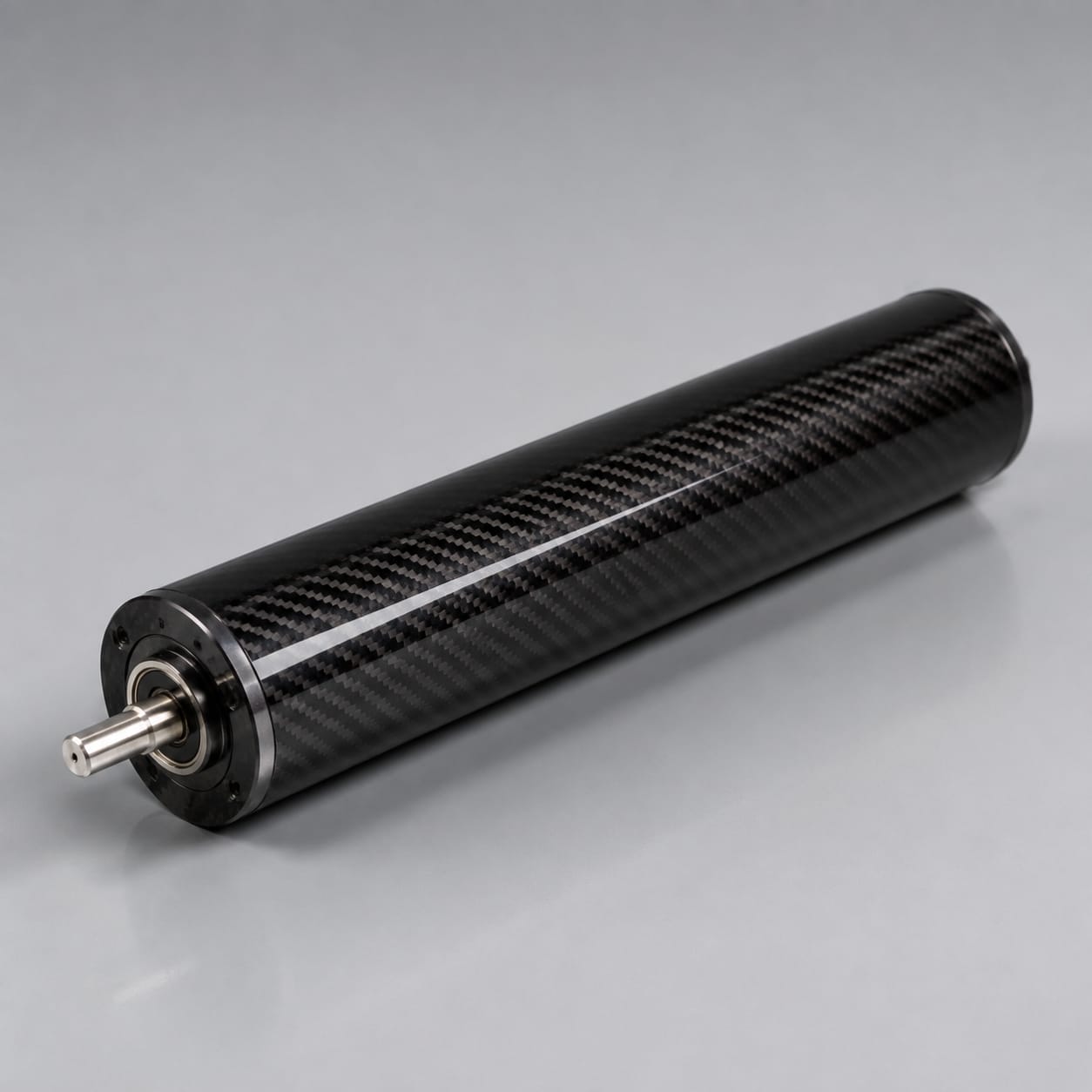
Carbon Fiber Industrial Roller

This custom industrial roller serves web handling, converting, printing, and precision transport machinery. We shape it around roller diameter, face length, tube construction, and runout datum, then develop the composite build for the specified mating parts and operating conditions.

Carbon Fiber Industrial Roller

Production Scope

Custom Manufacturing

Material

Carbon Fiber Composite

Finish

Custom Surface System

Order Type

Prototype or Batch

How we make it

Machine Duty and Journal Review to Rotational Datum and Surface Check

We first establish the working envelope and service conditions, then apply tube consolidation with purpose-designed end-fitting bond zones and a process-specific working surface. Final checks cover diameter, face length, journal relationship, specified runout references, and surface condition.

01

Machine Duty and Journal Review

We review roller diameter, face length, tube construction, and runout datum in the context of web handling, converting, printing, and precision transport machinery. The same review records line speed, tension range, temperature, chemicals, wear mechanism, and surface-contact duty and any customer-controlled acceptance criteria.

  • Define roller diameter, face length, tube construction, and runout datum
  • Record line speed, tension range, temperature, chemicals, wear mechanism, and surface-contact duty
02

Tube Build and End-Fitting Bonding

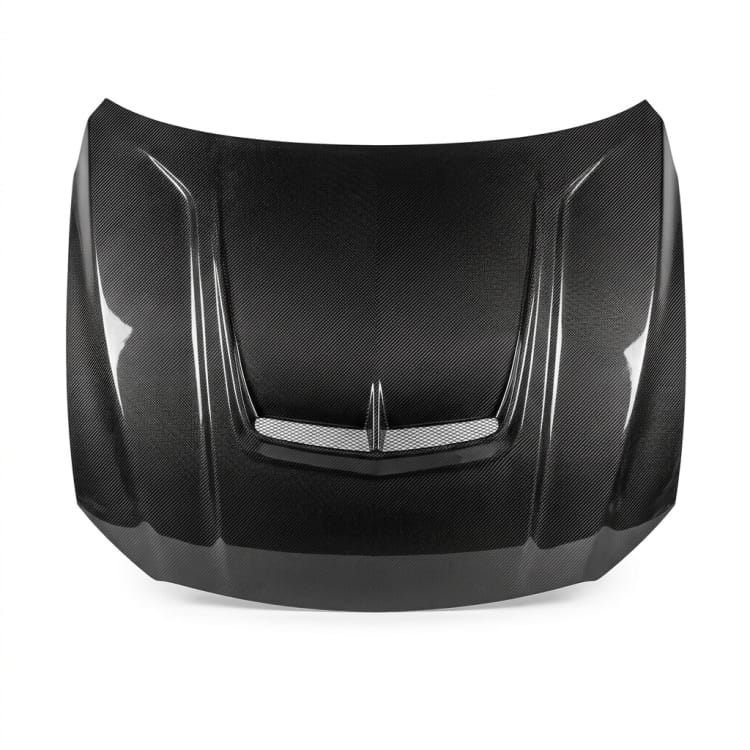
The part is produced using tube consolidation with purpose-designed end-fitting bond zones and a process-specific working surface. Particular care is given to journal geometry, bearings, bonded end fittings, drive details, and machine clearance so later drilling, assembly, and service remain practical.

  • Apply tube consolidation with purpose-designed end-fitting bond zones and a process-specific working surface
  • Build for journal geometry, bearings, bonded end fittings, drive details, and machine clearance
03

Rotational Datum and Surface Check

Before packing, the agreed inspection covers diameter, face length, journal relationship, specified runout references, and surface condition. Results are recorded to the level specified in the purchase package, without implying system certification.

  • Check diameter, face length, journal relationship, specified runout references, and surface condition
  • Protect the finished industrial roller for shipment

Scope at a glance

Applications + Custom Options

Applications

Where this industrial roller adds value

This industrial roller reduces rotating inertia and moving mass within the machine concept. It is most relevant when roller diameter, face length, tube construction, and runout datum must work with journal geometry, bearings, bonded end fittings, drive details, and machine clearance under line speed, tension range, temperature, chemicals, wear mechanism, and surface-contact duty.

  • Built for web handling, converting, printing, and precision transport machinery
  • Reduces rotating inertia and moving mass within the machine concept
  • Defined by roller diameter, face length, tube construction, and runout datum
  • Evaluated against line speed, tension range, temperature, chemicals, wear mechanism, and surface-contact duty
Custom options

Options for the industrial roller

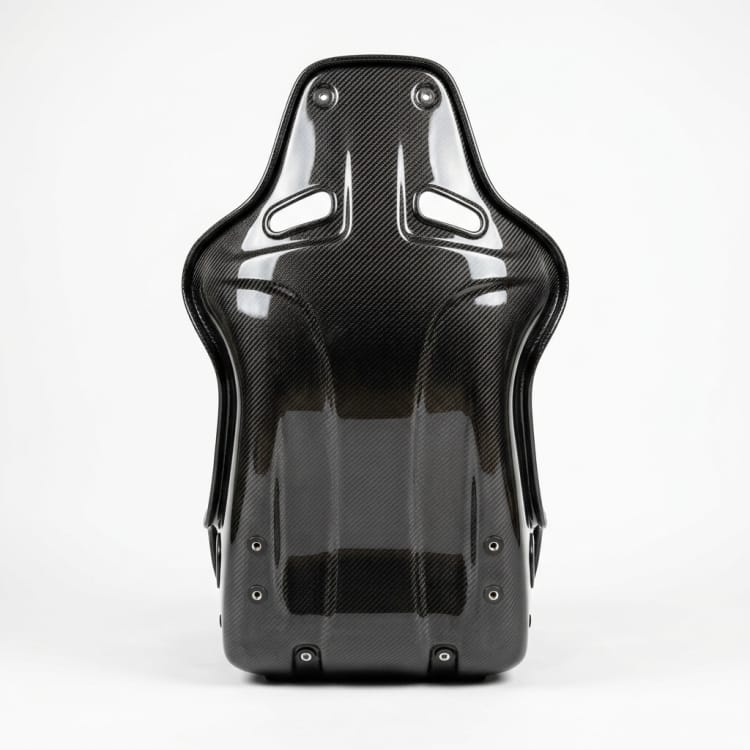
Buyers can define roller diameter, face length, tube construction, and runout datum. The quotation can also include journal geometry, bearings, bonded end fittings, drive details, and machine clearance, plus surface, inspection, quantity, and packing requirements appropriate to the program.

  • Shape and envelope: roller diameter, face length, tube construction, and runout datum
  • Assembly details: journal geometry, bearings, bonded end fittings, drive details, and machine clearance
  • Service conditions: line speed, tension range, temperature, chemicals, wear mechanism, and surface-contact duty
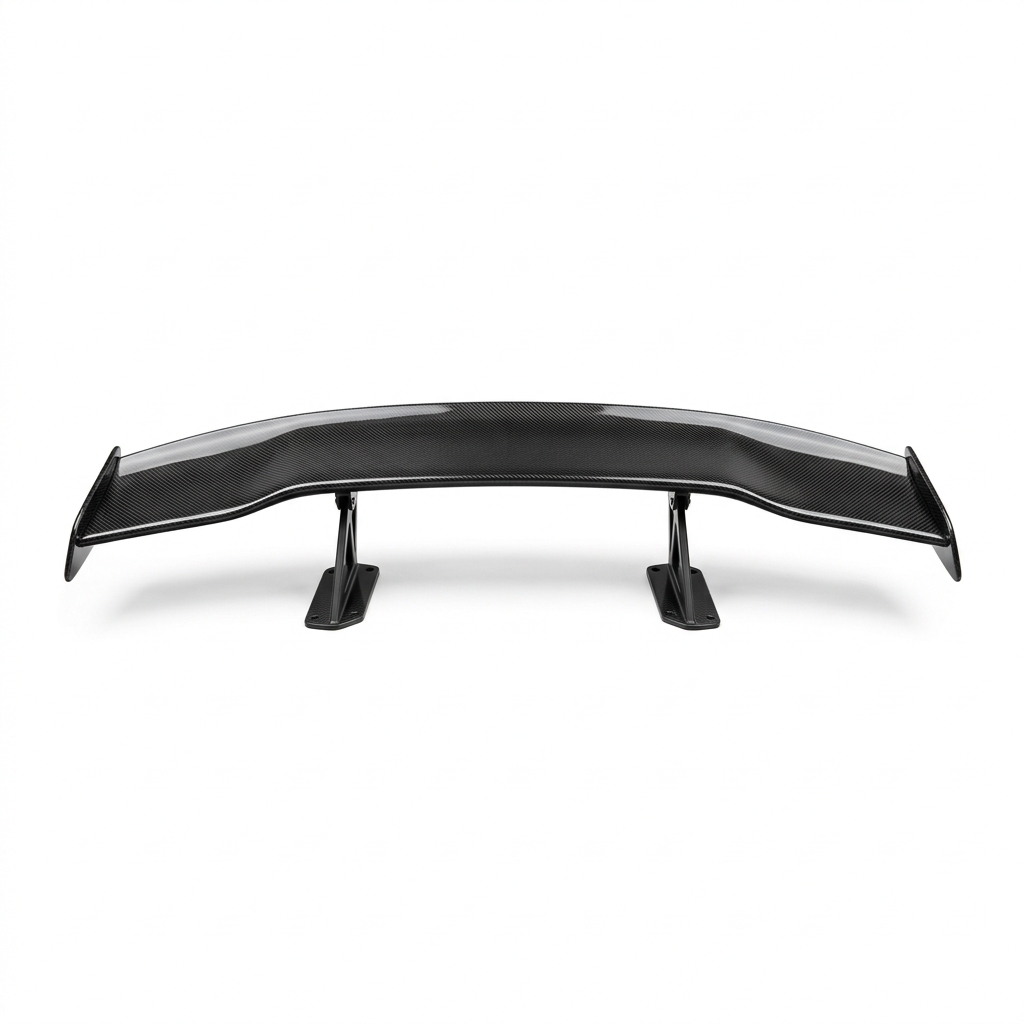
  • Visible finish, color or weave intent, inspection records, packing, and order quantity

Browse nearby applications using the same category and manufacturing approach.

Need to know

Common buyer questions

Which operating data is needed for a roller quotation?

We can work from CAD, drawings, a controlled scan, or a reference part as appropriate. The source needs to capture roller diameter, face length, tube construction, and runout datum and the key assembly references.

Can the roller accept our existing journals and bearings?

The part can be adapted to the customer's installation. We check journal geometry, bearings, bonded end fittings, drive details, and machine clearance against the mating equipment, maintenance route, and available clearances.

How is the working surface selected?

The surface system is selected from the buyer's line speed, tension or contact pressure, temperature, chemical exposure, wear, traction, finish, and tolerance requirements. Samples or trials can be incorporated into the approval process, and the buyer approves the final surface specification for its process.