Expert FRP Manufacturer

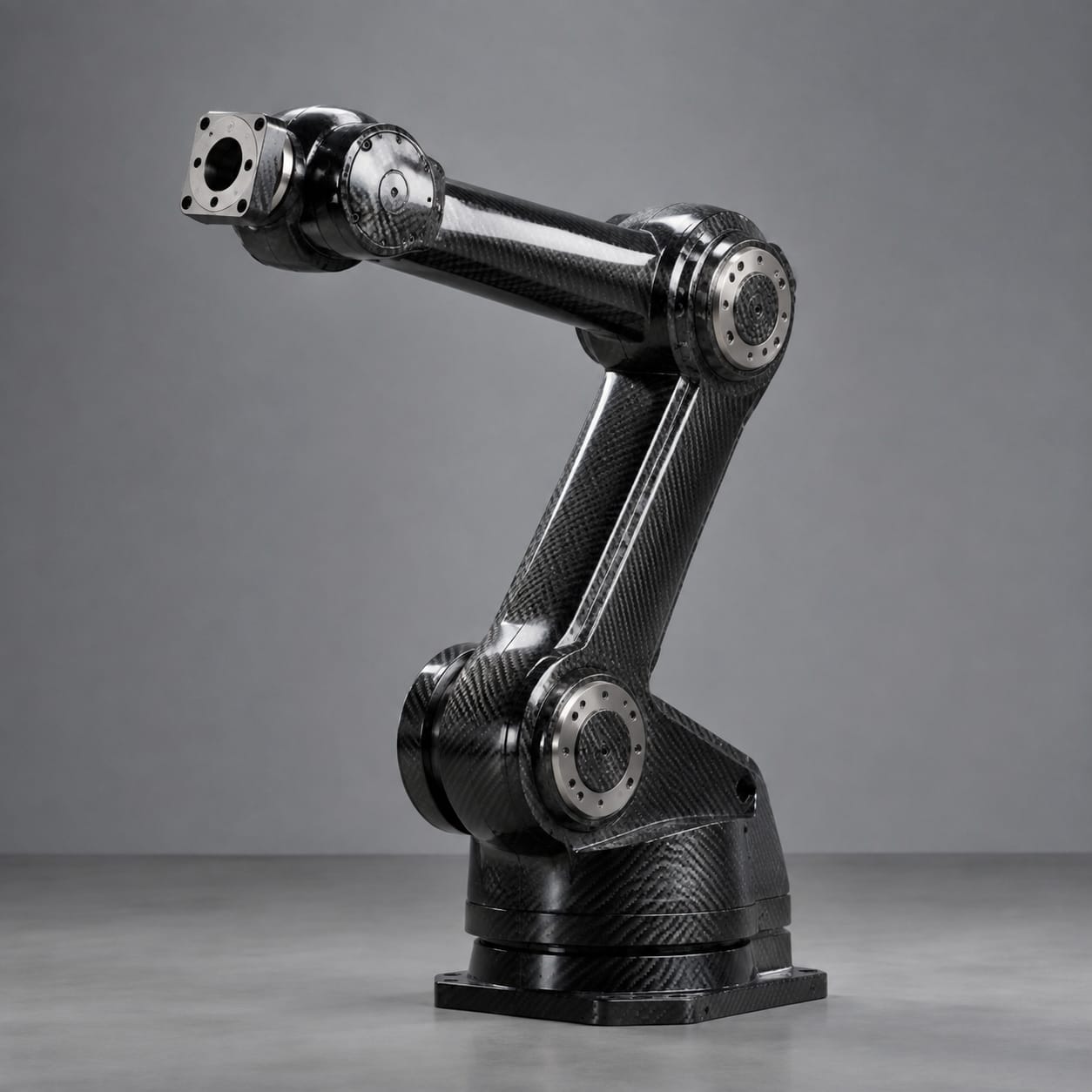
Carbon Fiber Robot Arm

This custom robot arm serves automation cells, inspection robots, laboratory equipment, and lightweight end-of-arm systems. We shape it around link section, joint spacing, rotation envelope, and outer profile, then develop the composite build for the specified mating parts and operating conditions.

Carbon Fiber Robot Arm

Production Scope

Custom Manufacturing

Material

Carbon Fiber Composite

Finish

Custom Surface System

Order Type

Prototype or Batch

How we make it

Robot Kinematics and Load-Path Review to Joint Datum and Cable-Passage Check

We first establish the working envelope and service conditions, then apply directional layup with reinforced joint zones, bonded inserts, and protected internal cable paths. Final checks cover joint datum, flange pattern, insert positions, link geometry, access openings, and surface condition.

01

Robot Kinematics and Load-Path Review

We review link section, joint spacing, rotation envelope, and outer profile in the context of automation cells, inspection robots, laboratory equipment, and lightweight end-of-arm systems. The same review records payload distribution, acceleration, joint loads, cable motion, temperature, and cycle profile and any customer-controlled acceptance criteria.

  • Define link section, joint spacing, rotation envelope, and outer profile
  • Record payload distribution, acceleration, joint loads, cable motion, temperature, and cycle profile
02

Link Layup and Joint-End Integration

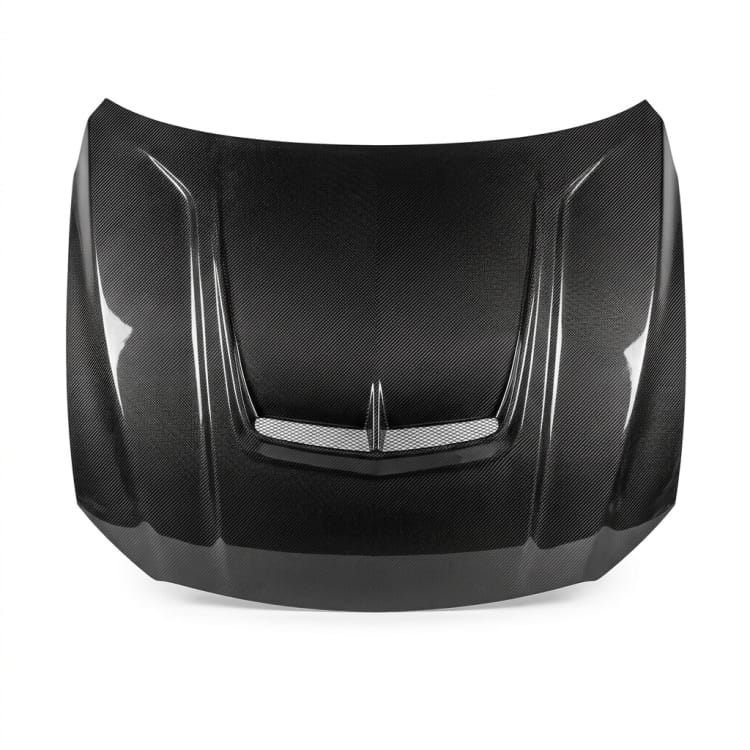
The part is produced using directional layup with reinforced joint zones, bonded inserts, and protected internal cable paths. Particular care is given to joint faces, end-effector flange, cable passages, insert zones, and access covers so later drilling, assembly, and service remain practical.

  • Apply directional layup with reinforced joint zones, bonded inserts, and protected internal cable paths
  • Build for joint faces, end-effector flange, cable passages, insert zones, and access covers
03

Joint Datum and Cable-Passage Check

Before packing, the agreed inspection covers joint datum, flange pattern, insert positions, link geometry, access openings, and surface condition. Results are recorded to the level specified in the purchase package, without implying system certification.

  • Check joint datum, flange pattern, insert positions, link geometry, access openings, and surface condition
  • Protect the finished robot arm for shipment

Scope at a glance

Applications + Custom Options

Applications

Where this robot arm adds value

This robot arm provides a low-mass link structure for a defined robot architecture. It is most relevant when link section, joint spacing, rotation envelope, and outer profile must work with joint faces, end-effector flange, cable passages, insert zones, and access covers under payload distribution, acceleration, joint loads, cable motion, temperature, and cycle profile.

  • Built for automation cells, inspection robots, laboratory equipment, and lightweight end-of-arm systems
  • Provides a low-mass link structure for a defined robot architecture
  • Defined by link section, joint spacing, rotation envelope, and outer profile
  • Evaluated against payload distribution, acceleration, joint loads, cable motion, temperature, and cycle profile
Custom options

Options for the robot arm

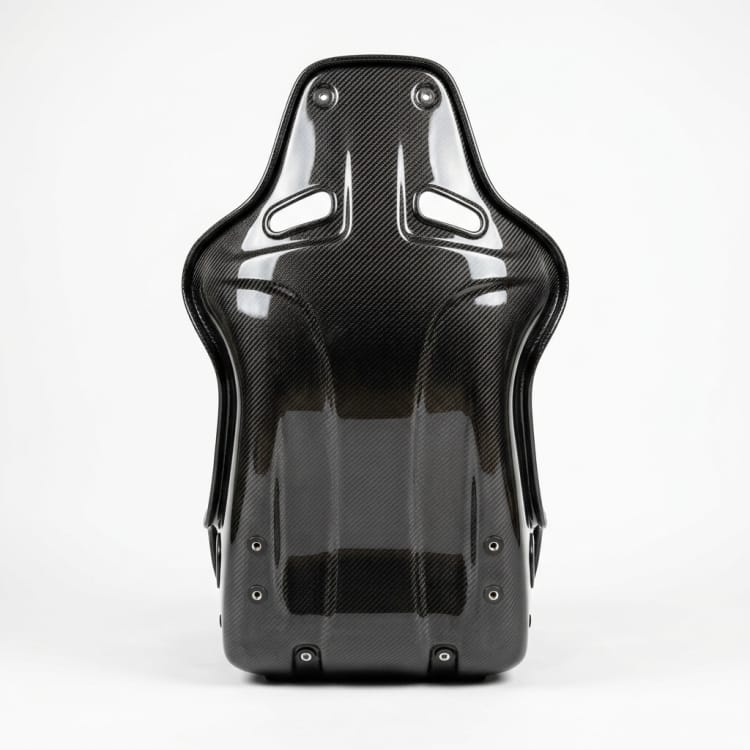
Buyers can define link section, joint spacing, rotation envelope, and outer profile. The quotation can also include joint faces, end-effector flange, cable passages, insert zones, and access covers, plus surface, inspection, quantity, and packing requirements appropriate to the program.

  • Shape and envelope: link section, joint spacing, rotation envelope, and outer profile
  • Assembly details: joint faces, end-effector flange, cable passages, insert zones, and access covers
  • Service conditions: payload distribution, acceleration, joint loads, cable motion, temperature, and cycle profile
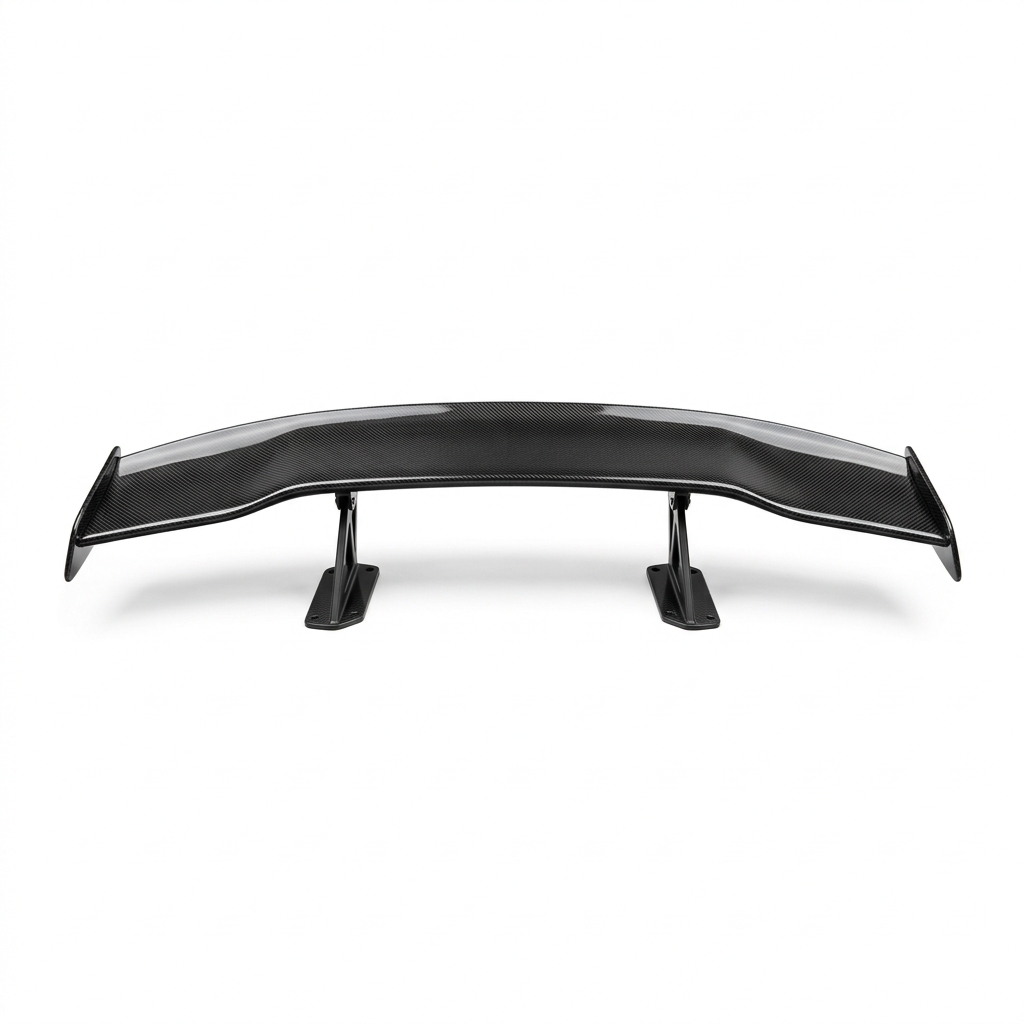
  • Visible finish, color or weave intent, inspection records, packing, and order quantity

Browse nearby applications using the same category and manufacturing approach.

Need to know

Common buyer questions

What robot and payload data should be supplied?

The useful starting package is a drawing or model supported by the relevant equipment layout. It should define link section, joint spacing, rotation envelope, and outer profile clearly enough for a dimensional review.

Can cables and hoses run inside the arm?

Those details can be included in the manufacturing brief. The review covers joint faces, end-effector flange, cable passages, insert zones, and access covers, with dimensions and hardware supplied or confirmed by the buyer.

How are metal joint fittings incorporated?

Buyer-specified fittings can be bonded or mechanically retained through released insert zones, overlap geometry, local laminate build-ups, and controlled datums. The buyer supplies joint loads, surface preparation, adhesive or fastener specifications, tolerances, and acceptance tests and remains responsible for robot-level validation.