Expert FRP Manufacturer

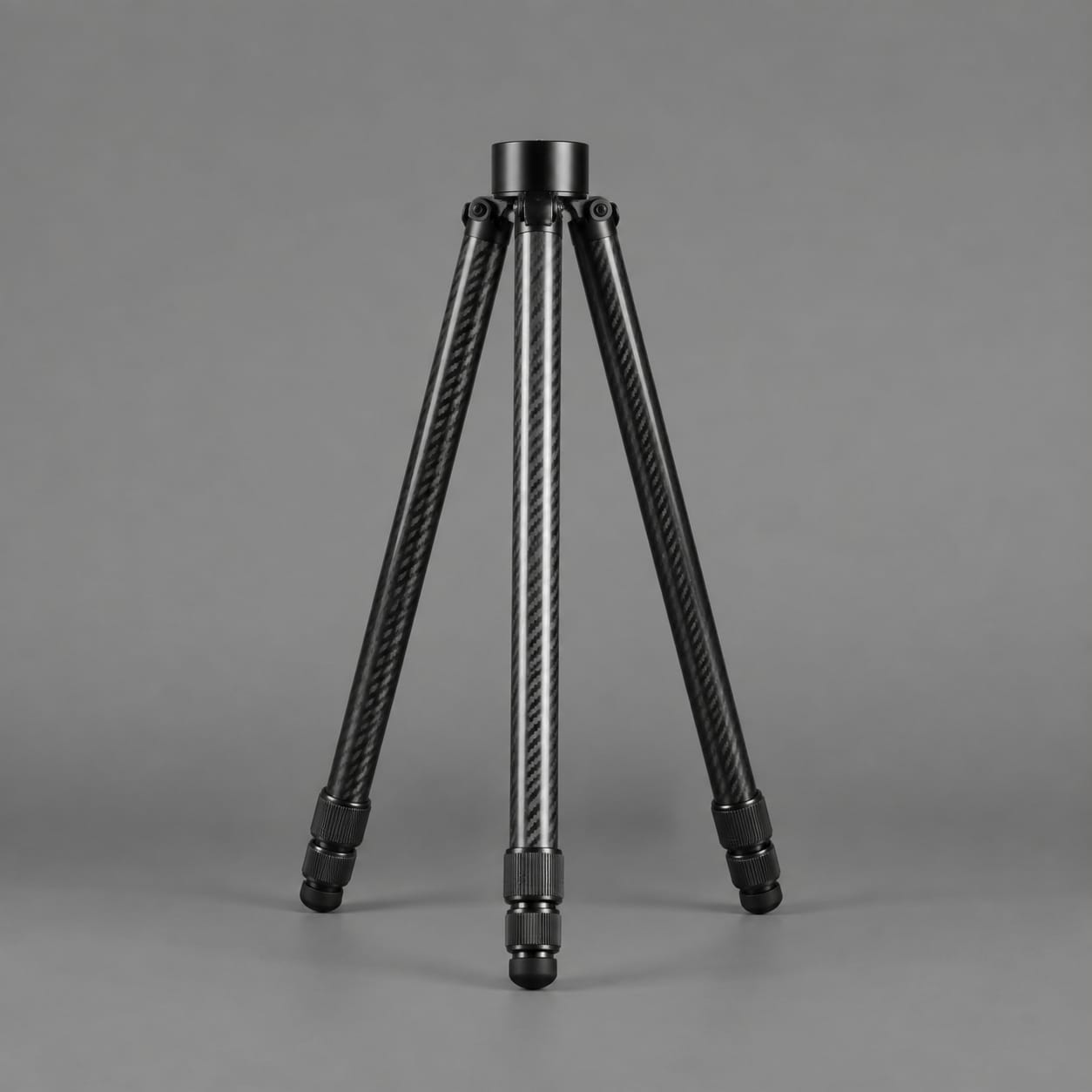
Carbon Fiber Tripod Leg

This custom tripod leg serves professional imaging, surveying, optical, and portable support systems. We shape it around tube taper, extended and collapsed length, section nesting, and wall concept, then develop the composite build for the specified mating parts and operating conditions.

Carbon Fiber Tripod Leg

Production Scope

Custom Manufacturing

Material

Carbon Fiber Composite

Finish

Custom Surface System

Order Type

Prototype or Batch

How we make it

Extension Stack and Clamp Review to Nesting, Lock, and Foot-Fit Check

We first establish the working envelope and service conditions, then apply tube molding with controlled nesting surfaces and reinforced bonded ends for locks and feet. Final checks cover tube straightness references, nesting clearance, lock fit, end fittings, and visible finish.

01

Extension Stack and Clamp Review

We review tube taper, extended and collapsed length, section nesting, and wall concept in the context of professional imaging, surveying, optical, and portable support systems. The same review records supported equipment, extension duty, clamping pressure, outdoor exposure, impact risk, and handling and any customer-controlled acceptance criteria.

  • Define tube taper, extended and collapsed length, section nesting, and wall concept
  • Record supported equipment, extension duty, clamping pressure, outdoor exposure, impact risk, and handling
02

Tapered Tube Build and End Bonding

The part is produced using tube molding with controlled nesting surfaces and reinforced bonded ends for locks and feet. Particular care is given to clamp or lock geometry, bonded end inserts, foot fitting, stops, and assembly clearance so later drilling, assembly, and service remain practical.

  • Apply tube molding with controlled nesting surfaces and reinforced bonded ends for locks and feet
  • Build for clamp or lock geometry, bonded end inserts, foot fitting, stops, and assembly clearance
03

Nesting, Lock, and Foot-Fit Check

Before packing, the agreed inspection covers tube straightness references, nesting clearance, lock fit, end fittings, and visible finish. Results are recorded to the level specified in the purchase package, without implying system certification.

  • Check tube straightness references, nesting clearance, lock fit, end fittings, and visible finish
  • Protect the finished tripod leg for shipment

Scope at a glance

Applications + Custom Options

Applications

Where this tripod leg adds value

This tripod leg provides a light, stiff section for a defined extension and locking mechanism. It is most relevant when tube taper, extended and collapsed length, section nesting, and wall concept must work with clamp or lock geometry, bonded end inserts, foot fitting, stops, and assembly clearance under supported equipment, extension duty, clamping pressure, outdoor exposure, impact risk, and handling.

  • Built for professional imaging, surveying, optical, and portable support systems
  • Provides a light, stiff section for a defined extension and locking mechanism
  • Defined by tube taper, extended and collapsed length, section nesting, and wall concept
  • Evaluated against supported equipment, extension duty, clamping pressure, outdoor exposure, impact risk, and handling

Custom options

Options for the tripod leg

Buyers can define tube taper, extended and collapsed length, section nesting, and wall concept. The quotation can also include clamp or lock geometry, bonded end inserts, foot fitting, stops, and assembly clearance, plus surface, inspection, quantity, and packing requirements appropriate to the program.

  • Shape and envelope: tube taper, extended and collapsed length, section nesting, and wall concept
  • Assembly details: clamp or lock geometry, bonded end inserts, foot fitting, stops, and assembly clearance
  • Service conditions: supported equipment, extension duty, clamping pressure, outdoor exposure, impact risk, and handling
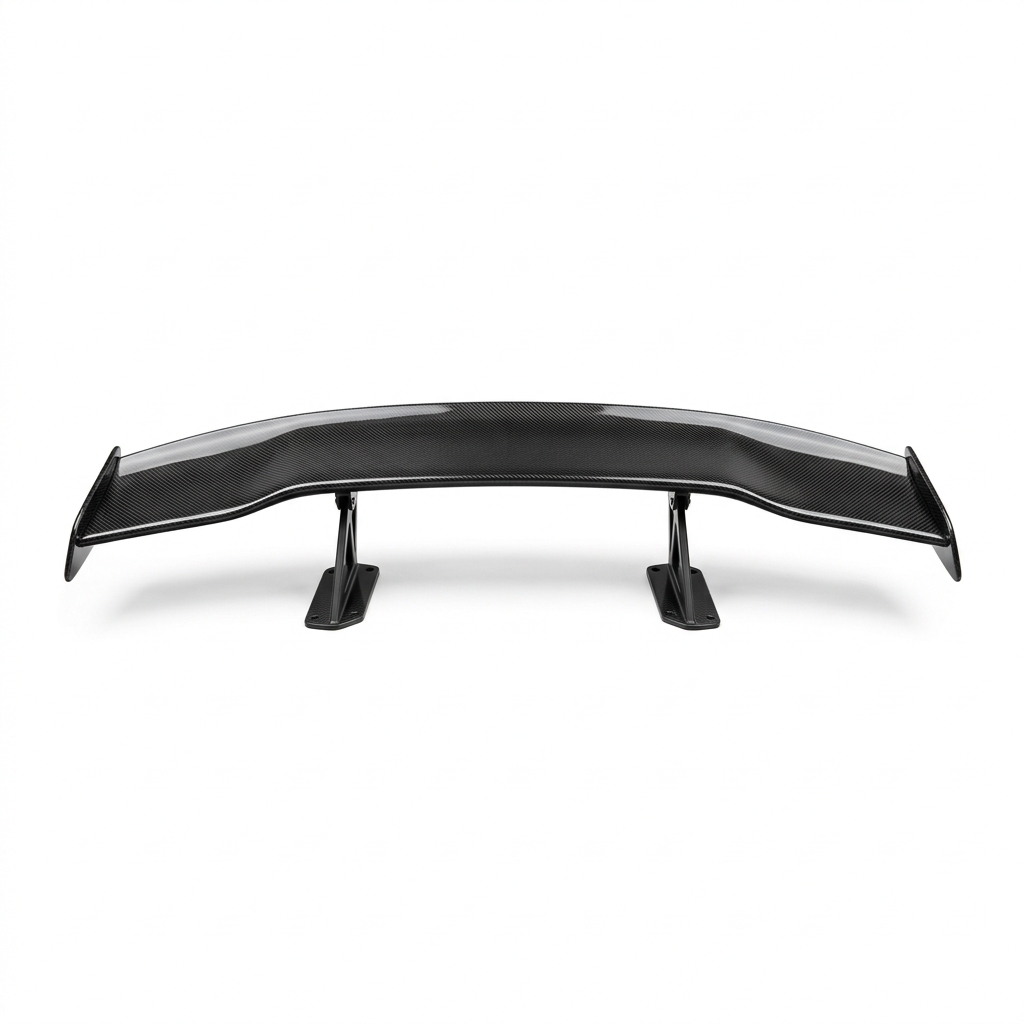
  • Visible finish, color or weave intent, inspection records, packing, and order quantity

Browse nearby applications using the same category and manufacturing approach.

Need to know

Common buyer questions

What dimensions are needed for telescoping leg sections?

We can work from CAD, drawings, a controlled scan, or a reference part as appropriate. The source needs to capture tube taper, extended and collapsed length, section nesting, and wall concept and the key assembly references.

Can the tubes fit our current locks and feet?

The part can be adapted to the customer's installation. We check clamp or lock geometry, bonded end inserts, foot fitting, stops, and assembly clearance against the mating equipment, maintenance route, and available clearances.

How are bonded end fittings protected from peel loads?

The released design should control bond length, overlap geometry, insert taper or shoulder, surface preparation, and adhesive specification to limit peel concentration. Applied loads and acceptance tests must be supplied or approved by the buyer, which remains responsible for final load validation.