Expert FRP Manufacturer

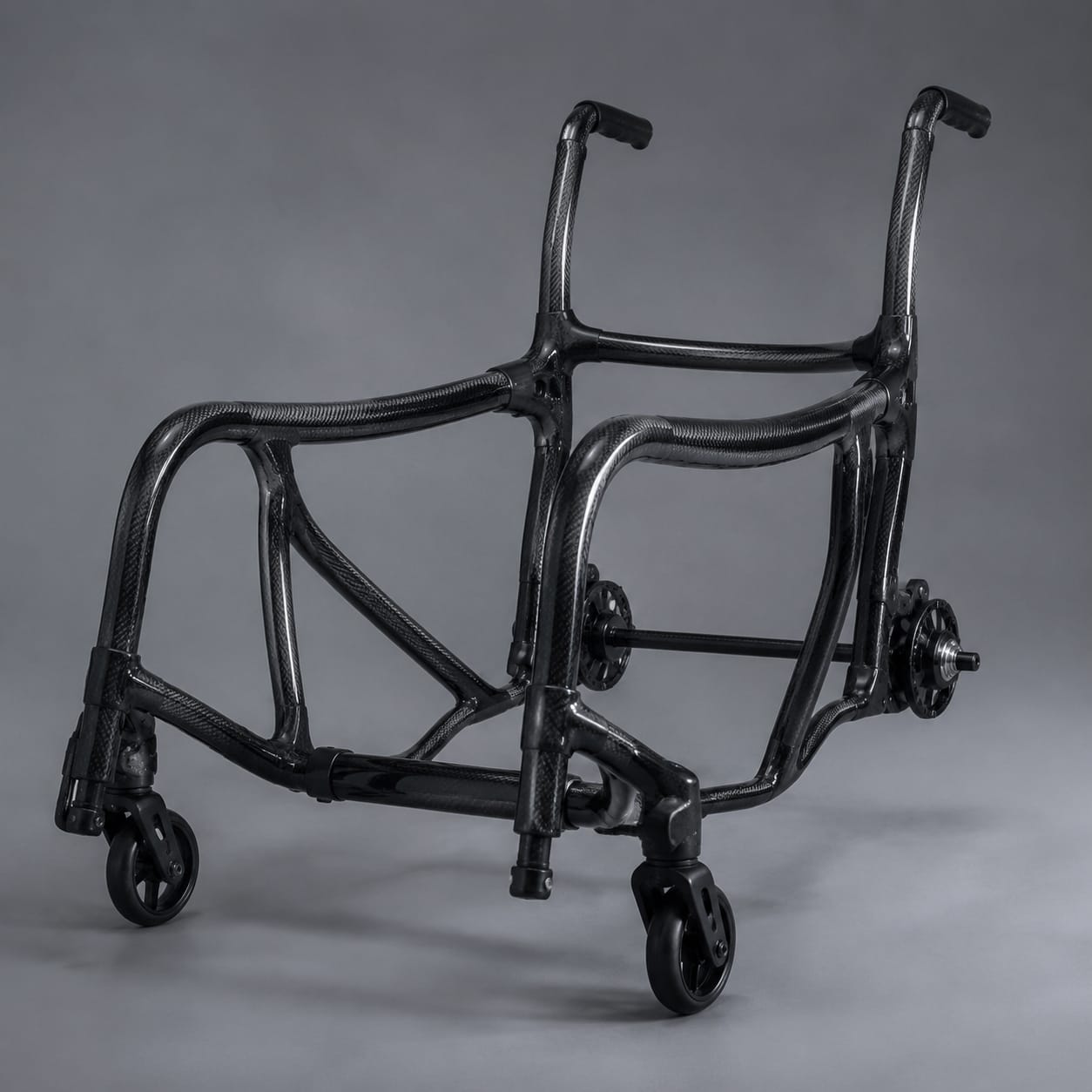
Carbon Fiber Wheelchair Frame

Developed for manual mobility products, adaptive seating, and sports wheelchair programs, this wheelchair frame combines project-specific composite construction with seat width and angle, frame sweep, wheelbase, ground clearance, and user envelope. Attachment and service details are resolved against the buyer's equipment before manufacturing begins.

Carbon Fiber Wheelchair Frame

Production Scope

Custom Manufacturing

Material

Carbon Fiber Composite

Finish

Custom Surface System

Order Type

Prototype or Batch

How we make it

Seating Geometry and Mobility Layout Review to Axle, Caster, and Seating-Hardware Check

The route is built around the actual assembly: define seat width and angle, frame sweep, wheelbase, ground clearance, and user envelope, manufacture using directional layup with reinforced axle, caster, seating, and footrest attachment regions, and record frame geometry, wheel alignment references, mount locations, hardware fit, edges, and surface finish before packing.

01

Seating Geometry and Mobility Layout Review

We review seat width and angle, frame sweep, wheelbase, ground clearance, and user envelope in the context of manual mobility products, adaptive seating, and sports wheelchair programs. The same review records the OEM's user categories, load cases, impact and fatigue protocol, service environment, and risk controls and any customer-controlled acceptance criteria.

  • Define seat width and angle, frame sweep, wheelbase, ground clearance, and user envelope
  • Record the OEM's user categories, load cases, impact and fatigue protocol, service environment, and risk controls
02

Frame Layup and Mount Reinforcement

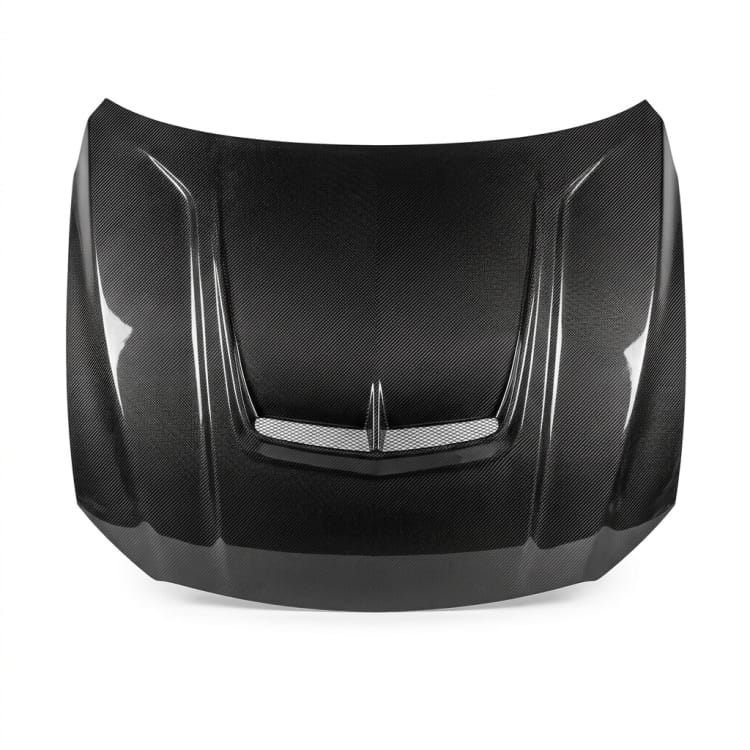
The part is produced using directional layup with reinforced axle, caster, seating, and footrest attachment regions. Particular care is given to axle receiver, caster mounts, back supports, footrest, seat hardware, and adjustment features so later drilling, assembly, and service remain practical.

  • Apply directional layup with reinforced axle, caster, seating, and footrest attachment regions
  • Build for axle receiver, caster mounts, back supports, footrest, seat hardware, and adjustment features
03

Axle, Caster, and Seating-Hardware Check

Before packing, the agreed inspection covers frame geometry, wheel alignment references, mount locations, hardware fit, edges, and surface finish. Results are recorded to the level specified in the purchase package, without implying system certification.

  • Check frame geometry, wheel alignment references, mount locations, hardware fit, edges, and surface finish
  • Protect the finished wheelchair frame for shipment

Scope at a glance

Applications + Custom Options

Applications

Where this wheelchair frame adds value

This wheelchair frame provides a lightweight structure for an OEM-defined seating and running-gear package. It is most relevant when seat width and angle, frame sweep, wheelbase, ground clearance, and user envelope must work with axle receiver, caster mounts, back supports, footrest, seat hardware, and adjustment features under the OEM's user categories, load cases, impact and fatigue protocol, service environment, and risk controls.

  • Built for manual mobility products, adaptive seating, and sports wheelchair programs
  • Provides a lightweight structure for an OEM-defined seating and running-gear package
  • Defined by seat width and angle, frame sweep, wheelbase, ground clearance, and user envelope
  • Evaluated against the OEM's user categories, load cases, impact and fatigue protocol, service environment, and risk controls

Custom options

Options for the wheelchair frame

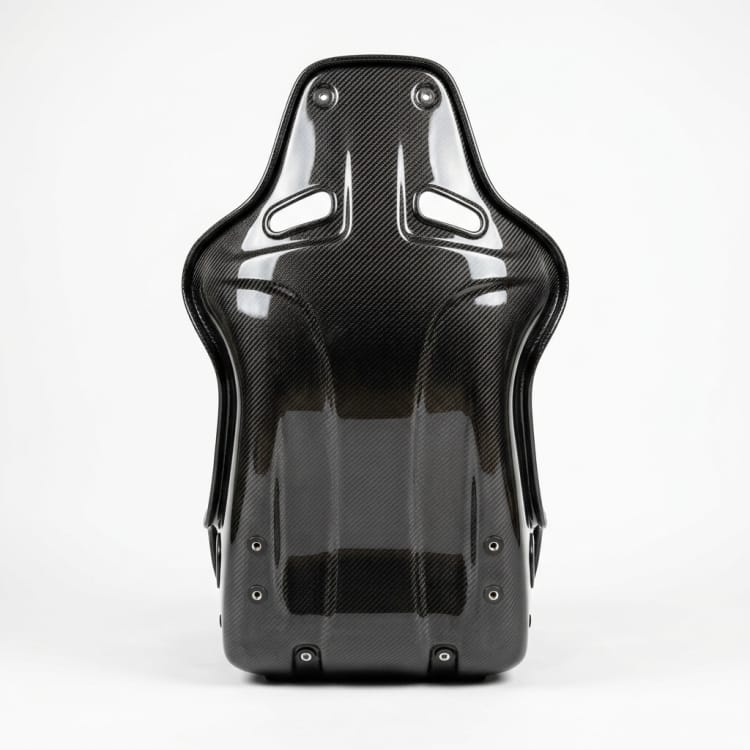
Buyers can define seat width and angle, frame sweep, wheelbase, ground clearance, and user envelope. The quotation can also include axle receiver, caster mounts, back supports, footrest, seat hardware, and adjustment features, plus surface, inspection, quantity, and packing requirements appropriate to the program.

  • Shape and envelope: seat width and angle, frame sweep, wheelbase, ground clearance, and user envelope
  • Assembly details: axle receiver, caster mounts, back supports, footrest, seat hardware, and adjustment features
  • Service conditions: the OEM's user categories, load cases, impact and fatigue protocol, service environment, and risk controls
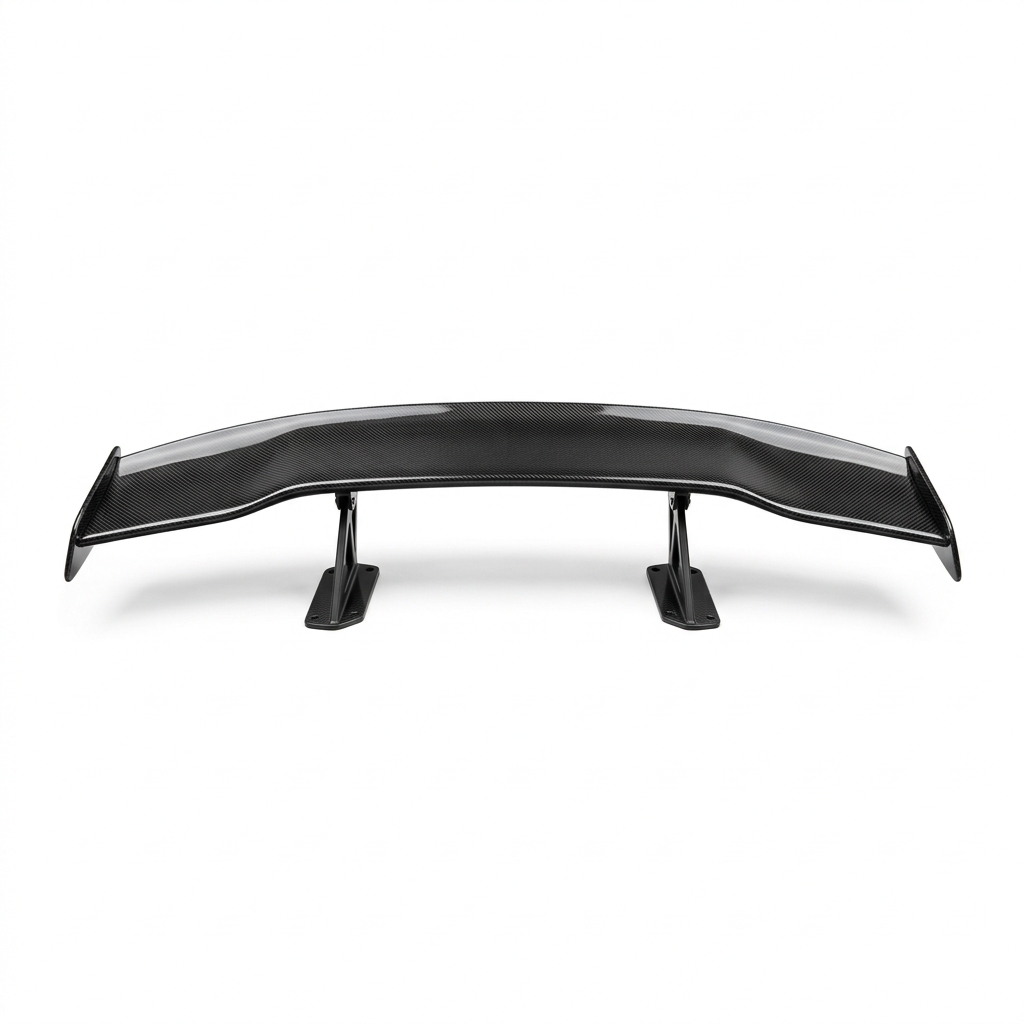
  • Visible finish, color or weave intent, inspection records, packing, and order quantity

Browse nearby applications using the same category and manufacturing approach.

Need to know

Common buyer questions

What seating and running-gear data is required?

The useful starting package is a drawing or model supported by the relevant equipment layout. It should define seat width and angle, frame sweep, wheelbase, ground clearance, and user envelope clearly enough for a dimensional review.

Can axle and caster positions remain adjustable?

Those details can be included in the manufacturing brief. The review covers axle receiver, caster mounts, back supports, footrest, seat hardware, and adjustment features, with dimensions and hardware supplied or confirmed by the buyer.

Who validates the complete wheelchair product?

The wheelchair OEM and its designated clinical, engineering, or regulatory authorities validate the complete product. User categories, load cases, stability, impact and fatigue tests, seating and running-gear integration, risk controls, and regulatory compliance remain the OEM's responsibility.