Expert FRP Manufacturer

FRP Environmental Sampling Booth

Created for monitoring sites collecting air, water, dust, or process samples, this environmental sampling booth puts staff workflow and visibility first. Its FRP enclosure can be configured around sample bench and instrument zones, while sampling lines and instrument inlets are built into the floor plan and site-service drawings.

FRP Environmental Sampling Booth

Production Scope

Custom FRP Environmental Sampling Booth

Material

FRP Shell with Supporting Frame

Finish

Project-Specified Exterior Finish

Order Type

Single Unit or Batch Program

How we make it

Environmental Sampling Booth Design and Fabrication Process

Fabrication of the environmental sampling booth starts with the staff workflow around sample bench. The frame, FRP panels, doors and glazing, sampling lines provisions, exterior coating, base, and lifting details are completed to the released layout.

01

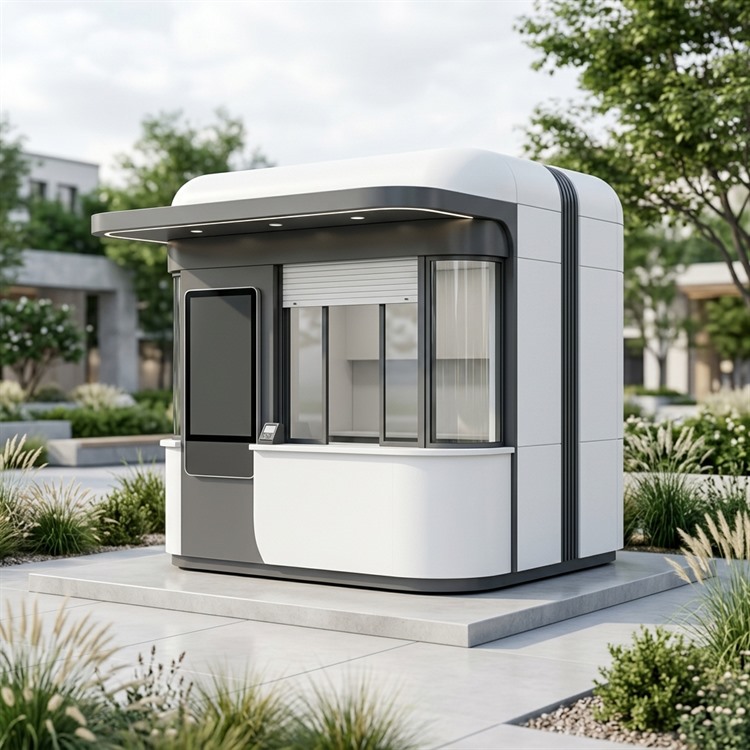
Environmental Sampling Booth Workflow and Site Definition

Map the staff task, customer or vehicle approach, sample bench, instrument zones, lockable storage, controlled openings, and service access, and the requirements for sampling lines, instrument inlets, exhaust or ventilation, power, drains, cleaning workflow, and site exposure. The review also records weather exposure, ventilation criteria, incoming services, base design, lifting access, and local installation constraints.

  • Lay out sample bench and instrument zones
  • Mark sampling lines and instrument inlets
02

Environmental Sampling Booth Shell, Frame, and Openings

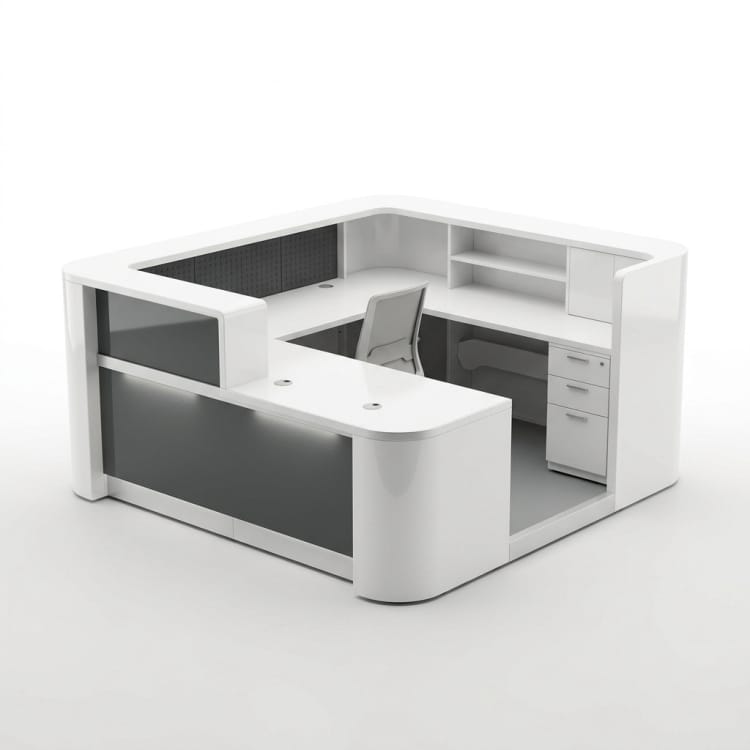
Build the frame and molded panels around sample bench, then fit doors, glazing, counters, removable covers, and equipment cutouts. Ventilation, electrical, and data openings associated with sampling lines and instrument inlets follow the released service drawings.
  • Build shell and frame around sample bench
  • Fit doors, glazing, counters, and access panels
03

Environmental Sampling Booth Functional Check and Delivery

Operate doors, windows, counters, and service closures on the environmental sampling booth; verify roof drainage, base dimensions, finish, and sampling lines and instrument inlets. Glazing, corners, fixtures, and lifting locations are protected for delivery.

  • Operate doors, windows, and service closures
  • Verify base, penetrations, drainage, and lifting features

Scope at a glance

Applications + Custom Options

Applications

Operating Fit for the Environmental Sampling Booth

This booth is designed for monitoring sites collecting air, water, dust, or process samples. The layout is developed around the staff task, customer or driver approach, lines of sight, equipment access, weather exposure, and the way the unit will be placed on site.

  • Primary use: monitoring sites collecting air, water, dust, or process samples.
  • Working layout: sample bench, instrument zones, lockable storage, controlled openings, and service access.
  • Site and equipment provisions: sampling lines, instrument inlets, exhaust or ventilation, power, drains, cleaning workflow, and site exposure.
  • New sites and replacement programs can use the same enclosure concept after the base, service entries, operating clearances, and sampling lines and instrument inlets are verified.

Custom options

Environmental Sampling Booth Layout and Exterior Options

The environmental sampling booth is sized around its operating task rather than a catalog shell. The drawing review sets sample bench and instrument zones, then reserves space and access for sampling lines and instrument inlets.

  • Configure sample bench, instrument zones, lockable storage, controlled openings, and service access.
  • Provide for sampling lines, instrument inlets, exhaust or ventilation, power, drains, cleaning workflow, and site exposure.
  • Choose doors, fixed or operable glazing, counter height, locks, shading, signage panels, exterior color, and interior lining to suit the environmental sampling booth workflow.
  • Locate vents or HVAC openings, electrical and data entries, roof drainage, foundation anchors, and lifting features around sampling lines and instrument inlets and the site plan.

Browse nearby applications using the same category and manufacturing approach.

Need to know

Common buyer questions

Can the Environmental Sampling Booth doors, windows, and work area be changed?

Yes. The floor plan can be built around sample bench, instrument zones, lockable storage, controlled openings, and service access. Door swing, glazing type, transaction openings, counters, storage, and equipment clearances should be marked on the quotation drawing before fabrication.

Can the Environmental Sampling Booth be prepared for outdoor use and ventilation?

Yes. For the Environmental Sampling Booth, the shell can include drip edges, sealed panel joints, roof drainage, louvers, passive vents, or framed openings for buyer-selected HVAC equipment. Provide the site's rain exposure, temperature range, occupancy, and ventilation criteria; the project MEP engineer remains responsible for system sizing.

How are electrical services, the foundation, and lifting handled for the Environmental Sampling Booth?

For the Environmental Sampling Booth, provide the electrical and data entry plan, equipment schedule, foundation or base drawing, and intended lifting method. GFIND can form penetrations, anchor provisions, base-frame features, and designated lift points to those documents. Qualified site contractors remain responsible for wiring, foundations, rigging, and installation.