Expert FRP Manufacturer

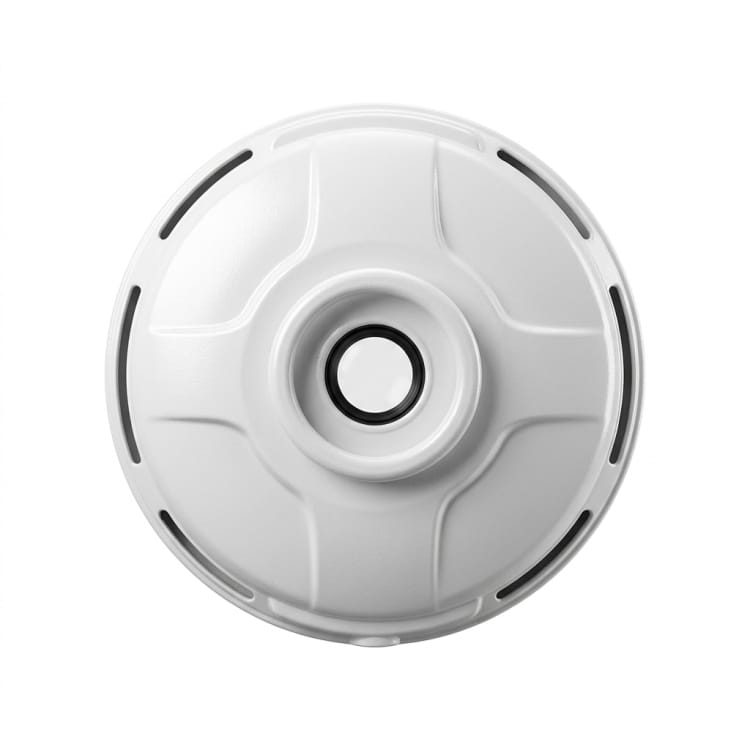
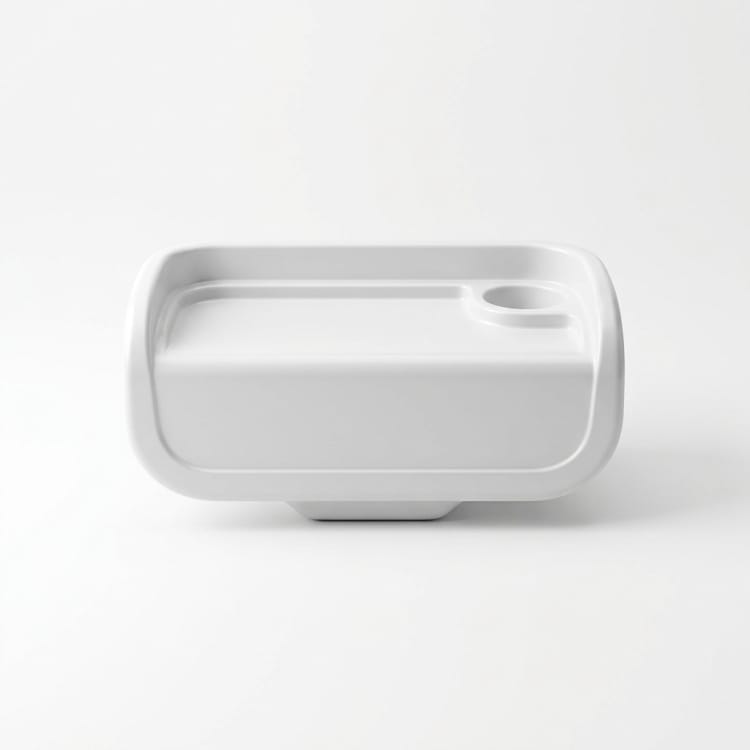
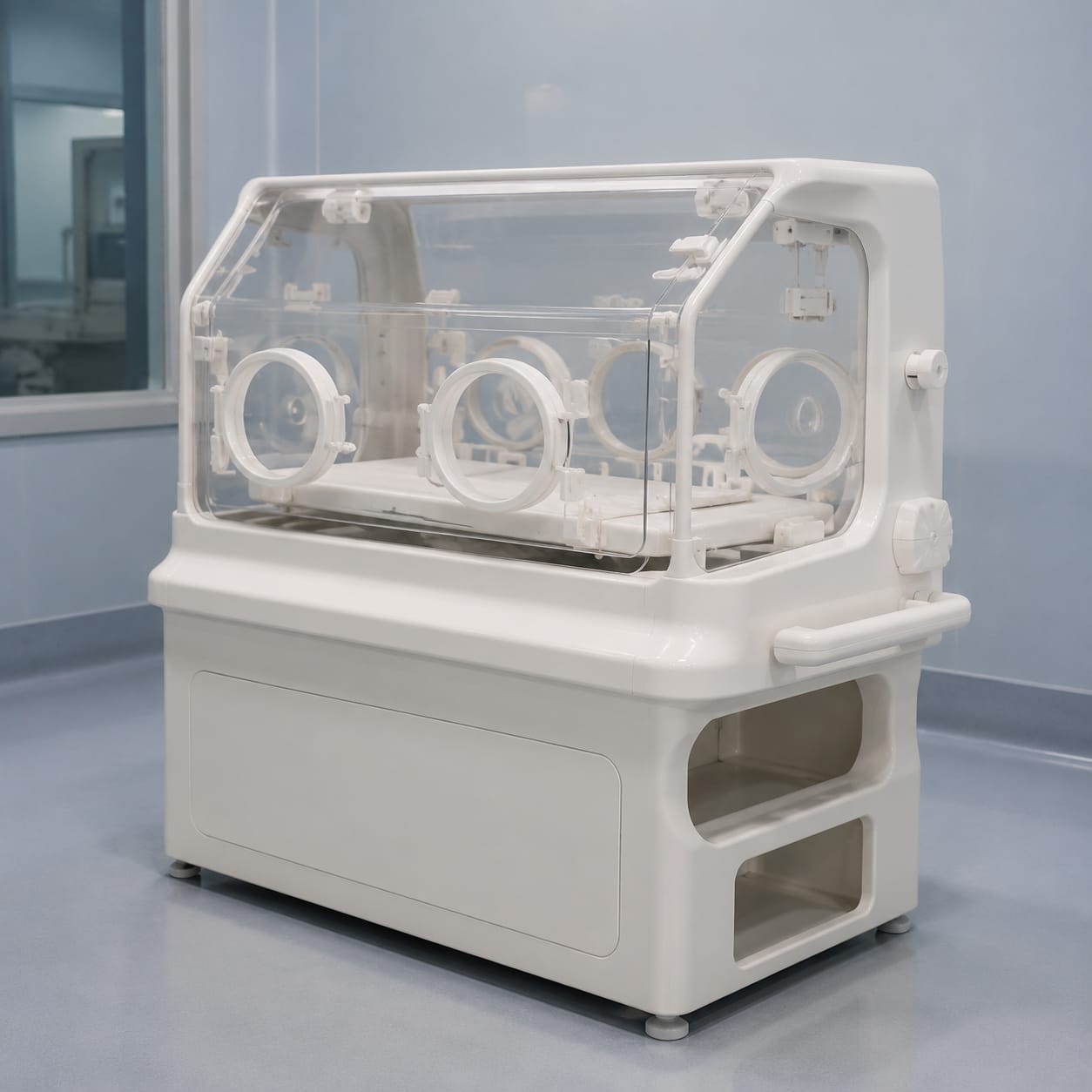
FRP Neonatal Incubator Housing

Developed for neonatal care systems supporting a transparent chamber, thermal controls, and a mobile base, this housing organizes base shrouds and a control-console bezel around the OEM equipment package. We mold and trim the FRP sections to preserve airflow modules and the chamber connection, service access, and specified cosmetic surfaces for device assembly.

FRP Neonatal Incubator Housing

Production Scope

Custom FRP Neonatal Incubator Housing

Material

FRP Composite Shell

Finish

Project-Specified Painted or Coated Surface

Order Type

Prototype to Repeat Batch

How we make it

Neonatal Incubator Housing Enclosure Development and Production

Production begins with the OEM equipment envelope and airflow modules. The housing assembly is divided into moldable sections, formed, trimmed, fitted with specified hardware provisions, inspected to buyer references, and packed for device assembly.

01

Neonatal Incubator Housing Package and Service Review

Review the device envelope, base shrouds, a control-console bezel, drawer fronts, column covers, and chamber-support transitions, and the requirements for airflow modules, the chamber connection, access-port hardware, height adjustment, cables, casters, and service panels. The OEM data must also identify cosmetic zones, panel splits, trim references, mounting features, ventilation, cables, and service-removal paths.

  • Review base shrouds and a control-console bezel against the equipment package
  • Mark access, ventilation, cable, and mounting features
02

Neonatal Incubator Housing Molding and Feature Preparation

Prepare molds for the released shell divisions, form the composite sections, and add the specified reinforcement, inserts, openings, joints, and trim features around airflow modules and the chamber connection.

  • Form the base shrouds and adjoining covers
  • Reinforce attachment and service areas
03

Neonatal Incubator Housing Inspection and OEM Handoff

Check the housing against buyer references for dimensions, panel fit, airflow modules, edge quality, and cosmetic finish. Protect each section for transport and the OEM's downstream assembly and device-level validation.

  • Check shell dimensions and access-panel fit
  • Inspect airflow modules and visible surfaces

Scope at a glance

Applications + Custom Options

Applications

Neonatal Incubator Housing Application and OEM Scope

This enclosure is intended for neonatal care systems supporting a transparent chamber, thermal controls, and a mobile base. It provides shaped external covers and specified assembly features while leaving device architecture, performance, cleaning strategy, safety, and regulatory decisions with the medical equipment OEM.

  • Designed around neonatal care systems supporting a transparent chamber, thermal controls, and a mobile base.
  • Visible and removable sections may include base shrouds, a control-console bezel, drawer fronts, column covers, and chamber-support transitions.
  • Shell divisions must preserve airflow modules, the chamber connection, access-port hardware, height adjustment, cables, casters, and service panels.
  • Neonatal Incubator Housing programs may progress from appearance and fit-review shells to pilot units and repeat orders after base shrouds and a control-console bezel and the related inspection data are controlled by the OEM.

Custom options

Neonatal Incubator Housing Shell and Access Options

OEM CAD, packaging data, drawings, or a reference shell can define the Neonatal Incubator Housing outer form. Panel boundaries and removable areas are then developed around base shrouds and a control-console bezel, with clearances and service paths governed by airflow modules and the chamber connection.

  • Define base shrouds, a control-console bezel, drawer fronts, column covers, and chamber-support transitions.
  • Lay out removable panels and openings around airflow modules, the chamber connection, access-port hardware, height adjustment, cables, casters, and service panels.
  • Specify bosses, bonded or installed inserts, brackets, fastener positions, edge radii, panel joints, and trim references around base shrouds and airflow modules.
  • Set the buyer's color, gloss, texture, marking areas, coating system, and cosmetic acceptance references for the Neonatal Incubator Housing.

Browse nearby applications using the same category and manufacturing approach.

Need to know

Common buyer questions

Can the Neonatal Incubator Housing be made from our CAD or equipment package?

Yes. OEM CAD, packaging data, drawings, scan data, or a reference shell can define base shrouds and a control-console bezel. We review mold release, part divisions, trim access, and laminate access before confirming the manufacturing approach.

How are access, ventilation, and mounting features handled on the Neonatal Incubator Housing?

The OEM must define locations and clearances for airflow modules, the chamber connection, access-port hardware, height adjustment, cables, casters, and service panels. We can mold or trim the specified openings, prepare removable covers, and add agreed inserts or brackets to the released drawings; the OEM verifies those features in the assembled device.

Does GFIND validate the completed medical device fitted with the Neonatal Incubator Housing?

No. We manufacture and inspect the Neonatal Incubator Housing to buyer specifications, including the released features for airflow modules and the chamber connection. Device risk management, cleaning and disinfection validation, electrical and mechanical safety, regulatory compliance, and completed-device verification remain with the medical equipment OEM.