Expert FRP Manufacturer

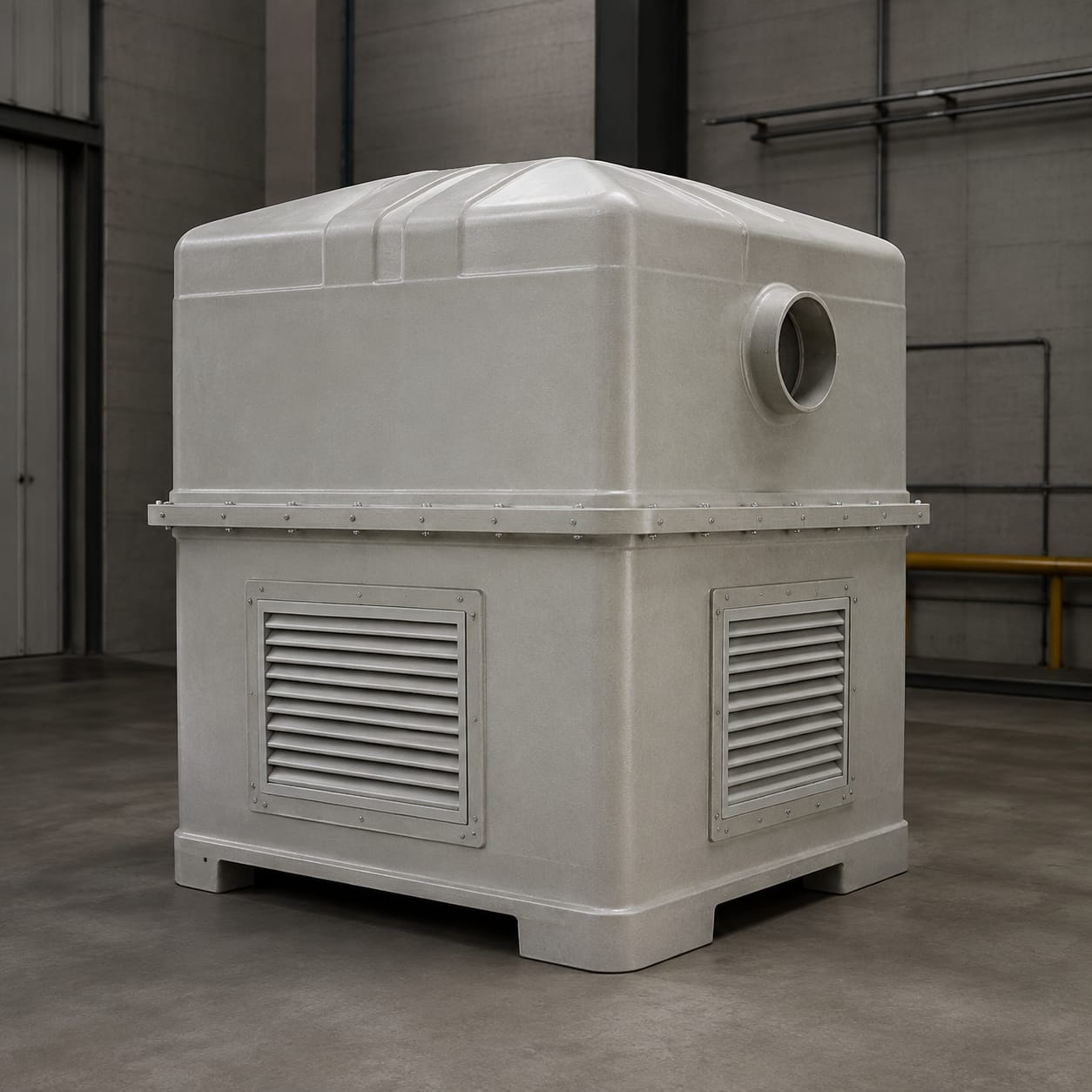
FRP Odor Control Enclosure

Built for wastewater headworks, composting plants, and industrial odor-control systems, this custom odor enclosure follows enclosure footprint, wall and roof modules, door positions, internal clearance, and sectional joints. Its composite build also accounts for the mating equipment and service details instead of using a generic catalog envelope.

FRP Odor Control Enclosure

Production Scope

Custom Manufacturing

Material

FRP Composite

Finish

Project-Specific Coating

Order Type

Prototype or Batch

How we make it

Gas Stream, Extraction, and Footprint Review to Air Path, Base, and Field-Joint Check

The work moves from the customer's package and gas and chemical composition, humidity, negative pressure, UV, wind, washdown, temperature, and operator access through modular FRP panel fabrication with reinforced doors, duct collars, base edges, and field joints, followed by checks of module fit, door operation, duct and process openings, base detail, drainage, lifting points, and assembly sequence.

01

Gas Stream, Extraction, and Footprint Review

We review enclosure footprint, wall and roof modules, door positions, internal clearance, and sectional joints in the context of wastewater headworks, composting plants, and industrial odor-control systems. The same review records gas and chemical composition, humidity, negative pressure, UV, wind, washdown, temperature, and operator access and any customer-controlled acceptance criteria.

  • Define enclosure footprint, wall and roof modules, door positions, internal clearance, and sectional joints
  • Record gas and chemical composition, humidity, negative pressure, UV, wind, washdown, temperature, and operator access
02

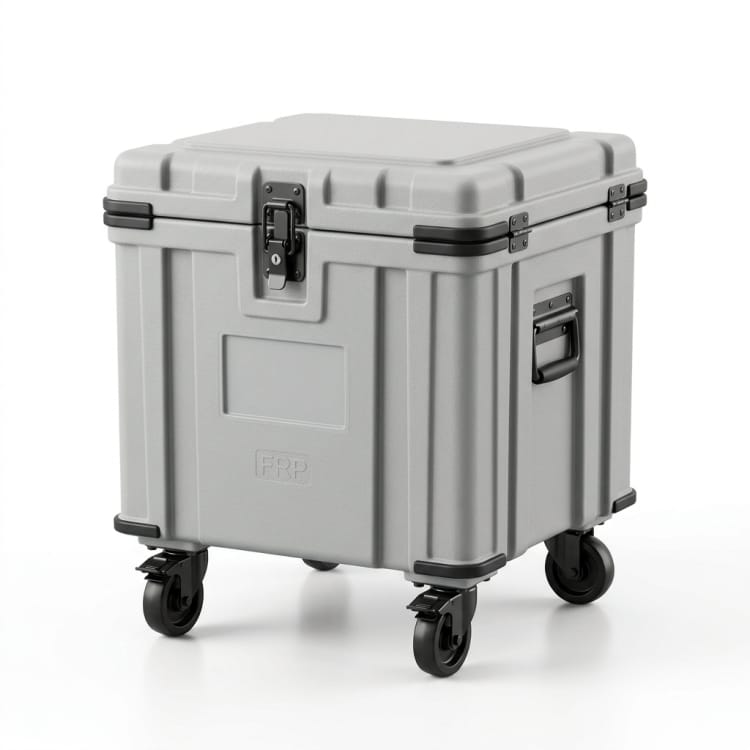
Modular Panel and Duct-Collar Fabrication

The part is produced using modular FRP panel fabrication with reinforced doors, duct collars, base edges, and field joints. Particular care is given to duct connections, air inlets, process penetrations, base seal, drains, equipment removal, and site assembly so later drilling, assembly, and service remain practical.

  • Apply modular FRP panel fabrication with reinforced doors, duct collars, base edges, and field joints
  • Build for duct connections, air inlets, process penetrations, base seal, drains, equipment removal, and site assembly
03

Air Path, Base, and Field-Joint Check

Before packing, the agreed inspection covers module fit, door operation, duct and process openings, base detail, drainage, lifting points, and assembly sequence. Results are recorded to the level specified in the purchase package, without implying system certification.

  • Check module fit, door operation, duct and process openings, base detail, drainage, lifting points, and assembly sequence
  • Protect the finished odor enclosure for shipment

Scope at a glance

Applications + Custom Options

Applications

Where this odor enclosure adds value

This odor enclosure is intended for a corrosion-conscious contained space linked to a designed extraction system. It is most relevant when enclosure footprint, wall and roof modules, door positions, internal clearance, and sectional joints must work with duct connections, air inlets, process penetrations, base seal, drains, equipment removal, and site assembly under gas and chemical composition, humidity, negative pressure, UV, wind, washdown, temperature, and operator access.

  • Built for wastewater headworks, composting plants, and industrial odor-control systems
  • Suited to a corrosion-conscious contained space linked to a designed extraction system
  • Defined by enclosure footprint, wall and roof modules, door positions, internal clearance, and sectional joints
  • Evaluated against gas and chemical composition, humidity, negative pressure, UV, wind, washdown, temperature, and operator access

Custom options

Options for the odor enclosure

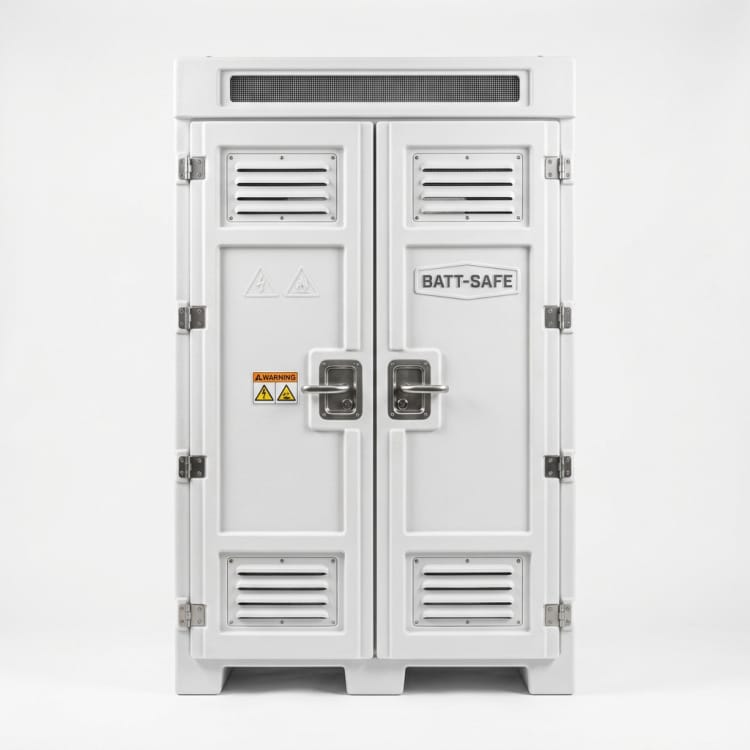
Buyers can define enclosure footprint, wall and roof modules, door positions, internal clearance, and sectional joints. The quotation can also include duct connections, air inlets, process penetrations, base seal, drains, equipment removal, and site assembly, plus surface, inspection, quantity, and packing requirements appropriate to the program.

  • Shape and envelope: enclosure footprint, wall and roof modules, door positions, internal clearance, and sectional joints
  • Assembly details: duct connections, air inlets, process penetrations, base seal, drains, equipment removal, and site assembly
  • Service conditions: gas and chemical composition, humidity, negative pressure, UV, wind, washdown, temperature, and operator access
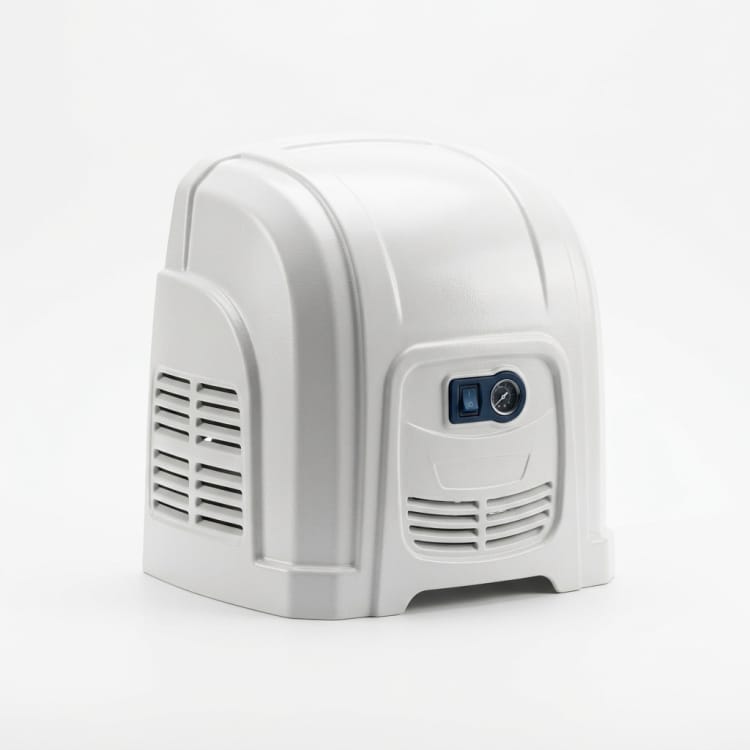
  • Visible finish, color or weave intent, inspection records, packing, and order quantity

Browse nearby applications using the same category and manufacturing approach.

Need to know

Common buyer questions

Which gas-stream and extraction data is required?

Provide the current CAD model or drawing plus the mating assembly. We use those records to establish enclosure footprint, wall and roof modules, door positions, internal clearance, and sectional joints and flag any missing datum or clearance before manufacture.

Can large enclosures be supplied as field-assembled modules?

Yes, where the supplied assembly data supports it. We review duct connections, air inlets, process penetrations, base seal, drains, equipment removal, and site assembly and return any unresolved fit or access question before the build is released.

How are process penetrations and the base perimeter handled?

Buyer-controlled drawings define each duct, pipe, cable, and equipment penetration together with sleeves, flanges, seals, movement allowances, drains, and removable access. The base detail can incorporate specified curbs, seals, anchors, and drainage provisions; containment, extraction, and site-civil performance remain the buyer's responsibility.