Expert FRP Manufacturer

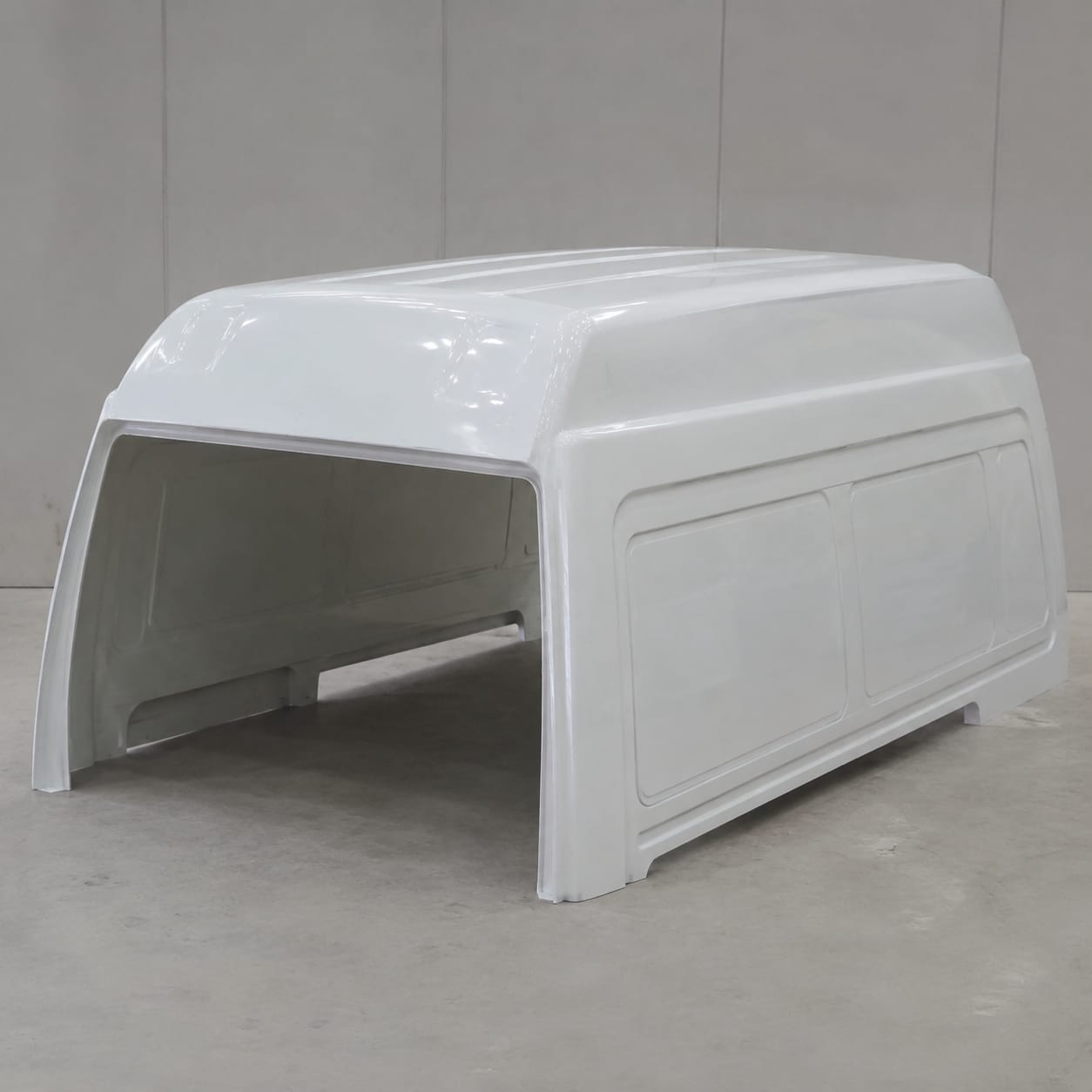
FRP Van High Roof Shell

Developed for cargo, passenger, and conversion vans requiring increased standing height, this composite part reproduces a high crown and front transition from buyer-controlled vehicle data. We form and trim the panel around the original roof cut and reinforcement frame, stable edge returns, functional openings, and the requested level of surface preparation.

FRP Van High Roof Shell

Production Scope

Custom FRP Van High Roof Shell

Material

FRP Composite

Finish

Project-Specified Paint-Ready Surface

Order Type

Prototype to Low-Volume Batch

How we make it

Van High Roof Shell Surface-to-Part Manufacturing Process

The Van High Roof Shell moves from vehicle-surface and package review through mold construction, composite layup, trimming around the original roof cut, fit-reference inspection, surface preparation, and protective packing.

01

Van High Roof Shell Vehicle Data and Fit Review

Review a high crown, front transition, side returns, rear-door connection, and optional vent openings, neighboring body data, and installation requirements for the original roof cut, reinforcement frame, windshield header, rear doors, seals, interior trim, and roof equipment. The buyer package must define trim lines, gaps, openings, seals, mounting references, clearances, and the surface-preparation target.

  • Review a high crown and front transition in the vehicle package
  • Mark trim lines, gaps, openings, and the original roof cut
02

Van High Roof Shell Mold and Composite Forming

Build the mold around the released a high crown, then form the panel with specified laminate, reinforcement, returns, inserts, and openings required for the original roof cut and reinforcement frame and safe downstream handling.

  • Capture the released a high crown surface
  • Build stable edges, returns, and mounting areas
03

Van High Roof Shell Fit References and Packing

Inspect trim edges, specified gaps, mounting locations, the original roof cut, and the prepared visible surface. Protect the panel's edges and finish for buyer-led fitment, final painting where required, and vehicle-level validation.

  • Check trim, openings, mounts, and visible surfaces
  • Verify references around the original roof cut and reinforcement frame

Scope at a glance

Applications + Custom Options

Applications

Vehicle Programs for the Van High Roof Shell

This part is intended for cargo, passenger, and conversion vans requiring increased standing height. It is supplied as a buyer-specified composite body component for vehicle development, conversion, restoration, replacement, or low-volume production, with final vehicle integration controlled by the buyer.

  • Applicable to cargo, passenger, and conversion vans requiring increased standing height.
  • The molded surface and local forms may include a high crown, front transition, side returns, rear-door connection, and optional vent openings.
  • Edges, openings, and attachments must relate correctly to the original roof cut, reinforcement frame, windshield header, rear doors, seals, interior trim, and roof equipment.
  • Projects may use released CAD surfaces, scan data, a reference vehicle, or a sample part, with buyer-led fit reviews before repeat production.

Custom options

Van High Roof Shell Surface, Edge, and Mounting Options

Buyer CAD, scan data, or a reference assembly sets the visible surface and surrounding package. The installation design then defines edge returns, trim lines, gaps, openings, reinforcement, brackets, removable features, and the required paint-preparation stage.

  • Reproduce a high crown, front transition, side returns, rear-door connection, and optional vent openings from the buyer's released class-A, scan, or reference surface.
  • Set clearances, trim edges, and attachment provisions around the original roof cut, reinforcement frame, windshield header, rear doors, seals, interior trim, and roof equipment.
  • Form or machine vents, lamp or glazing apertures, service cutouts, drain points, fastener holes, and removable areas shown in the installation package.
  • Specify the color reference, texture, gloss, edge finish, primer or paint-preparation level, inspection method, and protected packing.

Browse nearby applications using the same category and manufacturing approach.

Need to know

Common buyer questions

Can the Van High Roof Shell be matched to our CAD, scan, or reference vehicle?

Yes. We can develop the part from released CAD surfaces, scan data, a reference assembly, or a sample panel showing a high crown and front transition. The buyer must provide controlled fit references for the original roof cut and reinforcement frame and neighboring bodywork.

Can mounting features and functional openings be included in the Van High Roof Shell?

Yes. We can form or trim buyer-defined returns, brackets, inserts, fastener holes, and functional openings associated with the original roof cut, reinforcement frame, windshield header, rear doors, seals, interior trim, and roof equipment. Their locations, clearances, attachment loads, and installation method must come from the vehicle developer.

Does the Van High Roof Shell include vehicle-level compliance or crash validation?

No. GFIND supplies the composite part to buyer drawings and inspection references. Final fitment, attachment design, structural suitability, road compliance, crash assessment where applicable, and complete-vehicle validation remain with the buyer or vehicle OEM.