Carbon Fiber Prosthetic Foot Plates
These carbon plates form an underfoot component within an orthotic or prosthetic device. Left and right outlines can be flat or arched, with a heel attachment area or a split forefoot. Plate thickness and carbon layup follow the device developer's component design.
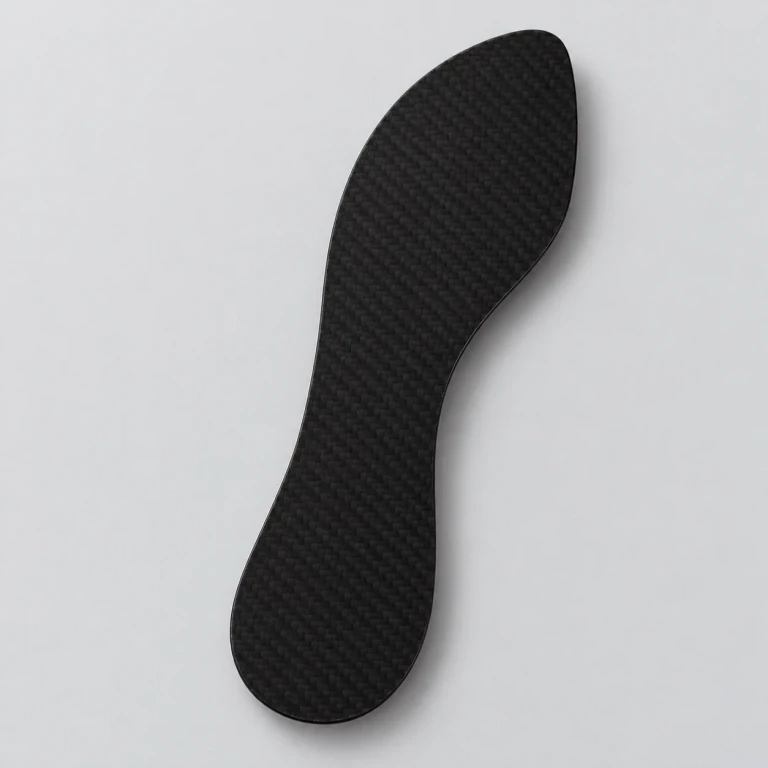
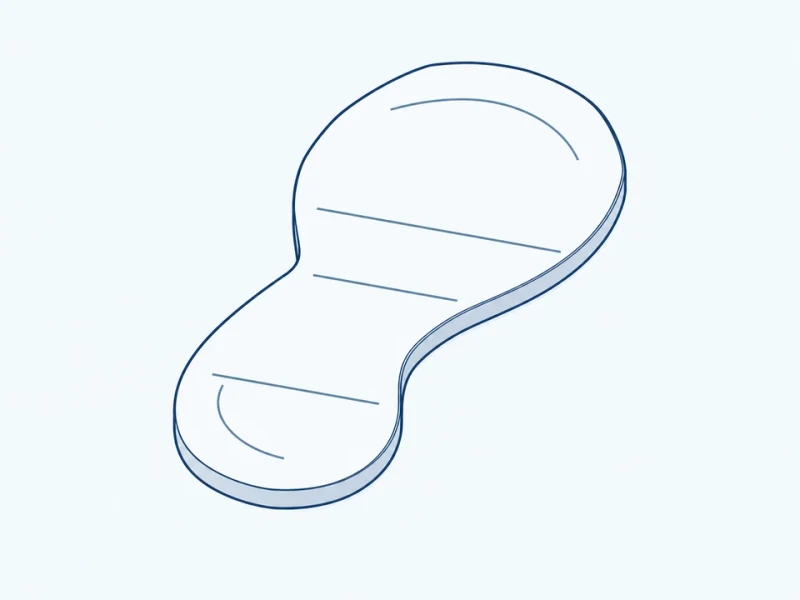
Flat carbon foot plate with an asymmetric toe, narrow waist and continuous rounded heel.
Image credit: ·
Foot-plate shapes
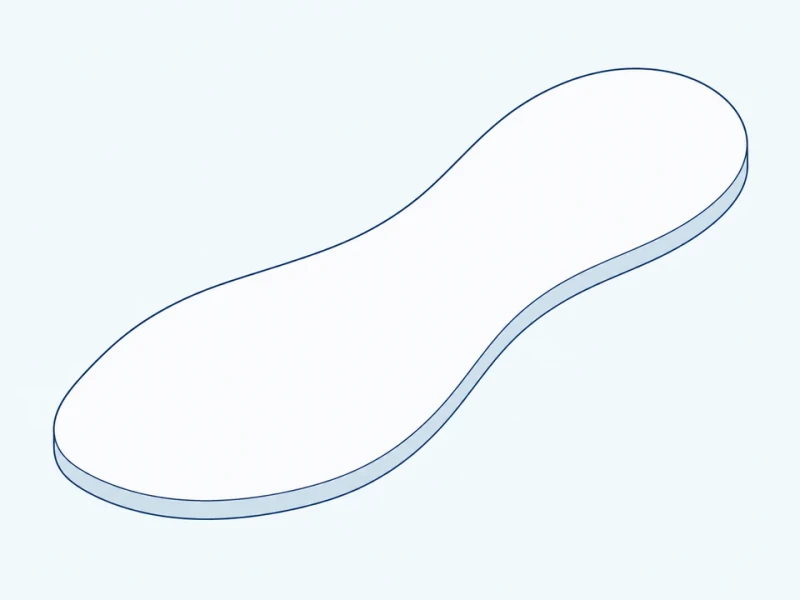
Flat continuous foot plate
This flat plate has a foot-shaped outline and smooth, continuous edges around the toe and heel.
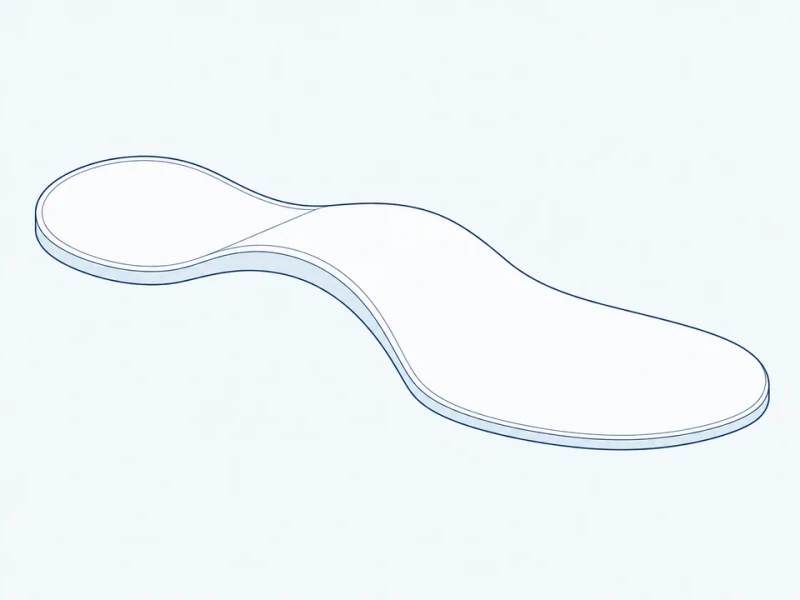
Contoured arch plate
The plate rises through the arch area rather than remaining flat along its length.
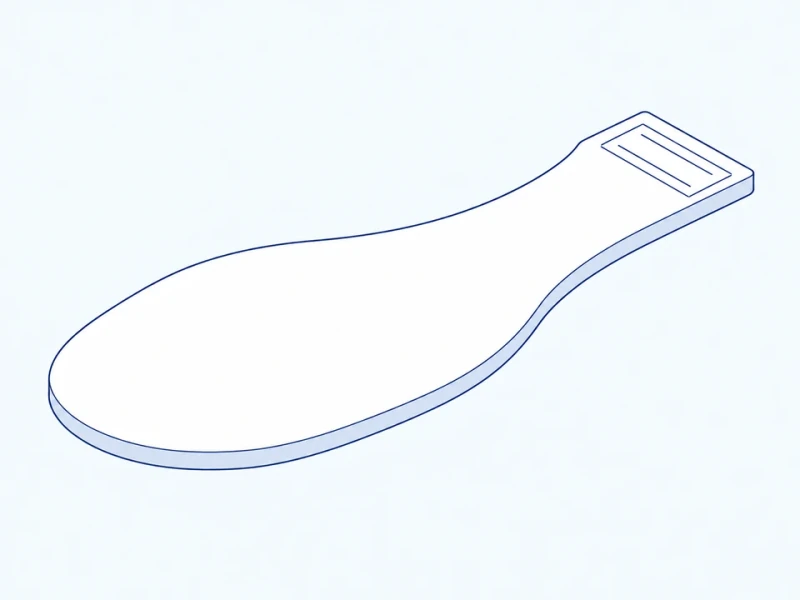
Defined heel attachment plate
A shaped heel area or hole pattern connects the plate to the adjoining device components.
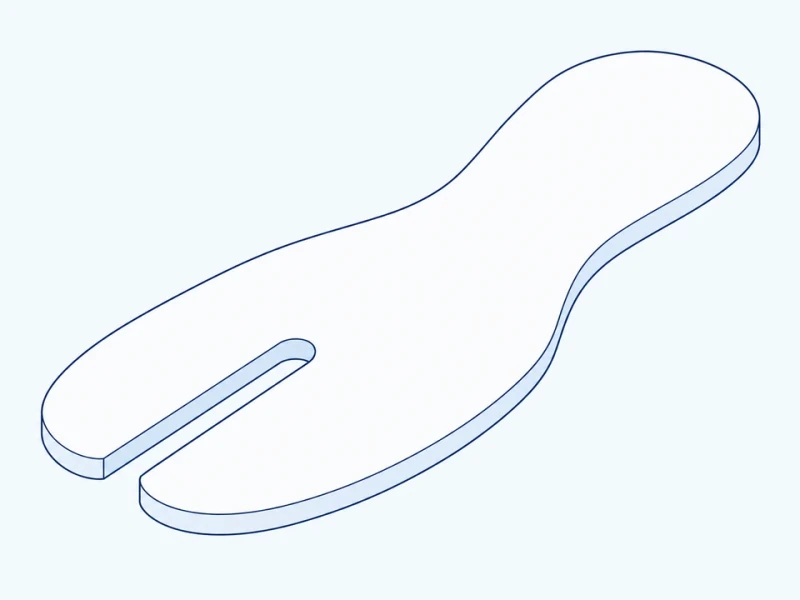
Split forefoot plate
A split divides the forefoot into two sections, with its length and rounded end formed to the component design.
Foot plates made to your design
Left and right outlines
We form the toe, waist and heel for each side from your plate drawing.
Arch and attachment areas
The arch profile, heel connection and forefoot split can be incorporated separately or combined within one plate.
Layup and edge surface appearance
Plate thickness and fiber layup follow your component specification, with finished perimeter edges.
Foot-plate outline and arch
Plate size and arch rise
The plan shows toe-to-heel length and forefoot width at the marked cross-section. The separate arch detail measures from the plane through the two end contacts to the upper crest.
Toe, waist and heel shape
Toe and heel radii, the narrowed waist and contact areas are shaped to fit your device.