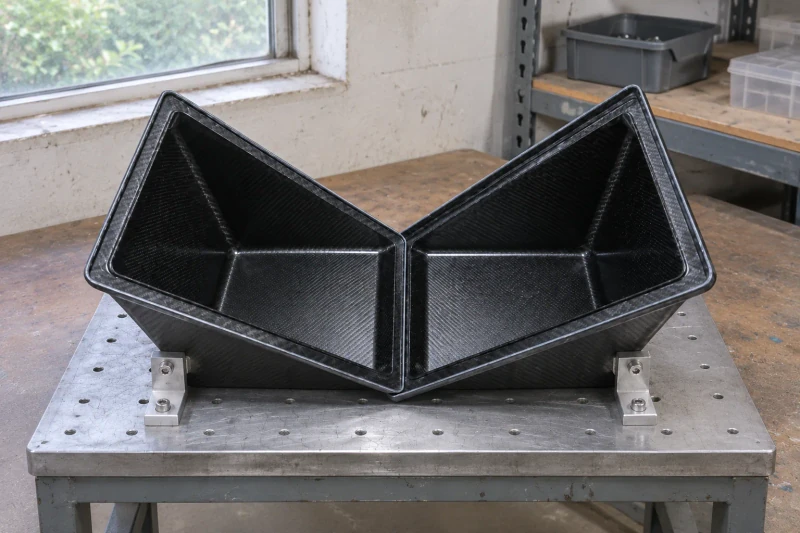
Carbon shells with fit and surface appearance considered together.
Custom carbon-fiber shells bring the hollow shape, perimeter rim and visible woven finish together. We develop the parts from your drawings and review a sample before repeat supply.
Mating rims, trimmed edges and fabric appearance are reviewed on the same shell geometry.
- We make
- Custom shell shape
- We coordinate
- Visible carbon weave
- You receive
- Samples and repeat parts
Make the angular shell fit and look consistent.
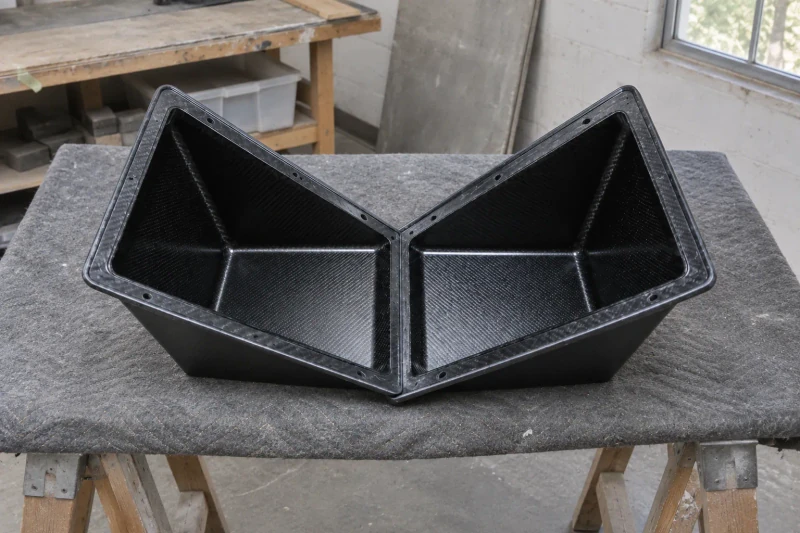
An angular shell presents two linked decisions: how it meets the rest of the assembly, and how the carbon weave looks across its faces and corners. The rim may need to join another part while the inside, outside or both remain visible in the finished product.
An angular shell meeting another part
Depth, wall angles and the perimeter rim need to fit the mating assembly.
Weave across visible corners
Fabric direction and gloss have to be considered on the actual shape rather than a flat finish sample alone.
Construction for the intended duty
Attachment details and laminate requirements depend on whether the shell is cosmetic or carries load.
How we customize the parts.
Hollow form and rim
Depth, angled walls and perimeter edges follow the mating-part drawing, including the space needed for the shell to fit into its assembly.
Visible weave
Fabric appearance, direction and gloss are agreed for the visible faces. The sample shows how that finish looks around the actual corners.
Attachment and purpose
Trimmed edges, openings and bonding or fixing areas match your assembly method. If the shell carries load, its construction and checks are agreed for that duty.
Make the review sample
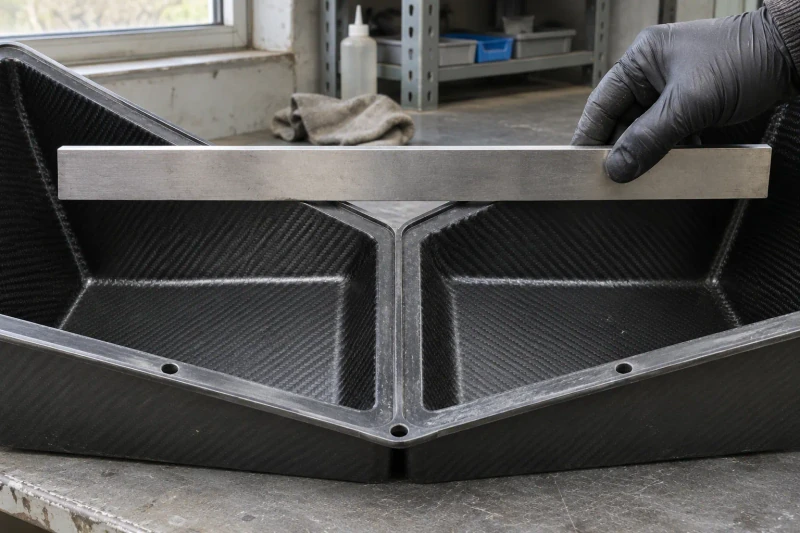
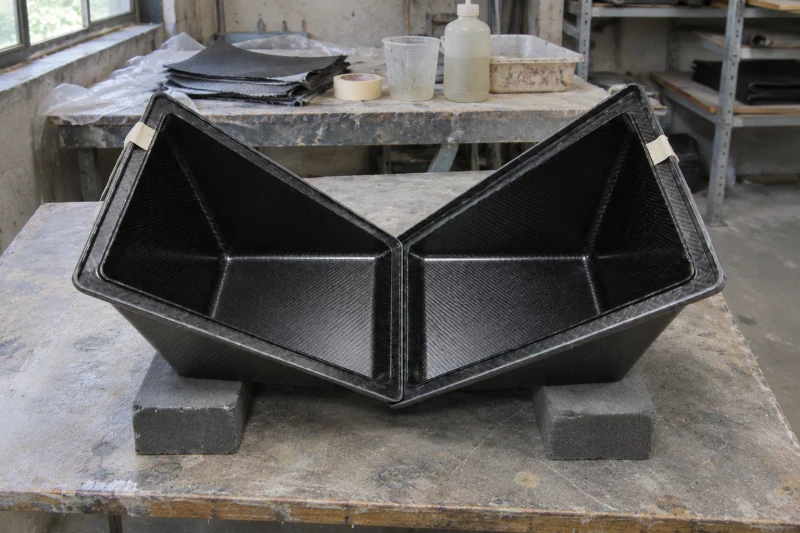
A first molded shell lets your team try the mating edges and inspect the weave around corners before a production batch is made. After sample review, we produce the agreed quantity, trim the specified features and pack the parts to protect their visible surfaces and edges.
A physical sample for reviewing shape and surface appearance.
The sample brings mating fit and visible weave onto the same physical part. The assembly team can review the rim and attachment areas while the design team agrees the fabric direction and finish for repeat shells.
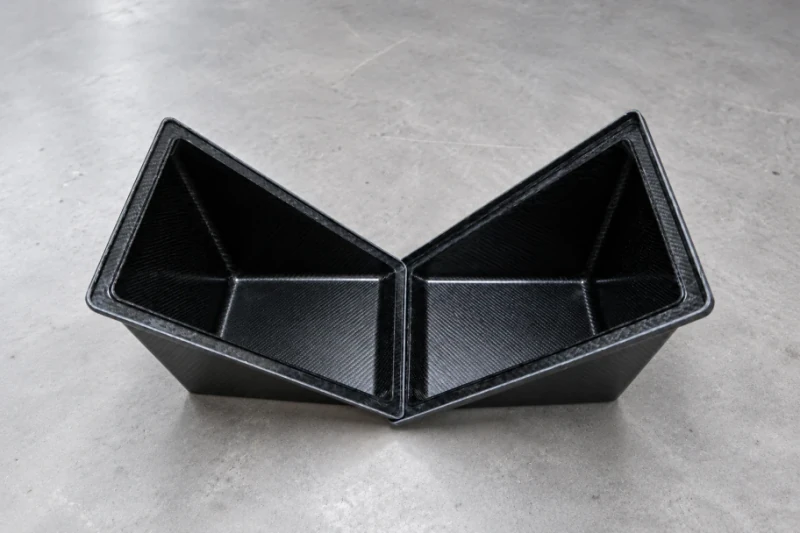
Fit and weave on the same sample
The physical shell brings mating geometry and appearance into one review.
Prepared assembly edges
Rims, openings and attachment areas follow the mating-part drawing.
One reference for the visible surfaces
Fabric direction and gloss are agreed on the actual shell shape.
Dimensions and design options
- Example forms
- Molded shells, covers and trays
- Surface
- Visible woven surface appearance where specified
- Laminate
- Agreed from your application and load requirements
Molded carbon part examples
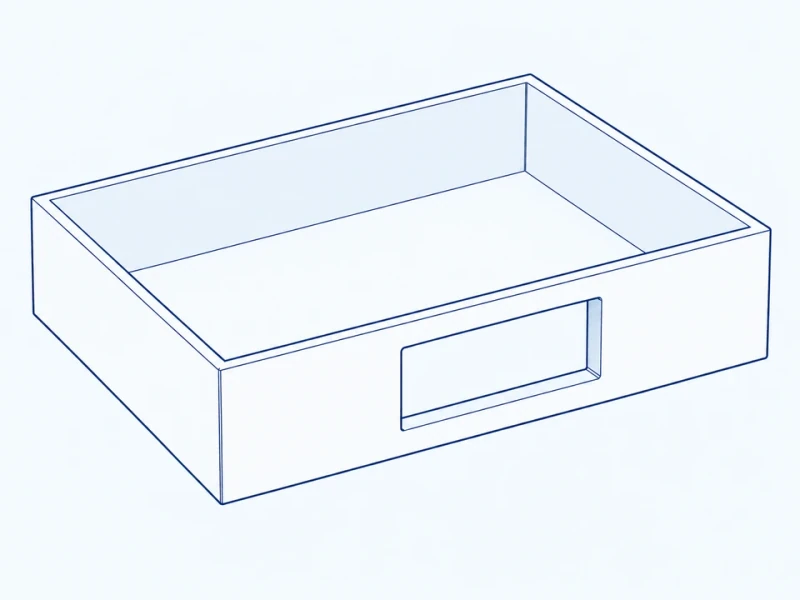
Open component tray
An open tray has a flat base and raised walls around the component area.
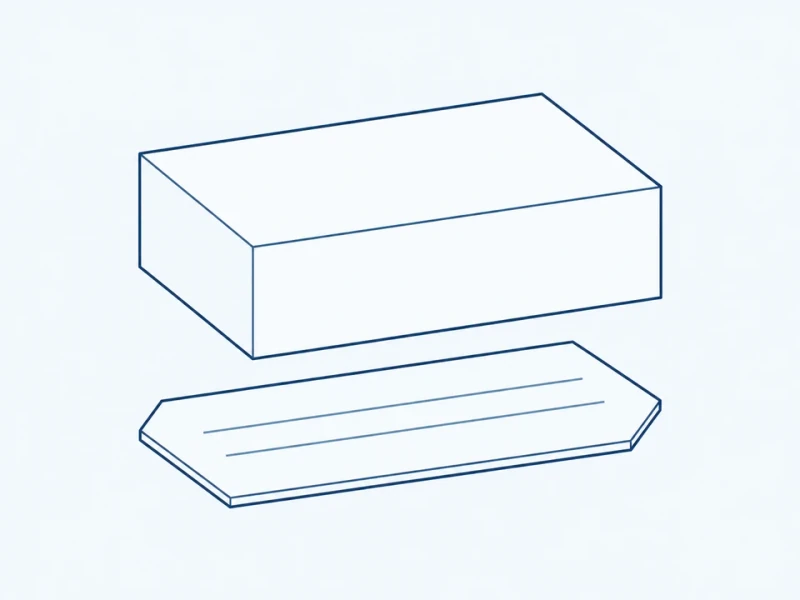
Removable molded cover
A hollow molded cover provides edges and fixing areas for a separate base.
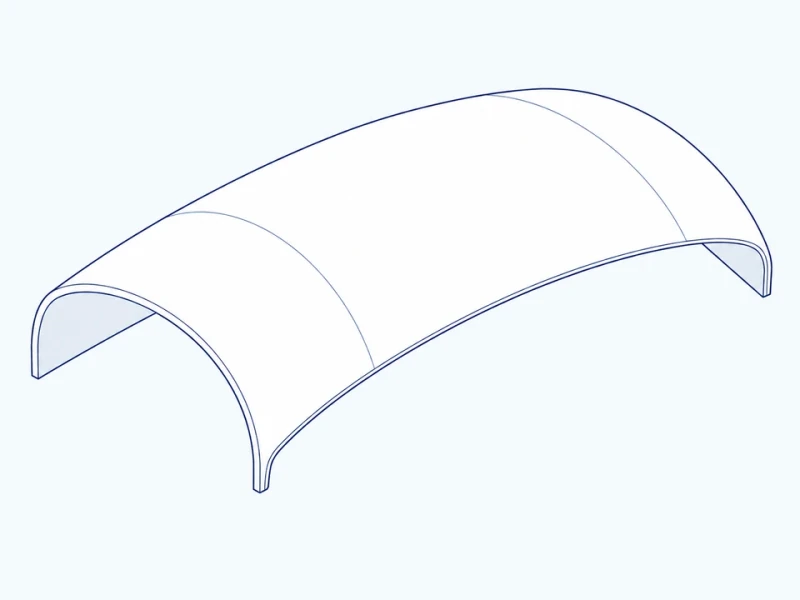
Curved cosmetic shell
A curved exterior shell carries carbon weave across its visible face.
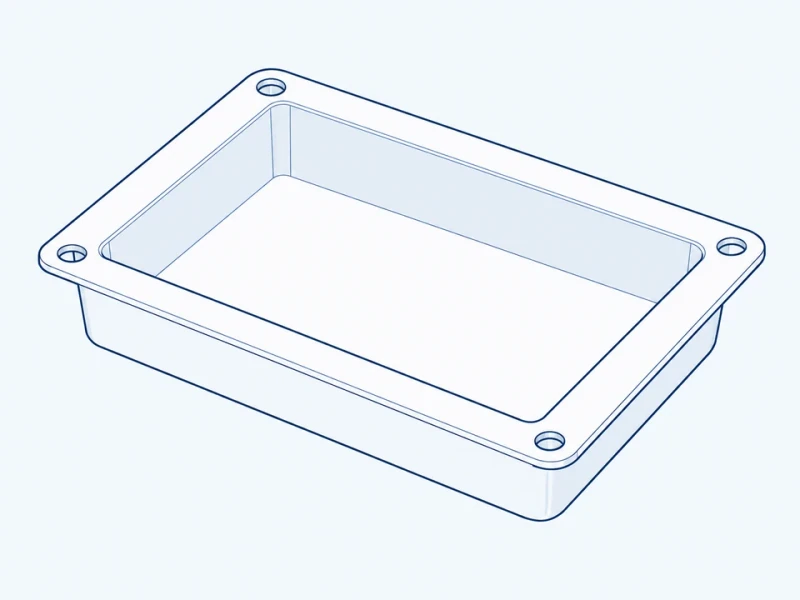
Reinforced mounting flange
A mounting flange provides the bolt areas and local reinforcement specified in the component drawing.
Custom carbon-shell details
Trimmed size and fixing pattern
Shell width, depth and fixing-hole spacing can be made to the part model for your assembly.
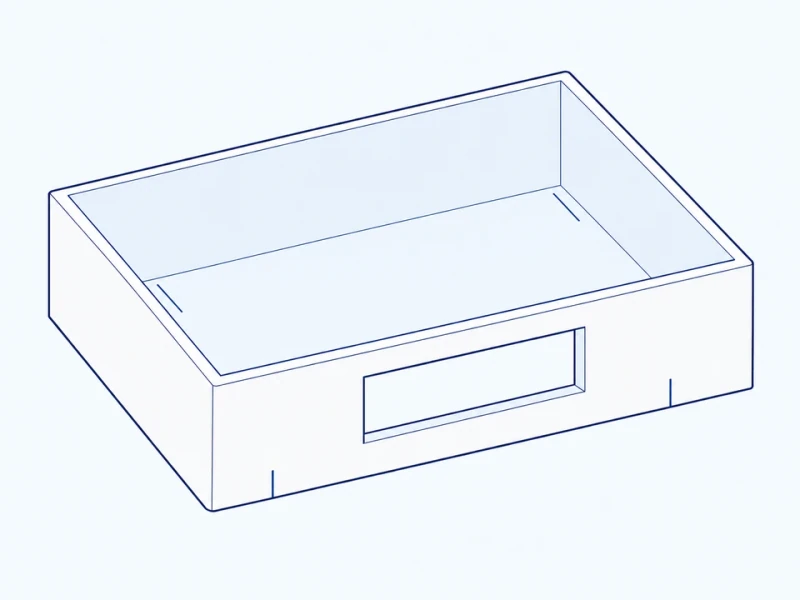
Open tray and side cutout
Open trays can be molded with rim returns, side openings and attachment areas for your equipment.