Carbon Fiber Rear Cabin Closure Panels
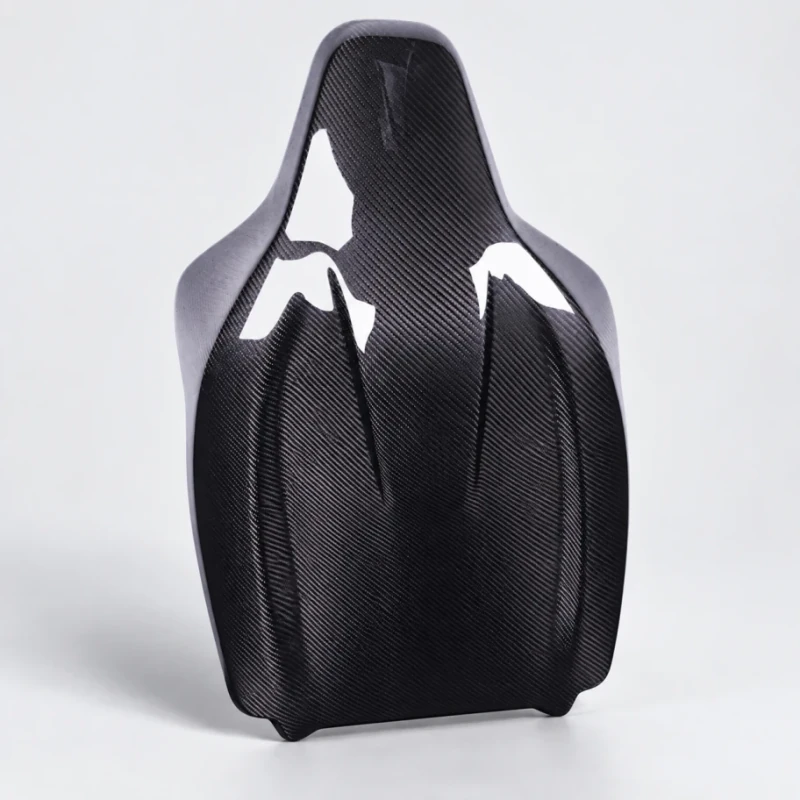
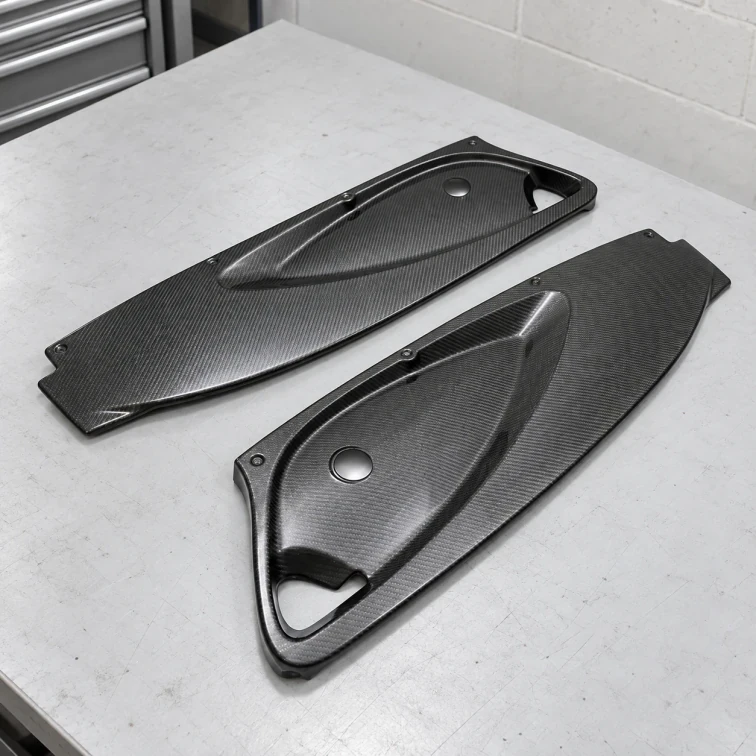
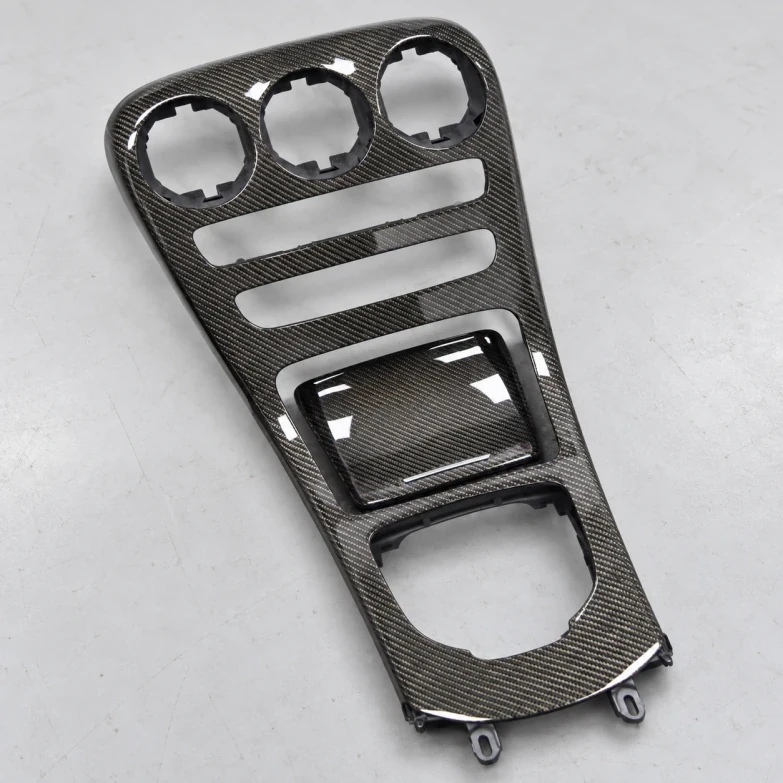
These carbon panels close off the rear-seat area of the cabin. A single molded panel or a divided set follows the surrounding trim and existing supports, with a removable hatch where equipment needs access. The panels are interior closures, rather than passenger seats or load-bearing floors.
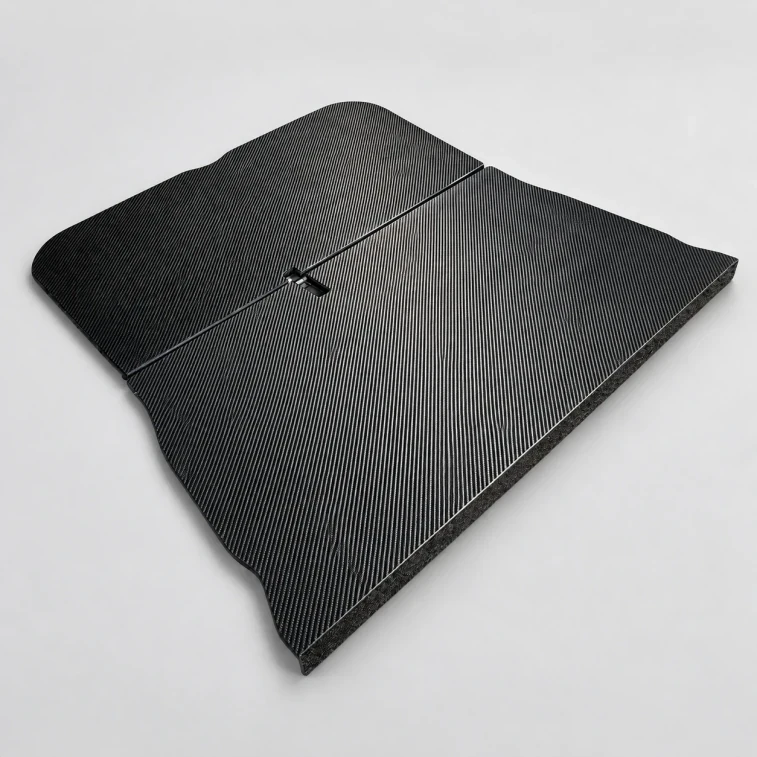
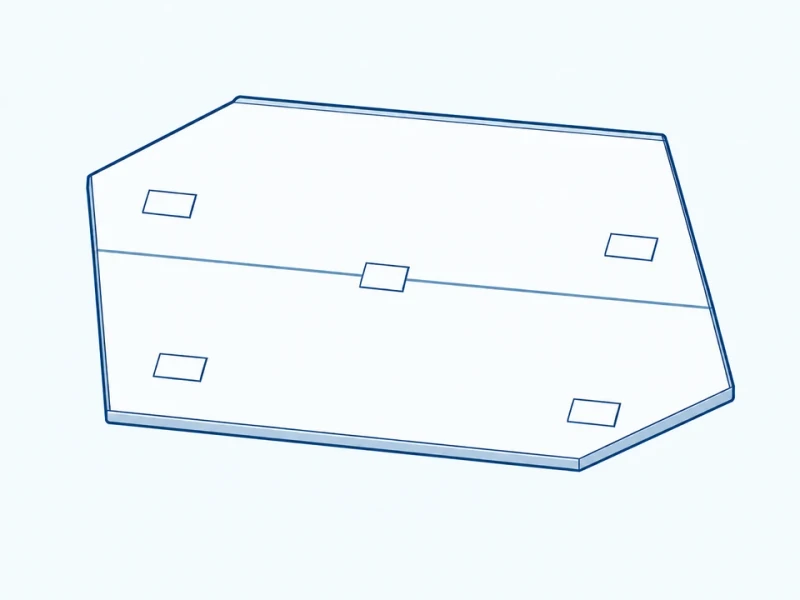
Two-piece carbon rear cabin closure panel with a central seam and small latch.
Image credit: ·
Rear-cabin panel layouts
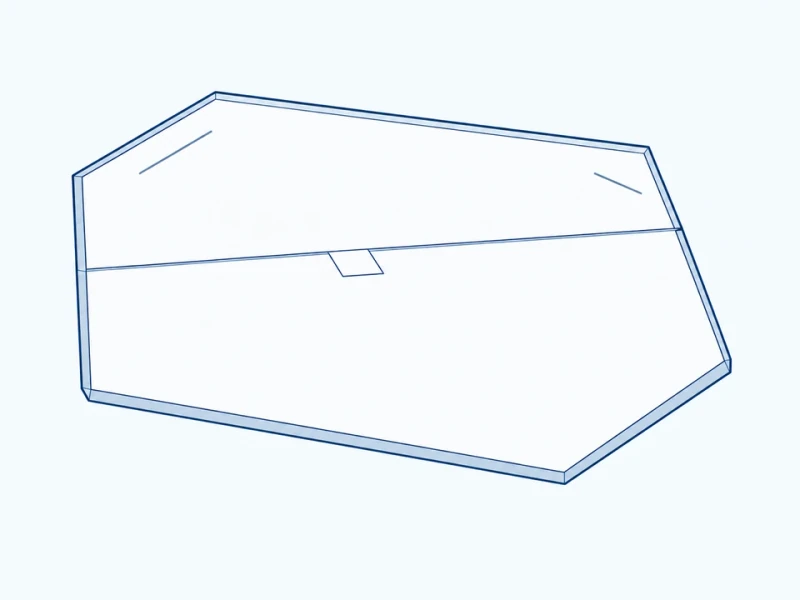
Two-piece bench-area closure
Two broad contoured panels join at a center seam, with a small latch where access is needed.
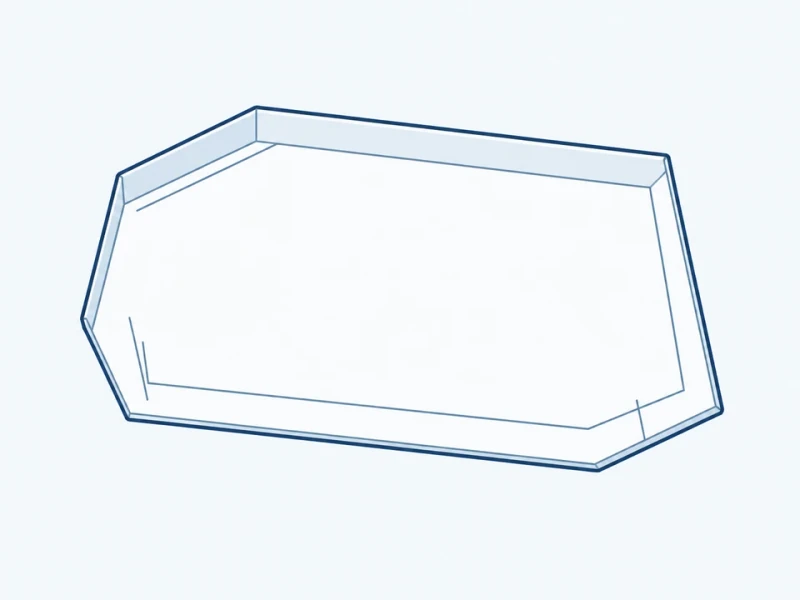
One-piece contoured closure
One contoured panel has continuous edges and support areas on the underside.
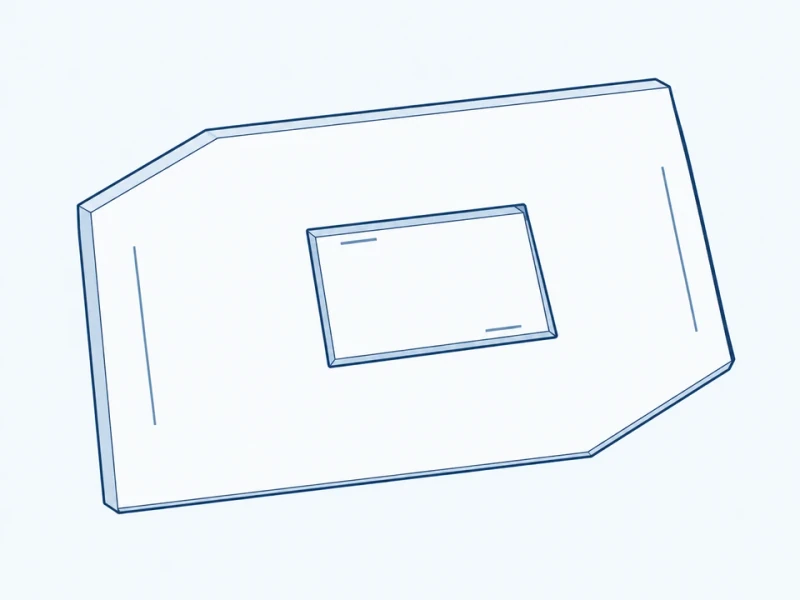
Closure with removable service hatch
This closure panel has a separate hatch that lifts out for access to equipment below.
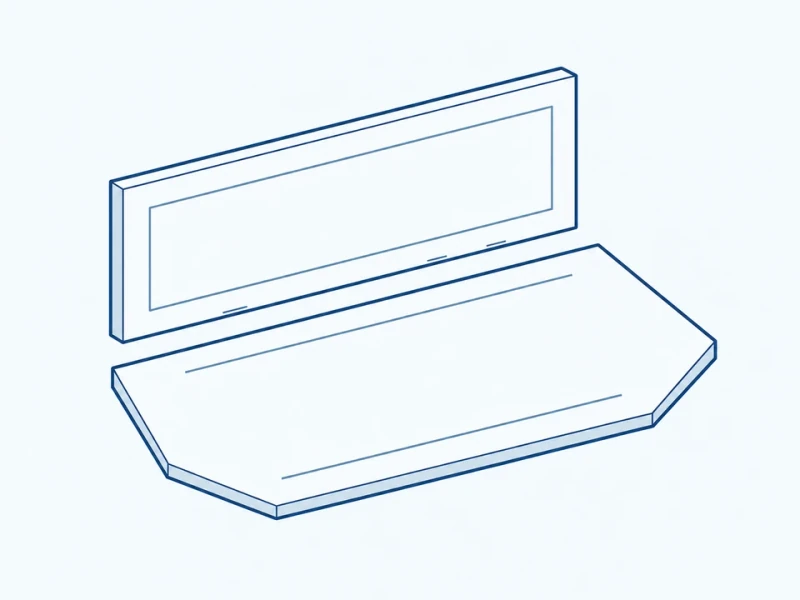
Vertical back and floor panel set
The separate floor and upright panels meet at the rear cabin wall.
Rear cabin panels made to your interior
Cabin contour
Panel edges and underside support contacts are shaped to your rear cabin reference.
Panel joints and fixings
Dividing the closure into sections creates seams where separate panels meet. Fixing holes connect each section to the existing cabin supports.
Access hatch and surface appearance
We can add a removable equipment hatch and match the weave and sheen across the panel set.
Rear-cabin closure and split line
Panel size and split position
The plan shows overall span and front-to-back depth. Lower-panel depth runs from the seam to the rear edge in the same plane.
Seam and fixing points
Separate faces meet along a seam, with their fixing areas resting on the retained cabin supports. An access hatch can be removed without disturbing the surrounding panel.