Environmental Sampling Enclosures
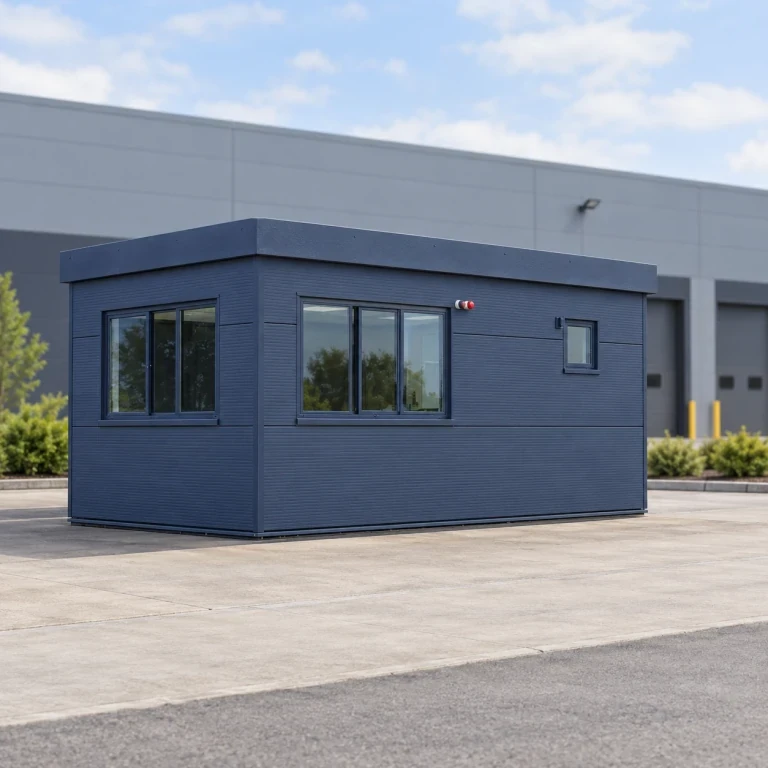
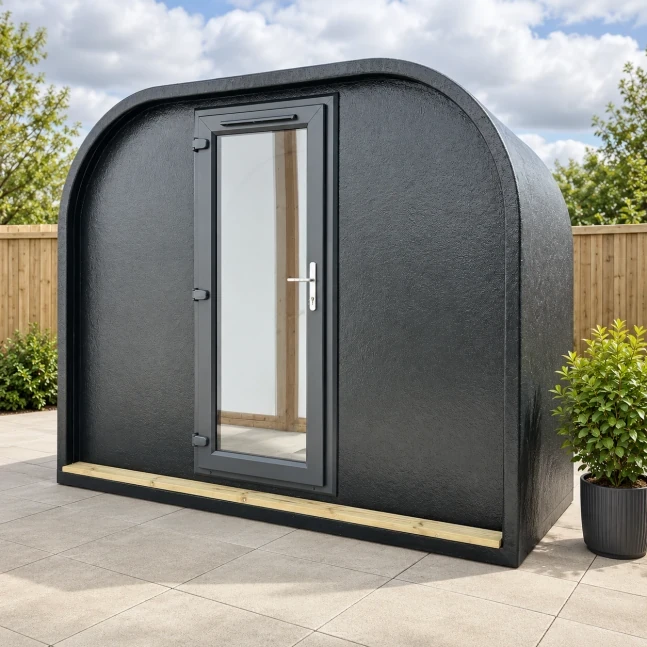
A sampling enclosure houses the instruments, sample tubing and utility connections at a monitoring point. The fiberglass shell can use paired access doors, a full-height replacement opening or separate wet and electrical bays. Walk-in versions leave an aisle for servicing the equipment.
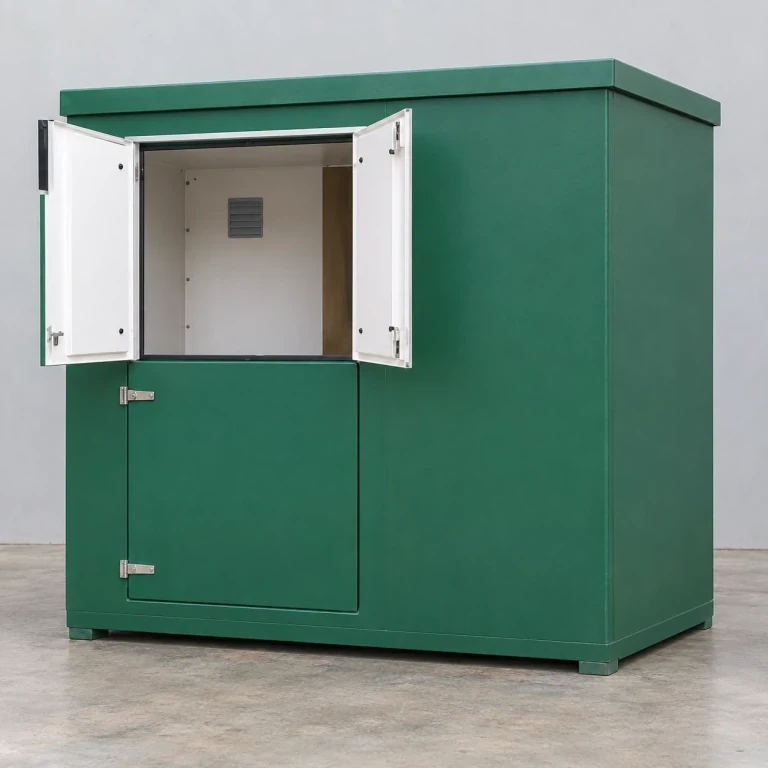
Green fiberglass equipment enclosure with paired upper service doors and separate lower access door.
Image credit: ·
Choose your sampler-enclosure format
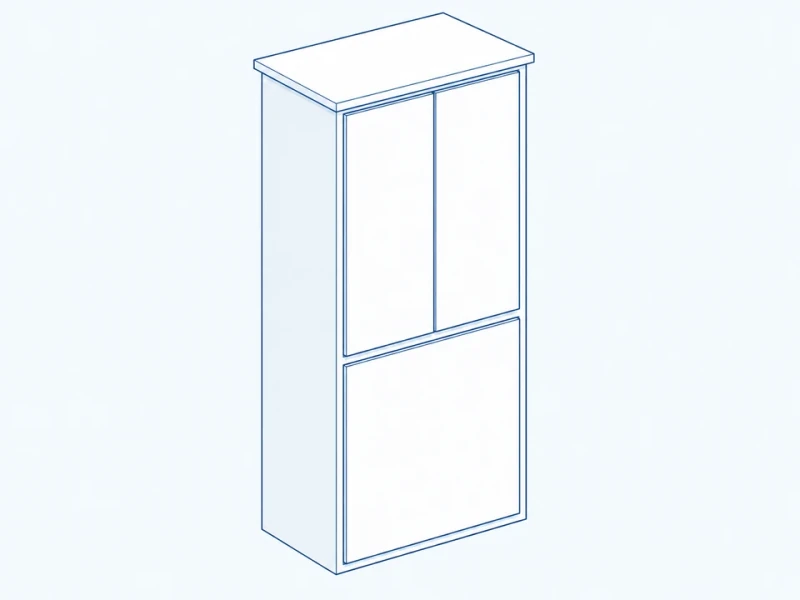
Upper service opening
Paired upper doors open to the instrument area, with a separate access door below.
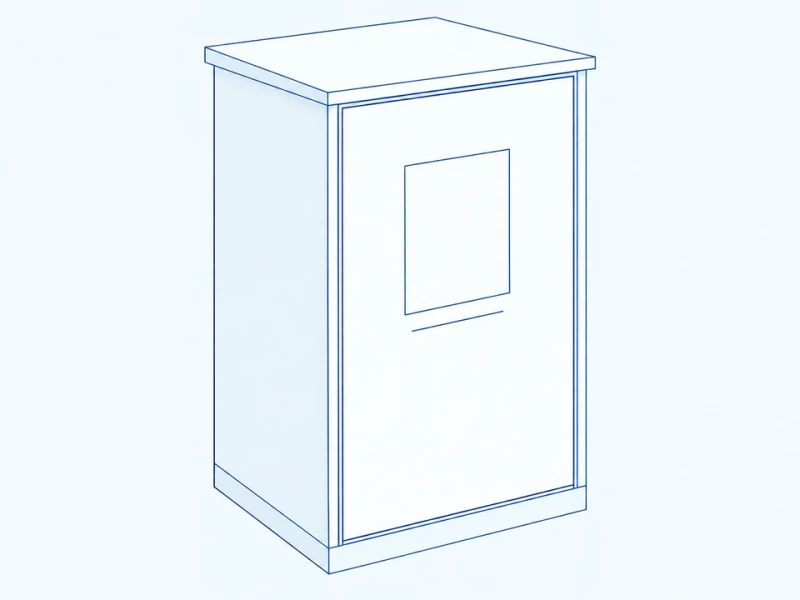
Full-height equipment door
A full-height opening can be sized for removing the sampler together with its backing plate.
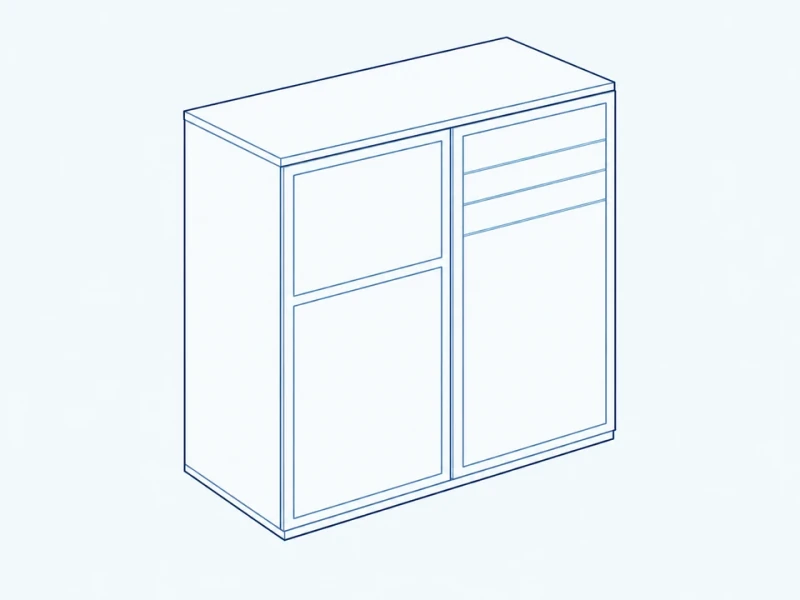
Separated wet and dry bays
Wet sample handling and electrical equipment sit in separate bays, each with its own door.
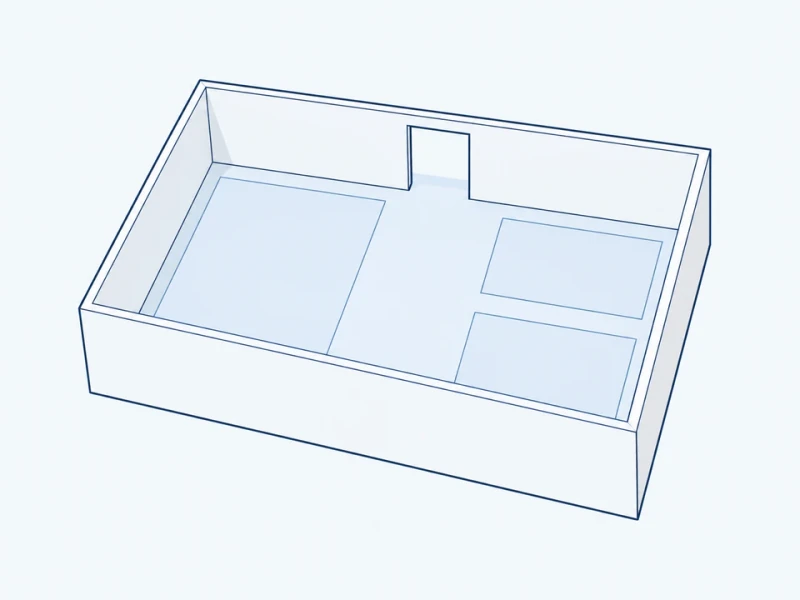
Walk-in service shell
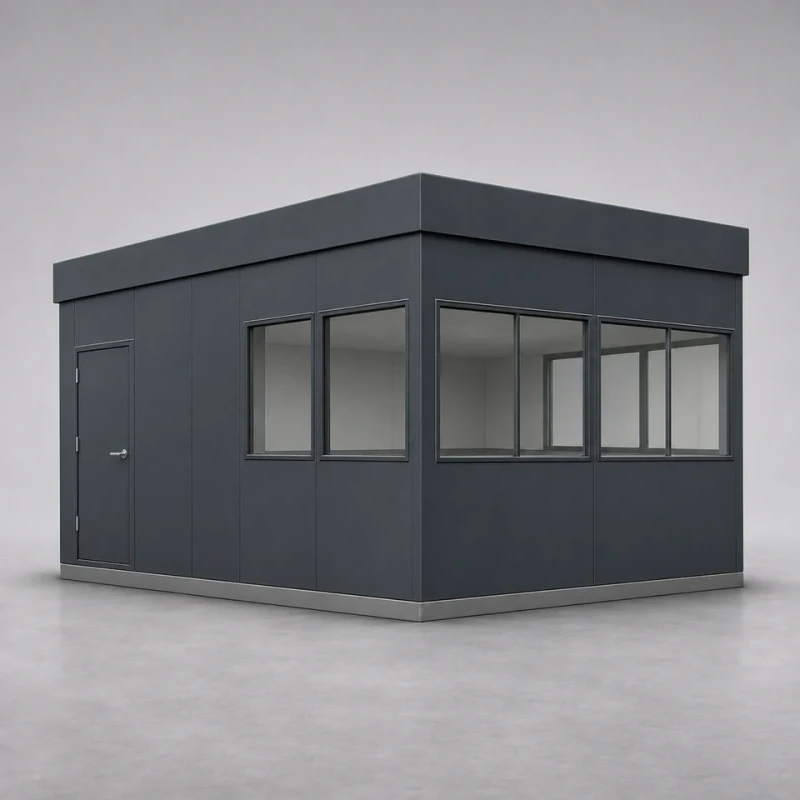
A walk-in shell has a standing service aisle, equipment base and personnel door.
Sampler cabinets and service shells
Cabinet and doors
Shell size and a paired or full-height door layout are made around your sampler and backing plates, so instruments can be removed and replaced.
Wet and dry bays, tubing entries
The shell can have separate wet and electrical bays, with sample-line entries and drain openings following their respective routes.
Mounts and inner surfaces
We prepare mounting areas for backing plates and base fixings, finish the inner faces for cleaning, and fit the specified door seals and exterior finish.
Sampler cabinet and utility entries
Service opening, equipment bay and entry zone
The drawing measures the combined upper-door opening and the width of the reserved utility-entry zone. Instrument replacement needs room for the sampler and its backing plate beyond routine hand access.
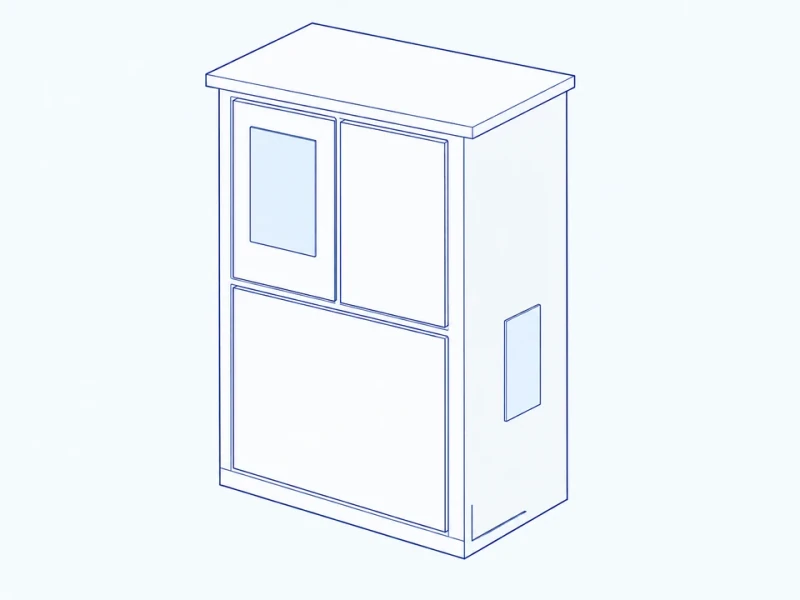
Upper doors and lower service panel
Two upper doors sit above a broad lower service panel. One door has a viewing area, and the side panel provides an area for tubing and cable entries.