FRP Heat Exchanger Covers
Sectional fiberglass hoods enclose the outside of a heat exchanger, with openings around fixed nozzles and removable faces for maintenance. Panel divisions and the removal route can be arranged for tube or bundle service.
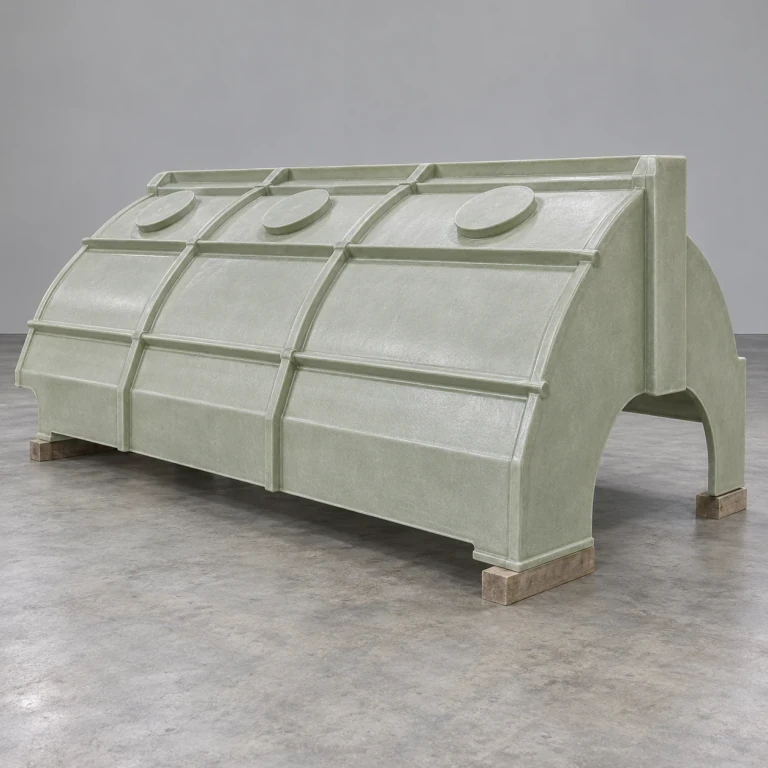
Sectional outer cover with raised joint bands, upper service caps and open lower returns.
Image credit: ·
Exchanger hood and access sections
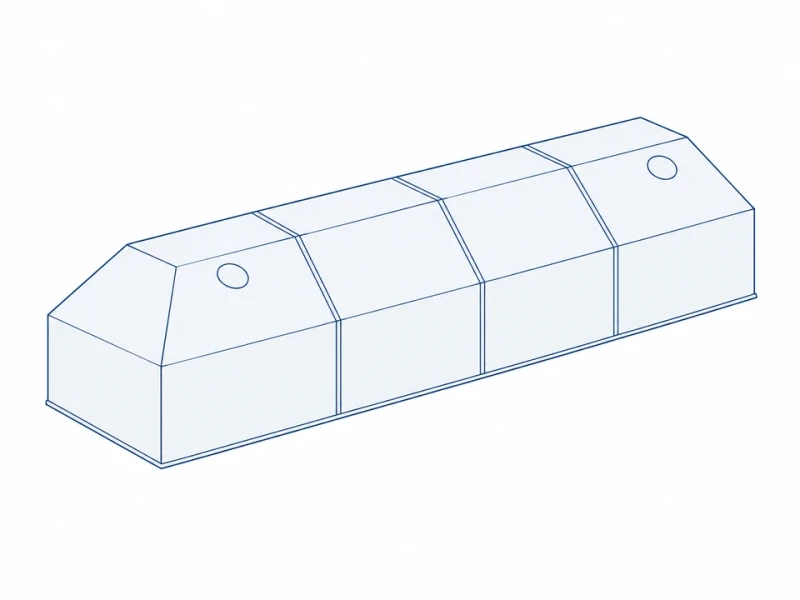
Sectional sloped hood
Sloped sections run along the exchanger, with breaks at support positions and each section sized for removal.
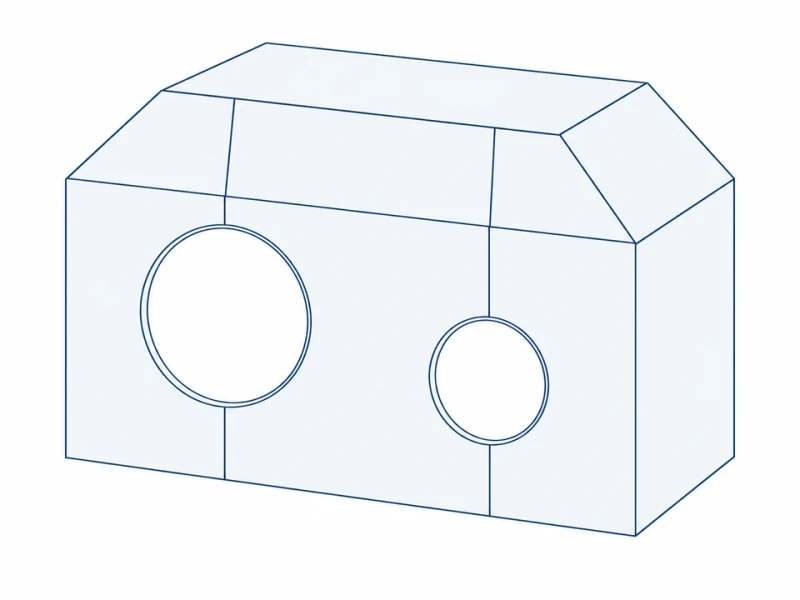
Nozzle end section
End sections are cut around fixed nozzles and adjoining pipework.
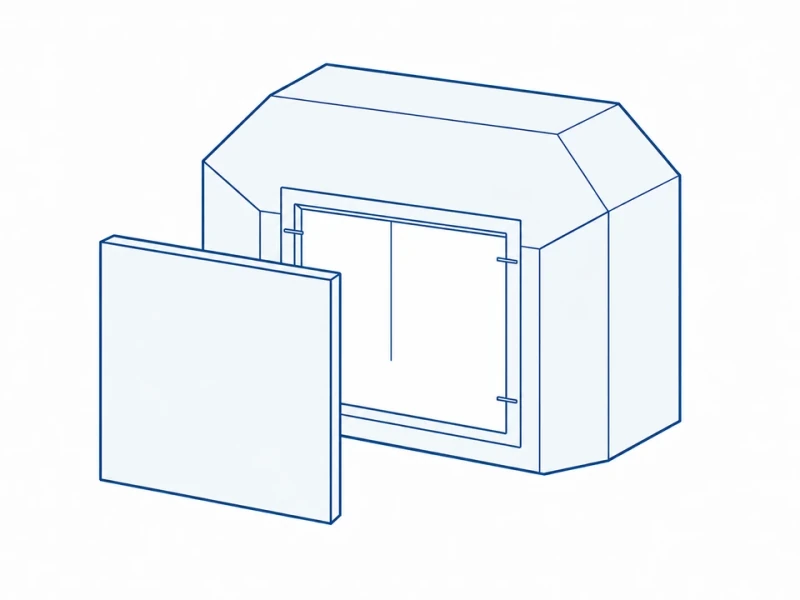
Bundle-removal front
A removable front opens the service route. Bundle withdrawal also depends on clearance past the retained cover sections and nearby equipment.
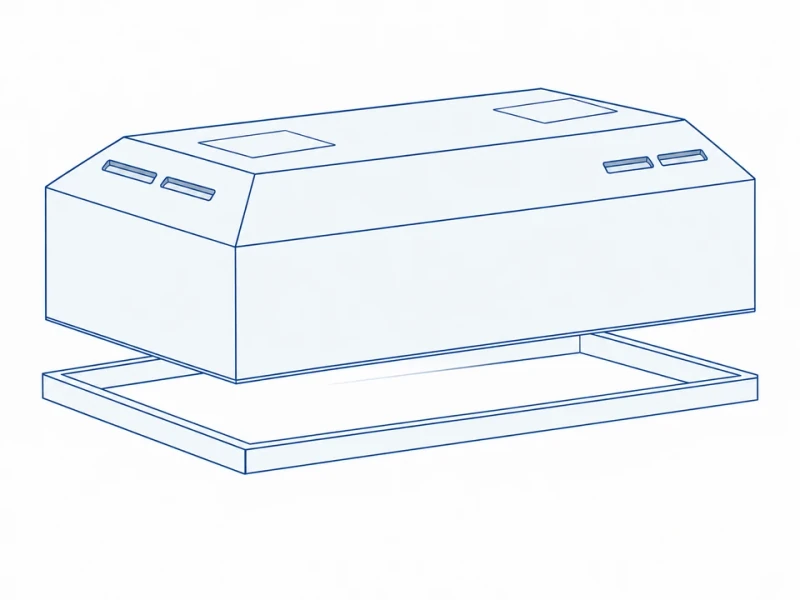
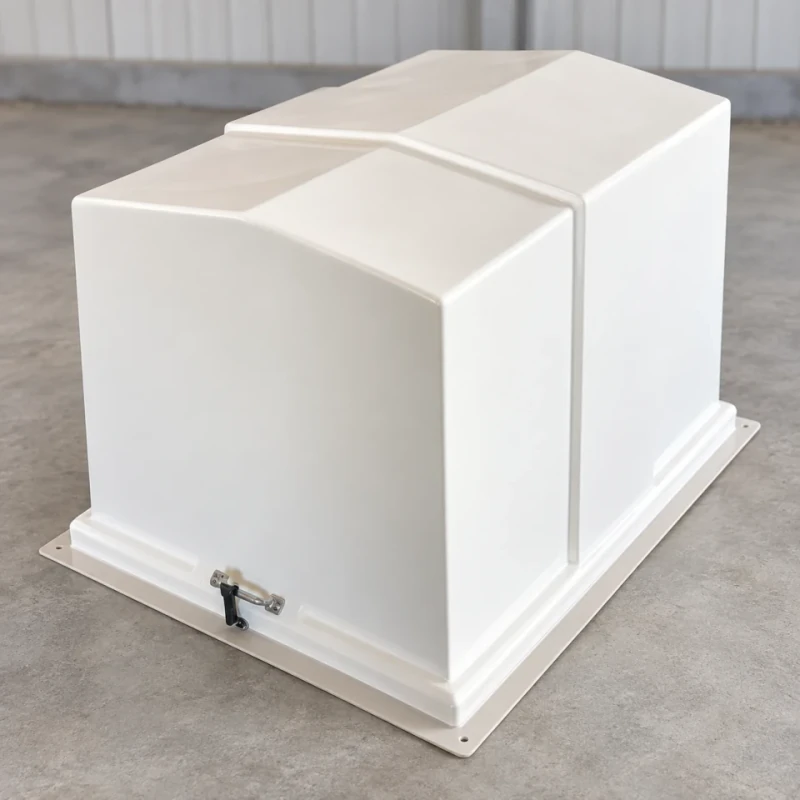
Lift-off vented cover
A lift-off hood has vents placed to match the equipment supplier's cooling layout.
Exchanger cover fabrication
Sectional shell
Hood and end sections are molded with reinforcement at the specified support and lifting points.
Nozzle and service openings
Nozzle passages and vents are trimmed to the equipment layout. The edges of removable panels leave room for the planned service movement.
Exterior and lining areas
The exterior receives the specified color, with finished mating edges between sections. Inner attachment areas can accommodate separately specified insulation; the outer casing does not replace the exchanger’s pressure bonnet or engineered hot-surface insulation.
Exchanger access and clearances
Removal opening and pipe fit
The elevation measures the clear removal opening and the gap from the inner roof to the dashed exchanger envelope. The separate circular detail shows nozzle-opening diameter. FRP suitability, ventilation and separation depend on the actual operating and transient temperatures.
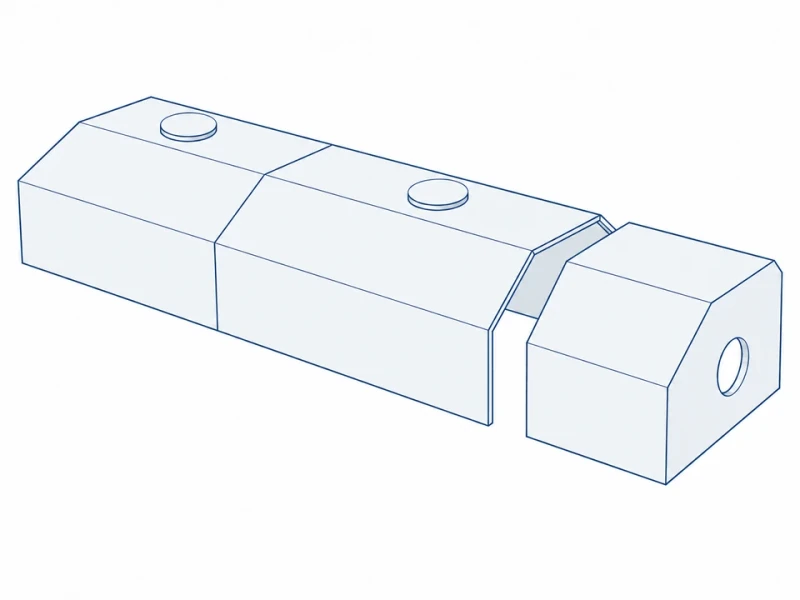
Sectional hood and separate end
Sloped cover sections, round top access covers and a removable end with pipe openings fit around the installed exchanger.