Solar Inverter Enclosures
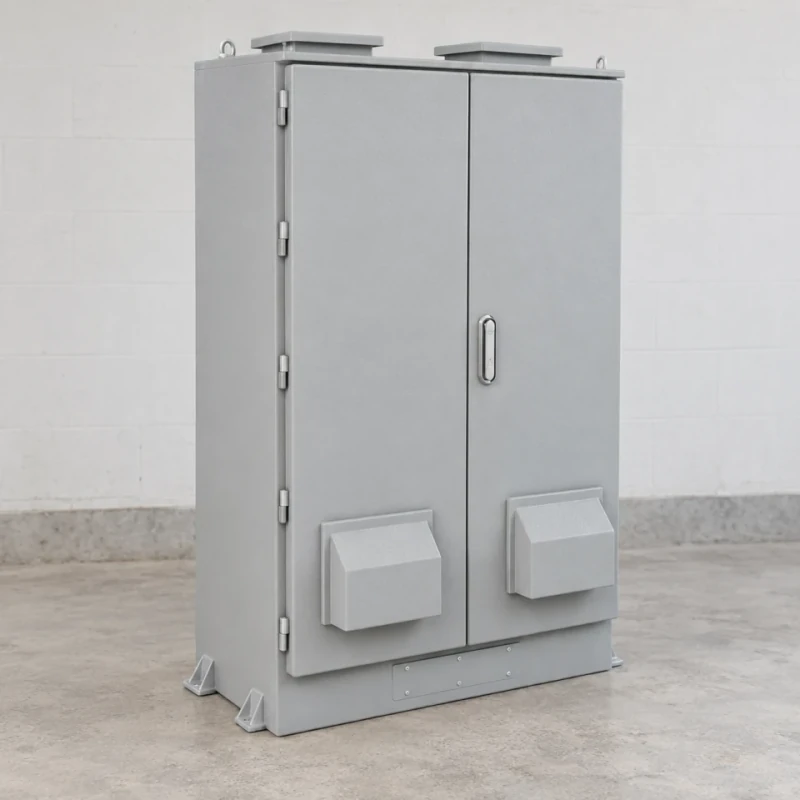
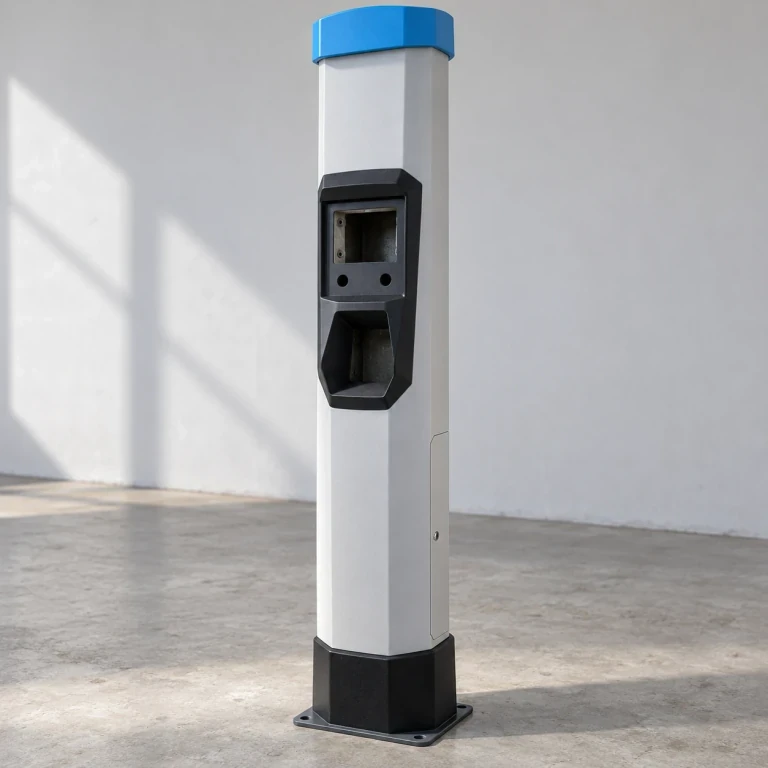
We make fiberglass housings for outdoor solar inverters. Vent openings, shade roofs and removable doors are arranged around the inverter manufacturer's cooling and service clearances. A raised base can provide space for cable entry.
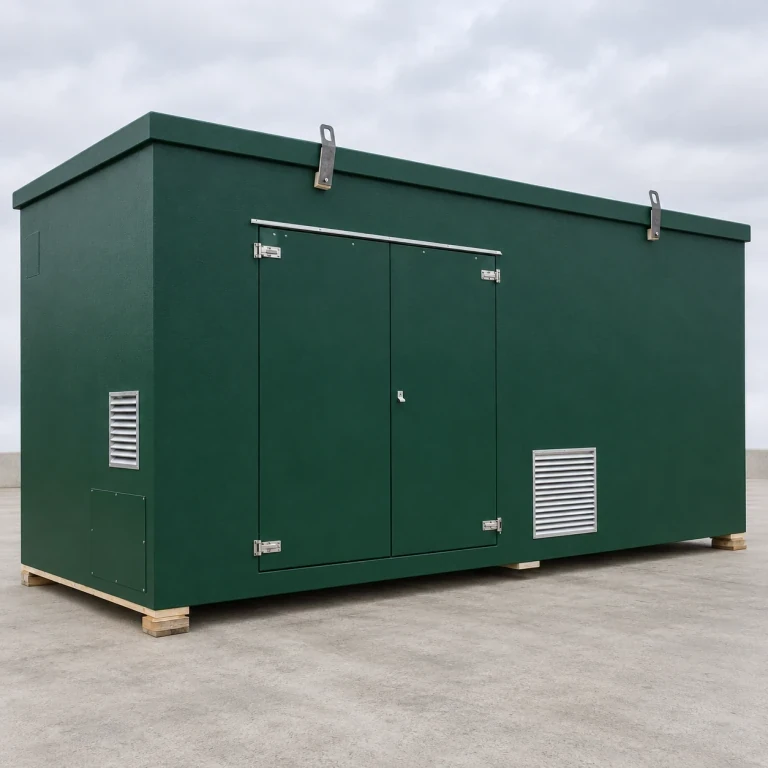
Broad service doors, side access panel, roof cap and separate air-opening panels.
Image credit: ·
Inverter enclosure styles
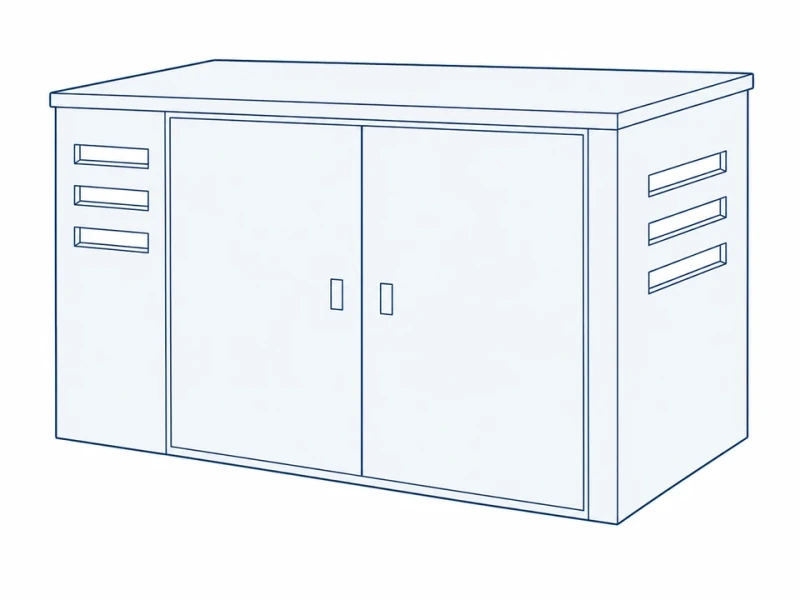
Vented service bay
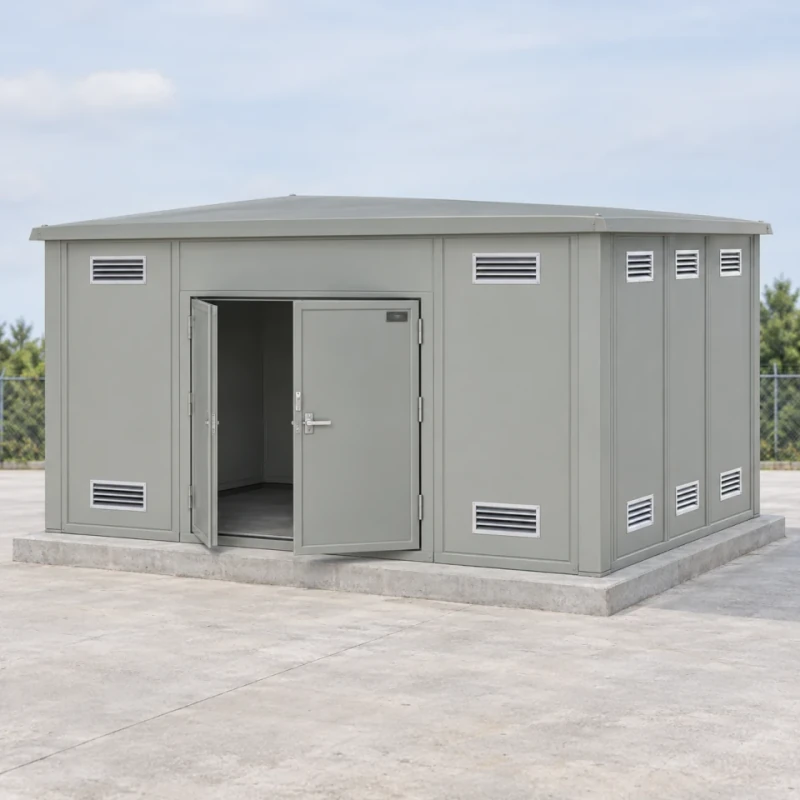
A vented bay has service doors and air openings placed to suit the inverter's cooling layout.
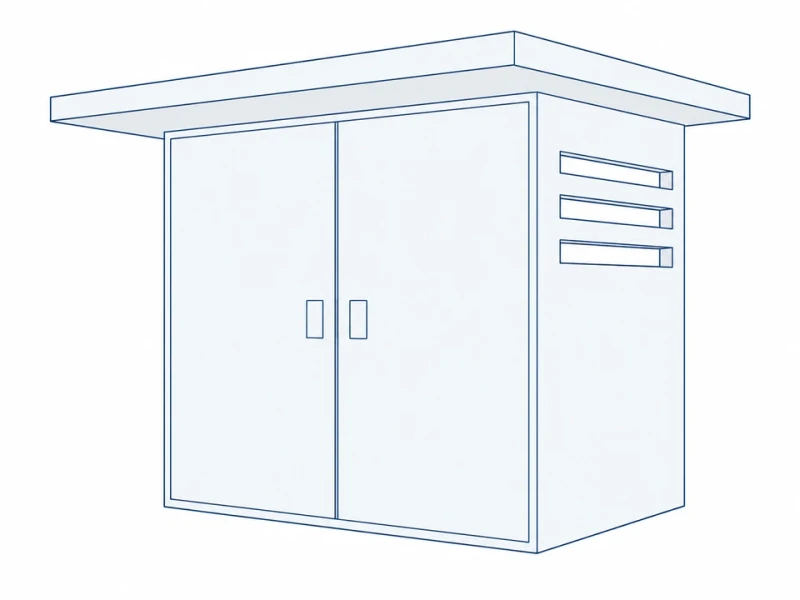
Projecting shade canopy
An extended roof shades the equipment faces you specify without closing off the required air clearance.
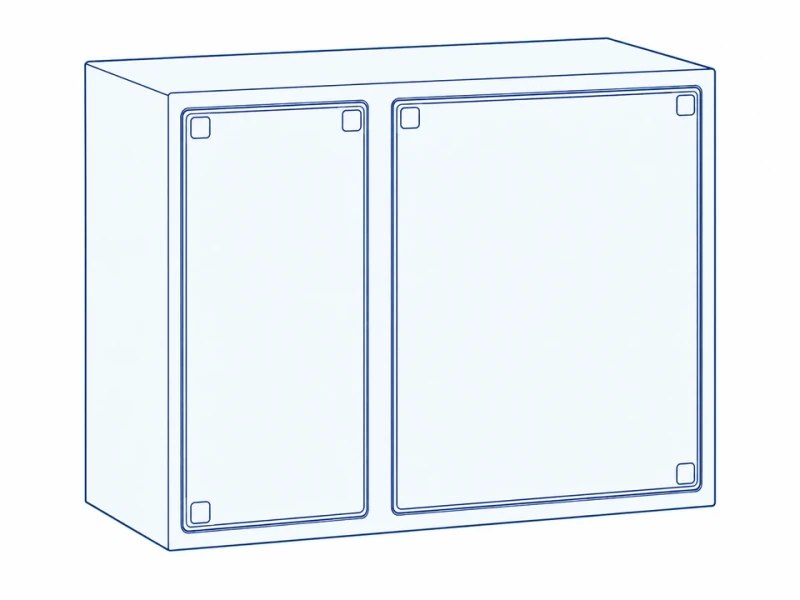
Removable front panels
Separate panels come off individually, so technicians can reach the inverter without removing the whole shell.
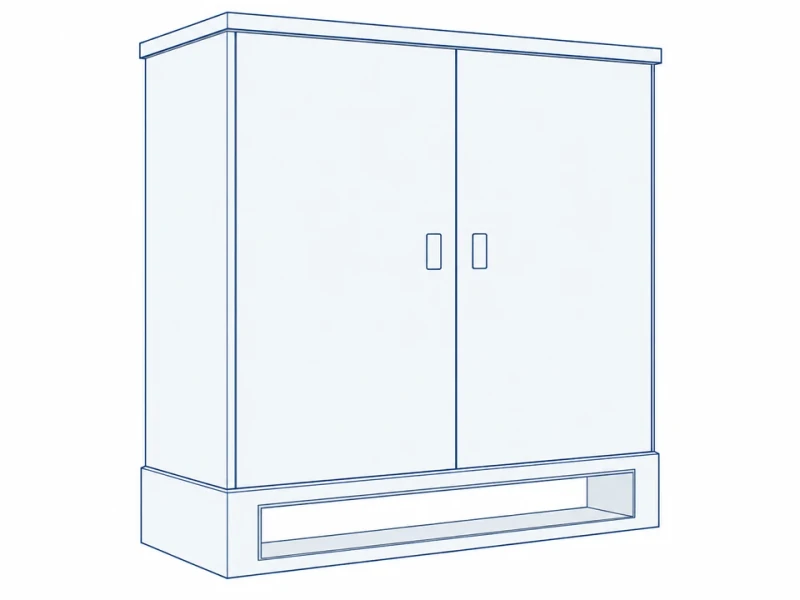
Raised cable-entry base
A raised base provides room for cable bends, with mounting holes positioned for the installation.
Inverter enclosure manufacturing
Canopy and panel molding
Shade roofs, casing panels and cable base sections are molded to your equipment dimensions, with reinforced mounting areas.
Air and cable preparation
Vent openings, cable entries and removable panel joints are cut to the inverter manufacturer's layout.
Finished casing edges
Entry edges are sealed and base contacts finished, with exterior color matched to the project's finish specification.
Inverter bay and cooling openings
Bay gap, base height and opening
G is the local left-side gap between the larger service-bay rectangle and the smaller inverter envelope. H is the base's outside height, not its usable cable space, and W is the service opening width. The inverter manufacturer's installation layout determines the full cooling and maintenance clearances and space for cable bends.
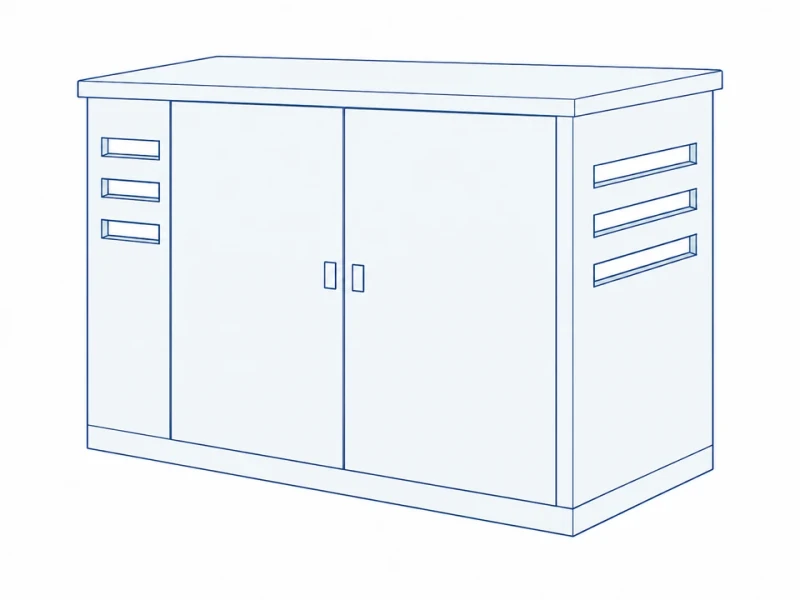
Paired doors and side vents
Door sizes, roof overhang and the front and side vent positions follow the inverter manufacturer's layout.