Fiberglass Wave Facade Panels
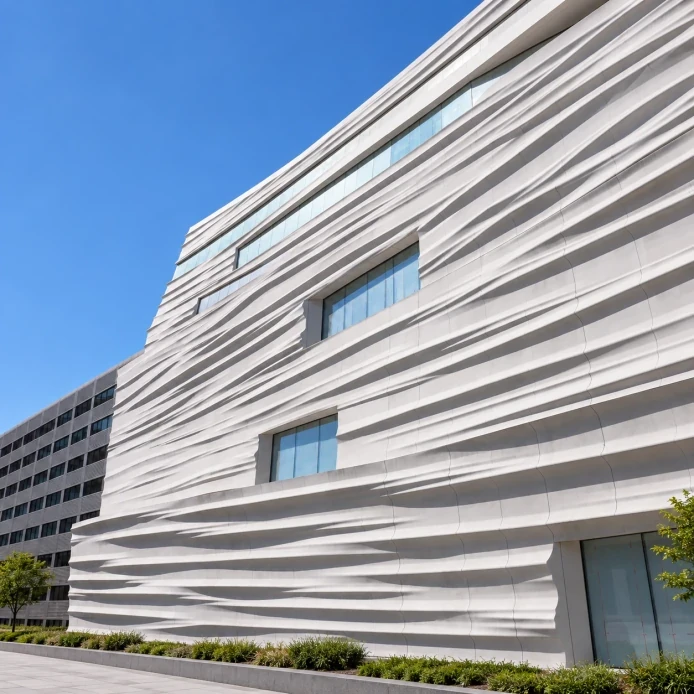
We mold fiberglass wave panels from your facade surface model. Relief can repeat or change across the wall, and panel edges are shaped so the wave continues across joints, around corners and into flat wall areas. Supports, drainage and fire performance remain part of the project facade design.
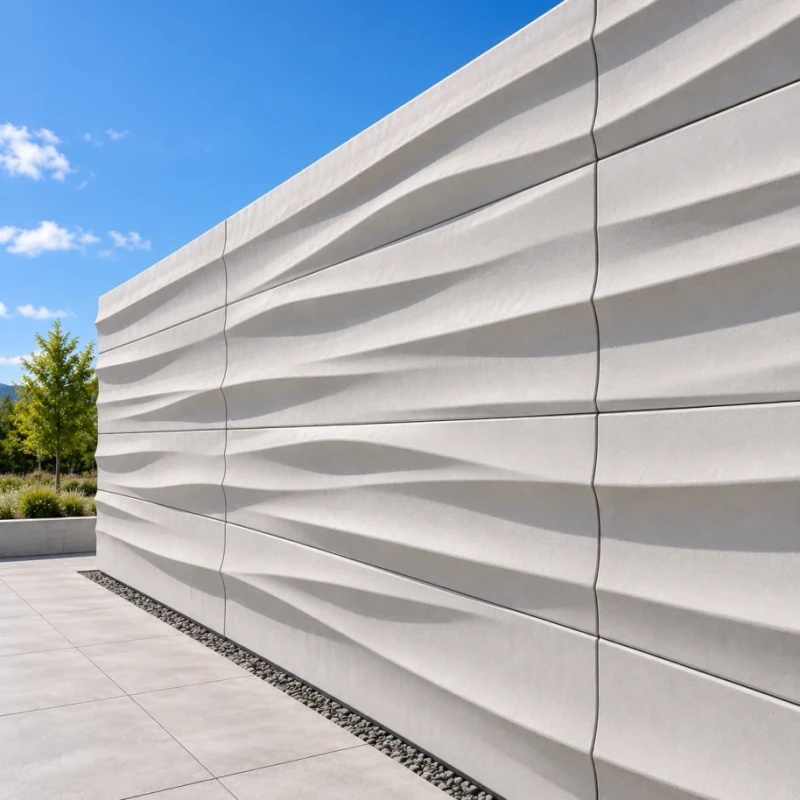
Molded fiberglass facade panels with shallow wave relief and aligned panel joints.
Image credit: Henrik Kam, courtesy SFMOMA — Kreysler & Associates ·
Choose your wave composition
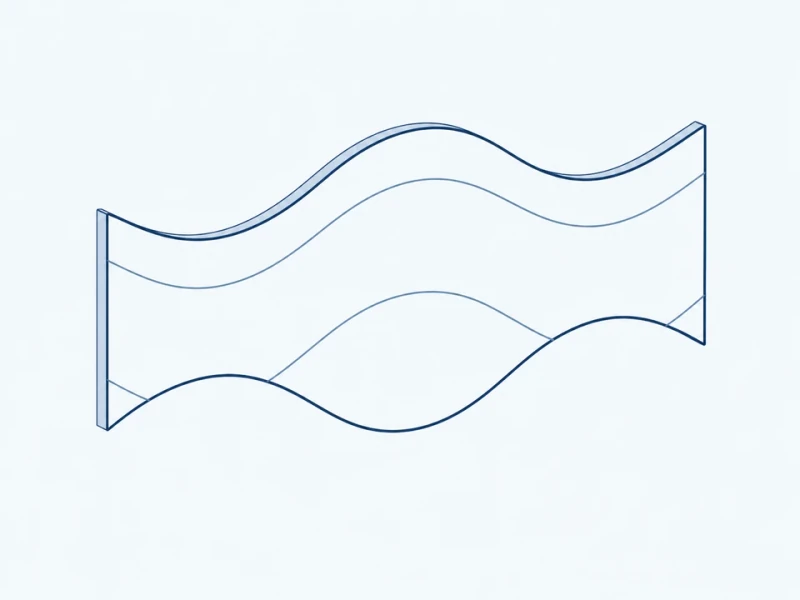
Horizontal flowing bands
Horizontal peaks and troughs run across neighboring panels, with joint gaps placed between the bands.
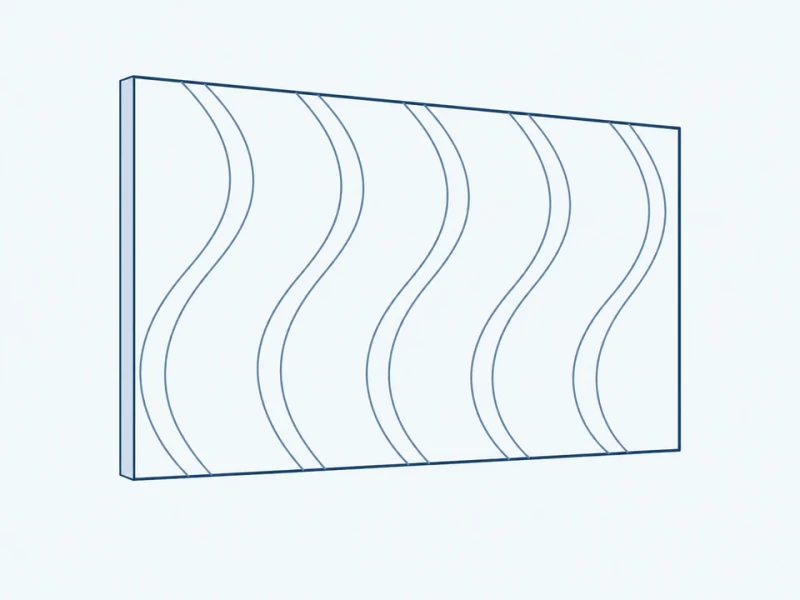
Vertical wave rhythm
Vertical waves run up the facade, with floor joints and top and bottom ends planned in the layout.
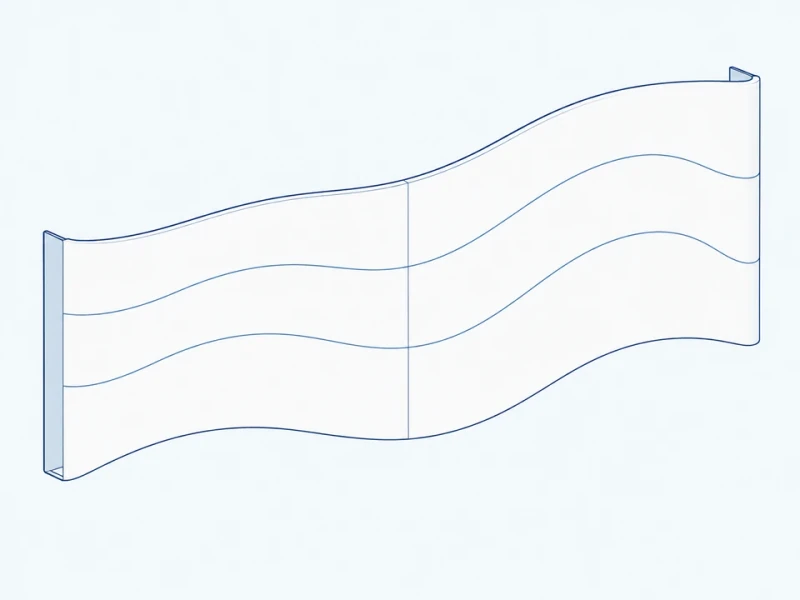
Variable sculpted surface
Wave depth or spacing changes along the wall, so each panel follows its own position in your model.
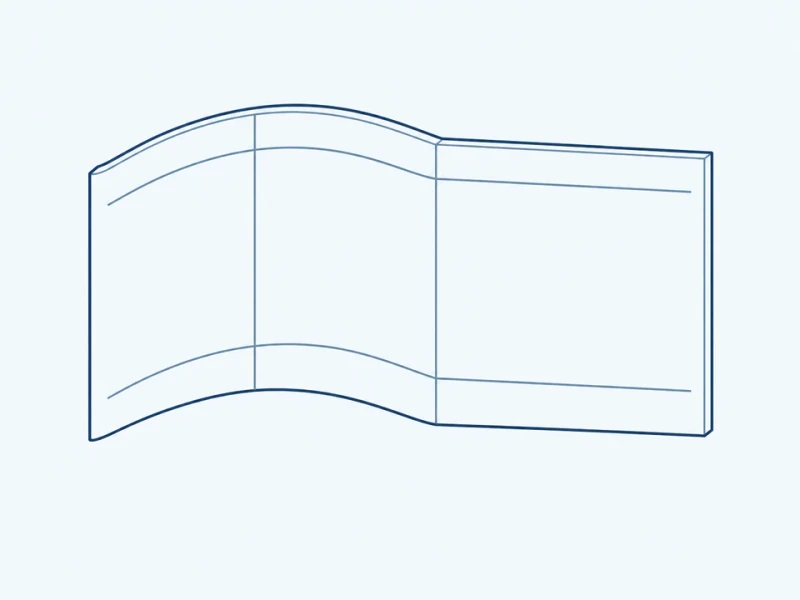
Wave-to-flat boundary
Wave relief fades into a flat border or stops at a plain edge around corners and openings.
Customize the wave surface
Repeated and unique wave molds
Molds follow the peaks and troughs in your model. Repeated shapes share a mold, and changing shapes get their own.
Corners and wave-to-flat edges
Corner pieces, opening returns and transitions are made where the wave pattern meets plain wall.
Surface appearance on shaped faces
Color, texture and gloss are matched across crests, troughs and visible edges, on repeated and one-off panels alike.
Wave relief and adjoining modules
Module size and wave amplitude
The elevation gives module width and height. In the profile section, wave amplitude is the distance from the reference plane to a crest.
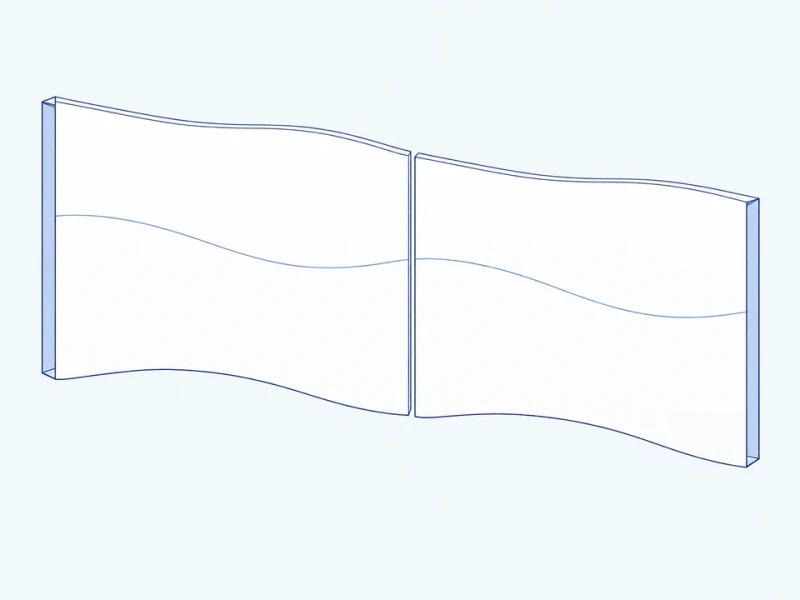
Flowing faces across a vertical seam
Adjoining panels have matching edge contours and returned ends, so the wave continues across the vertical joint.